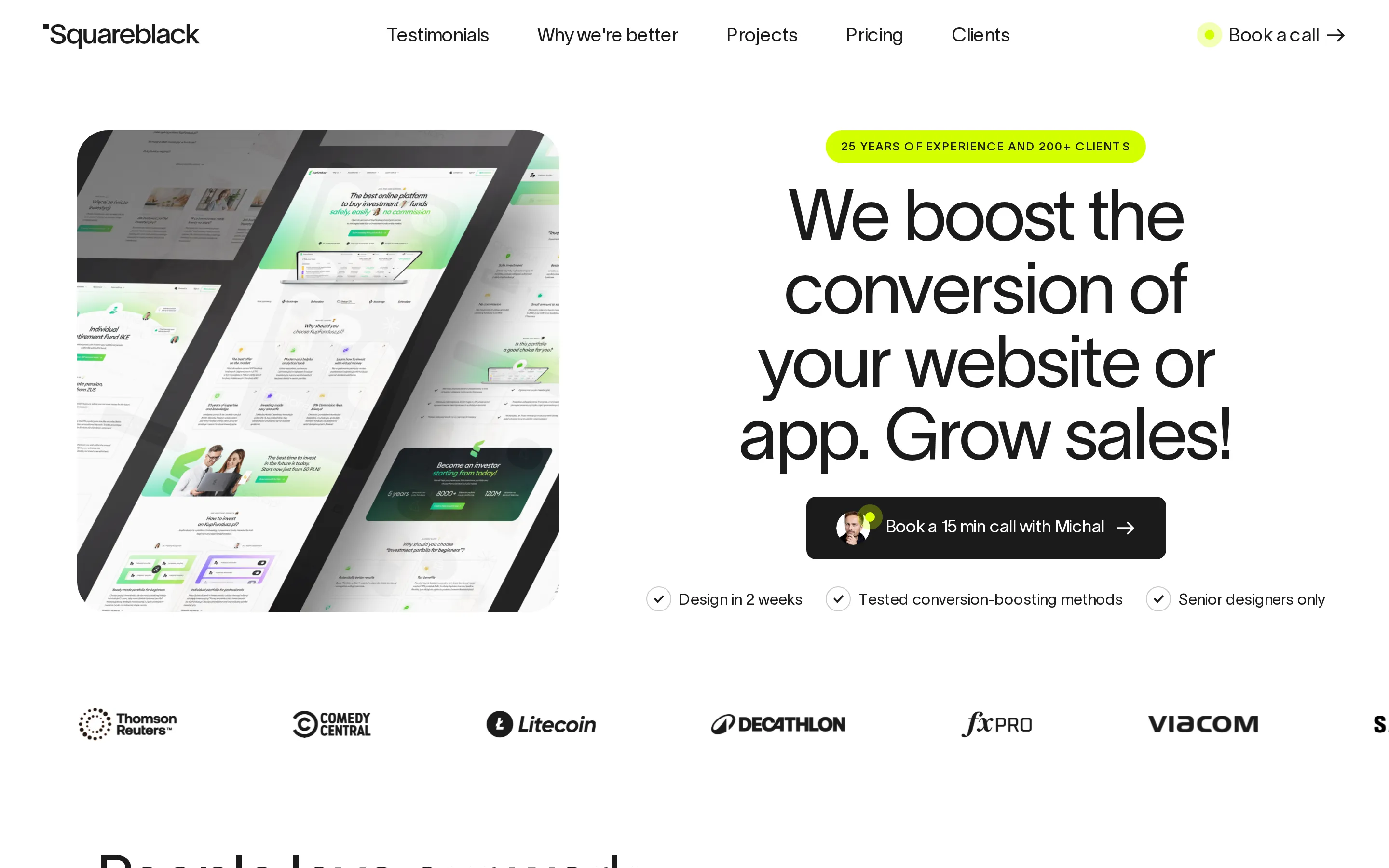
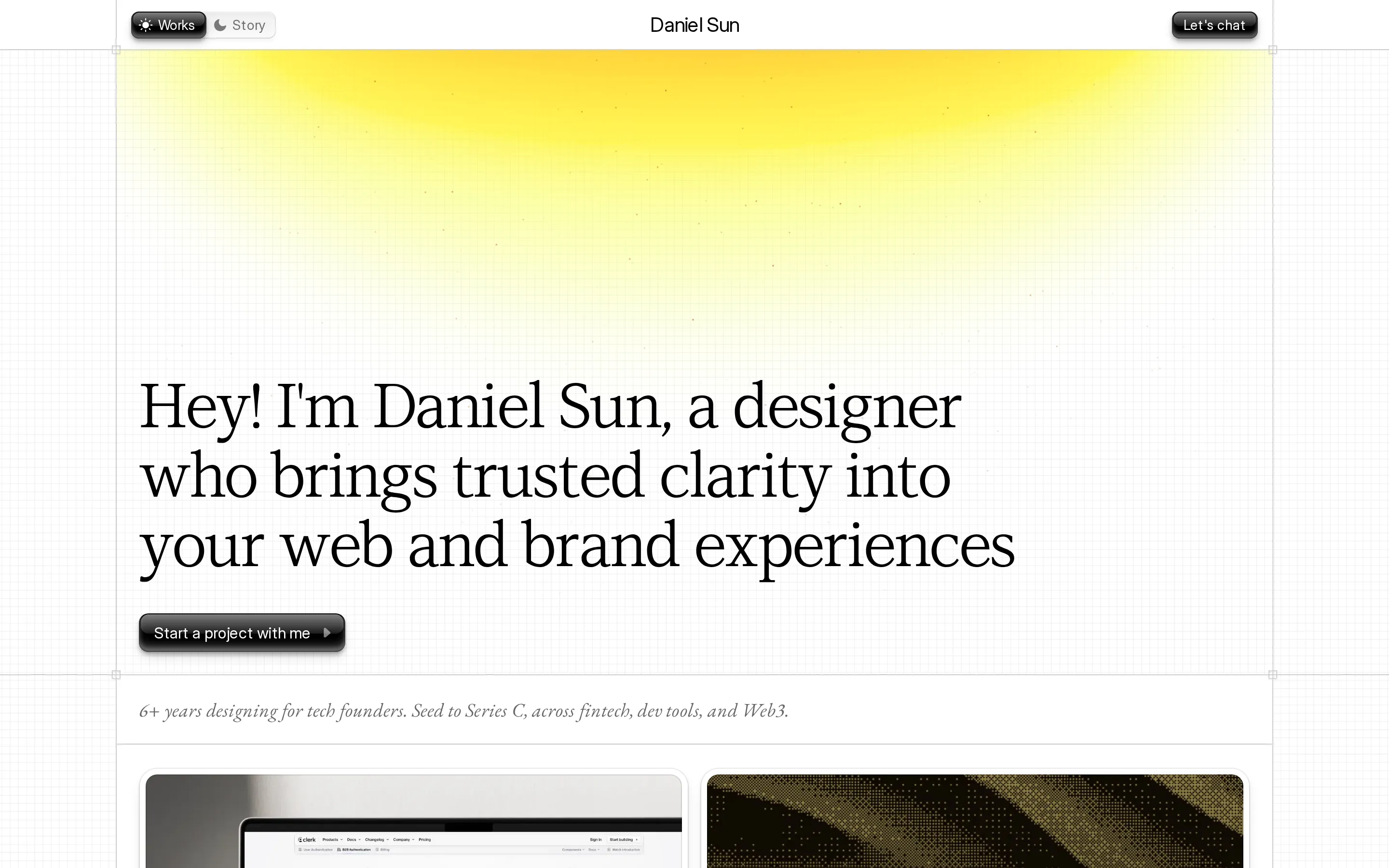
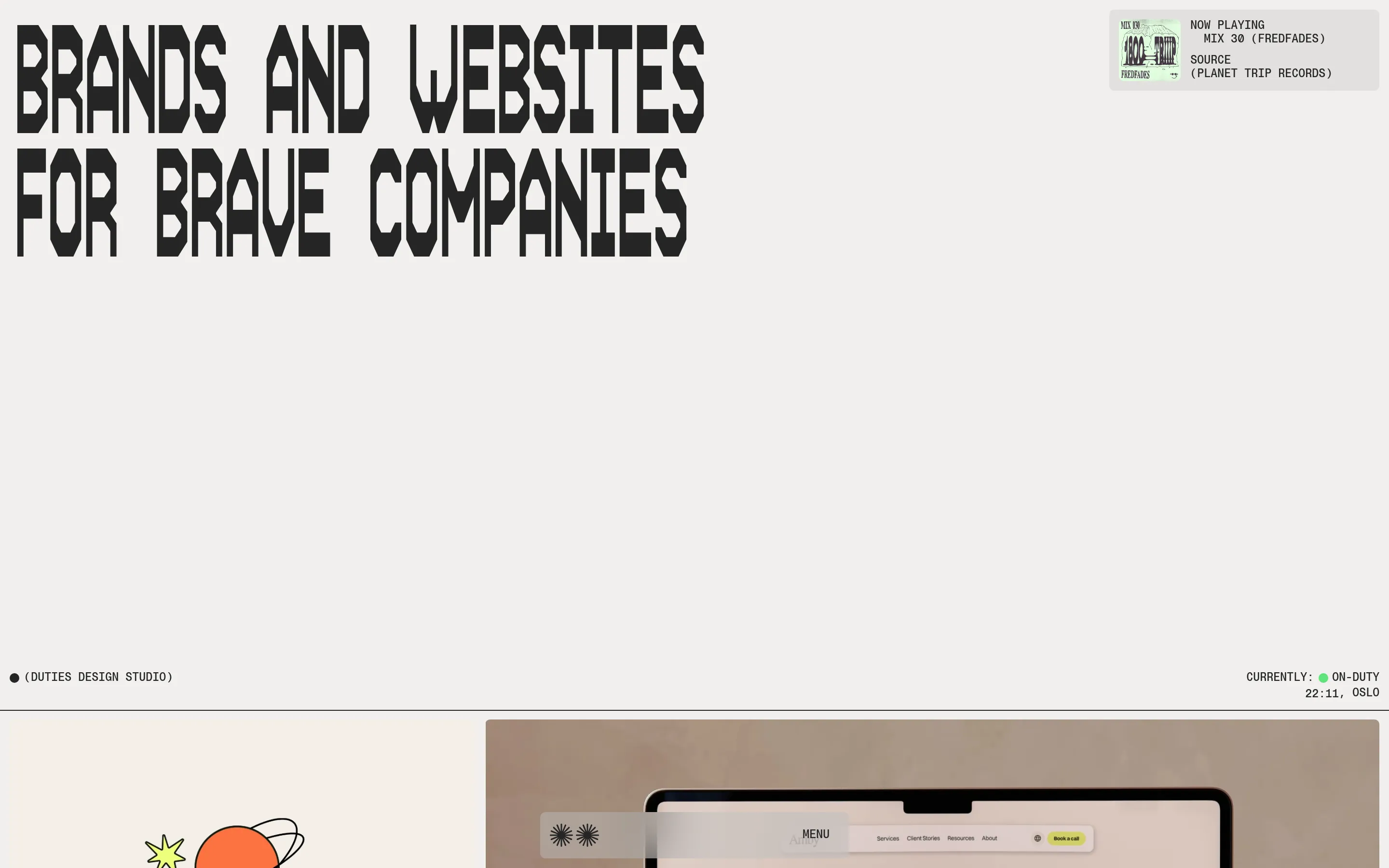
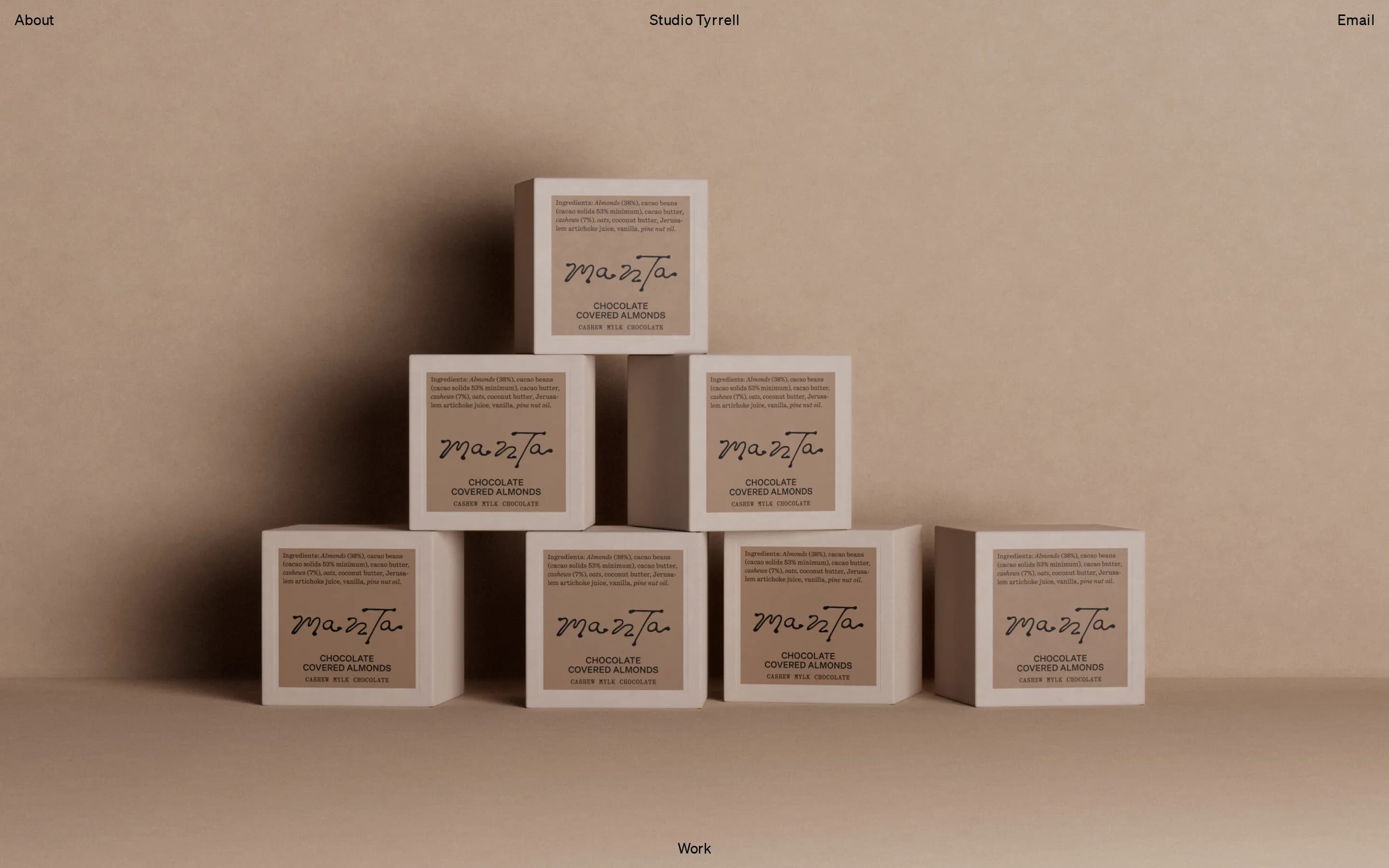
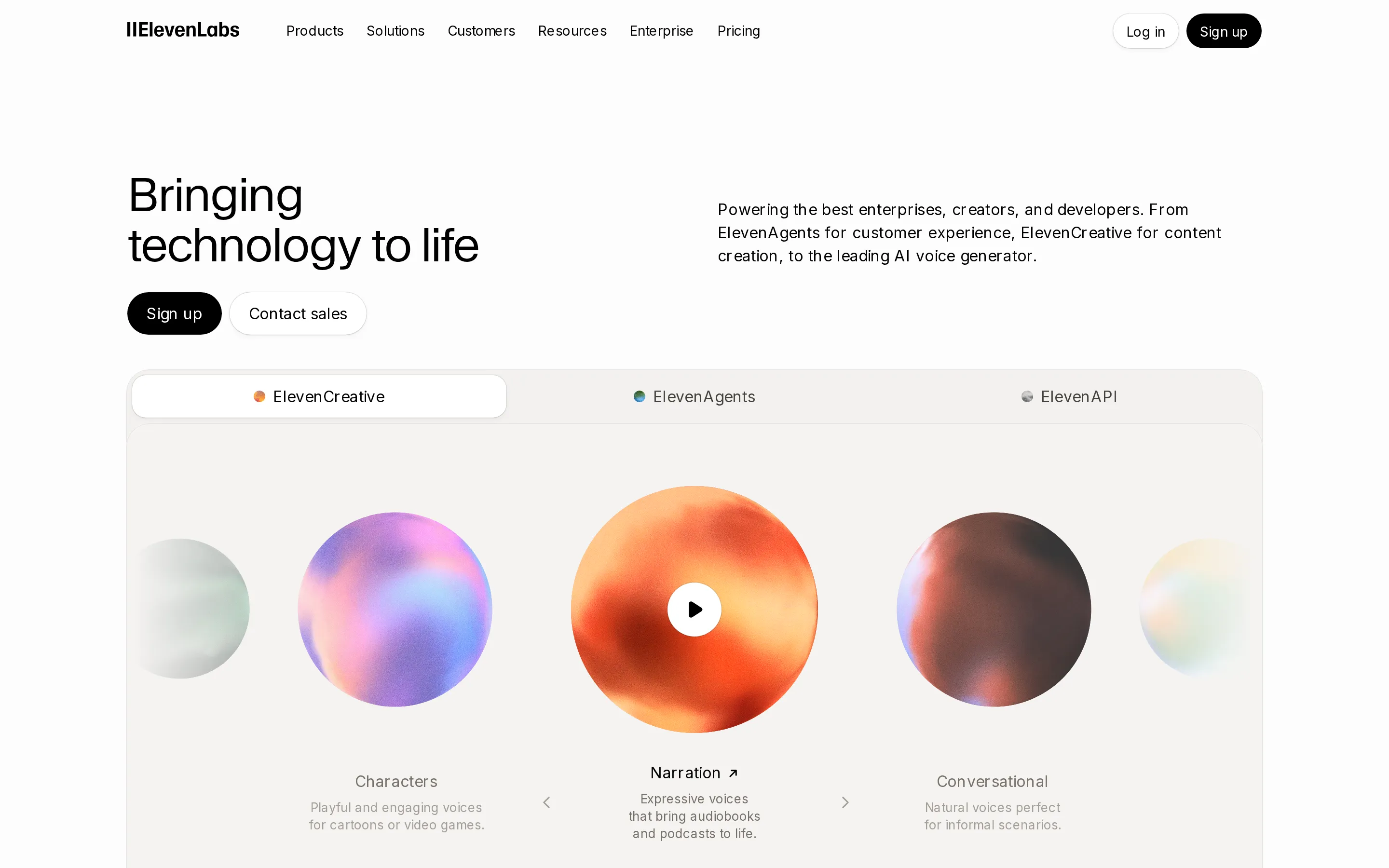
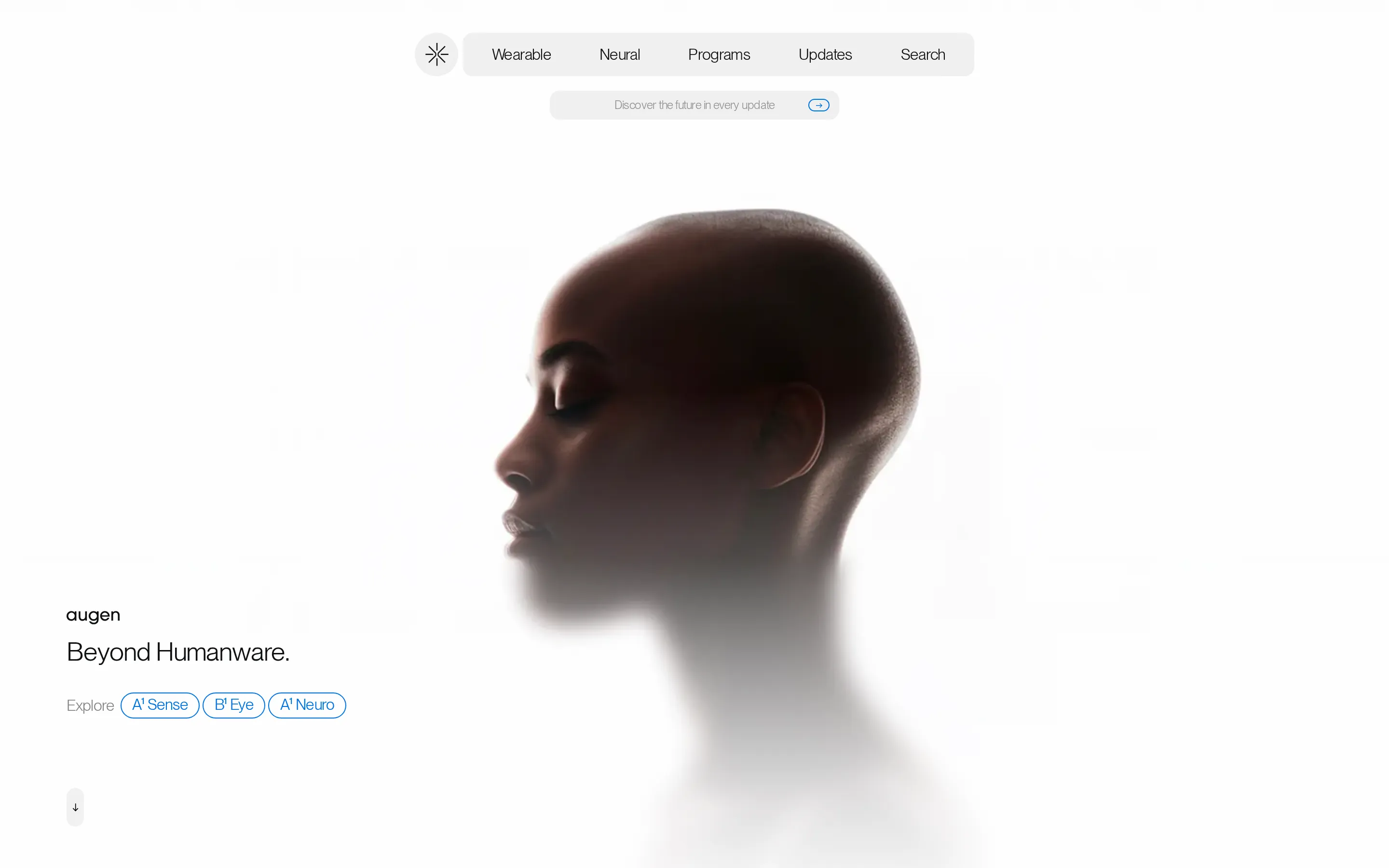
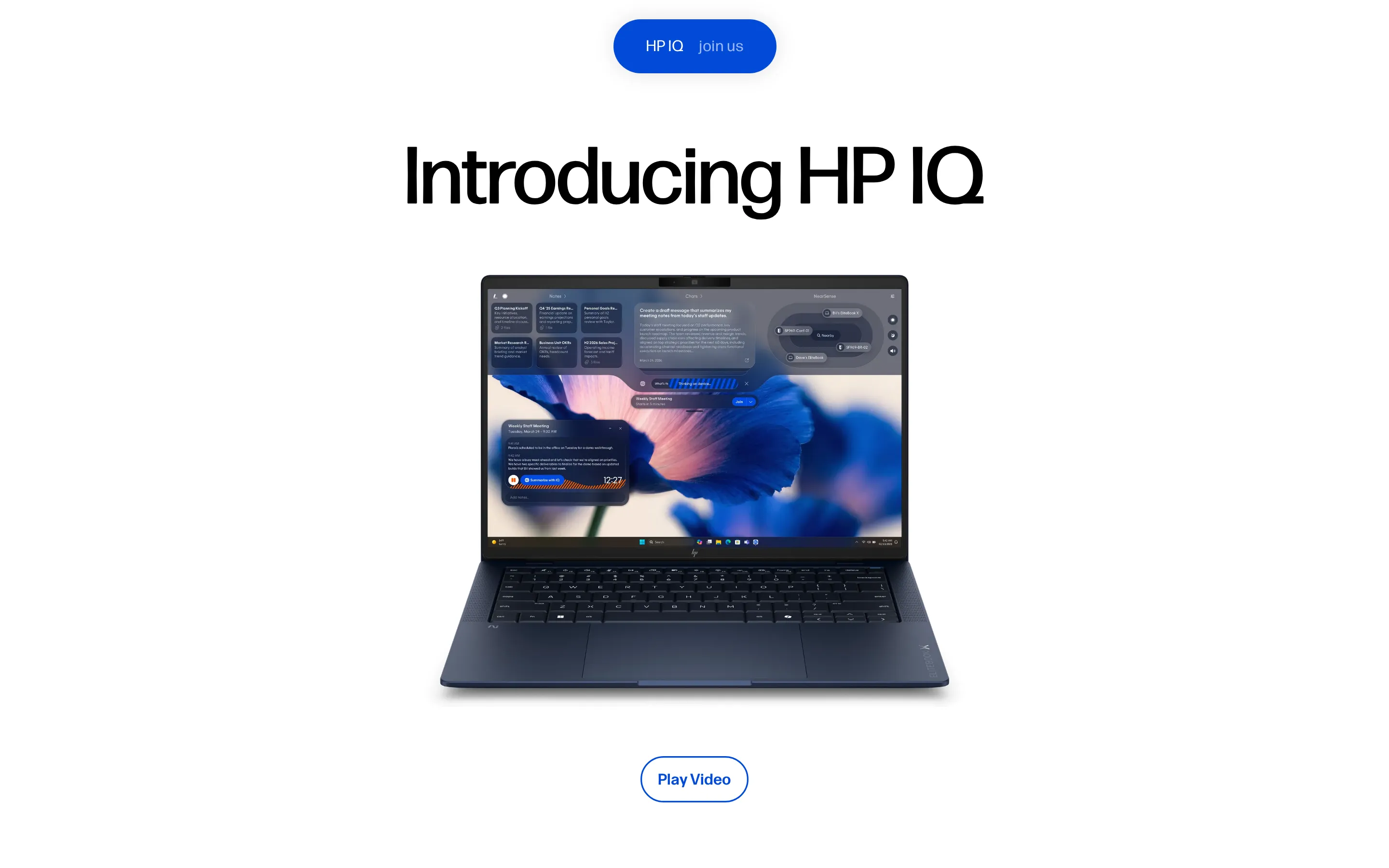
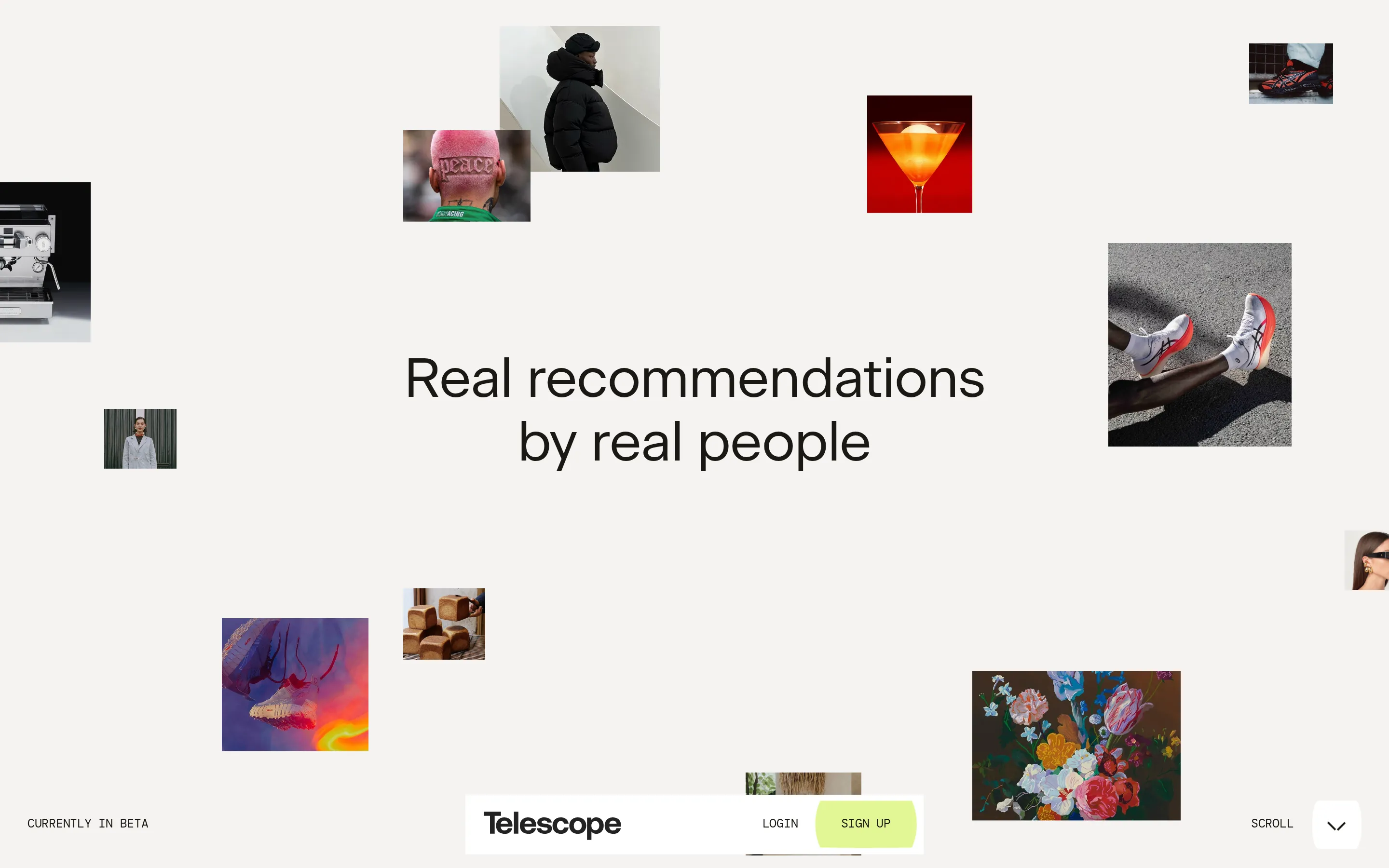
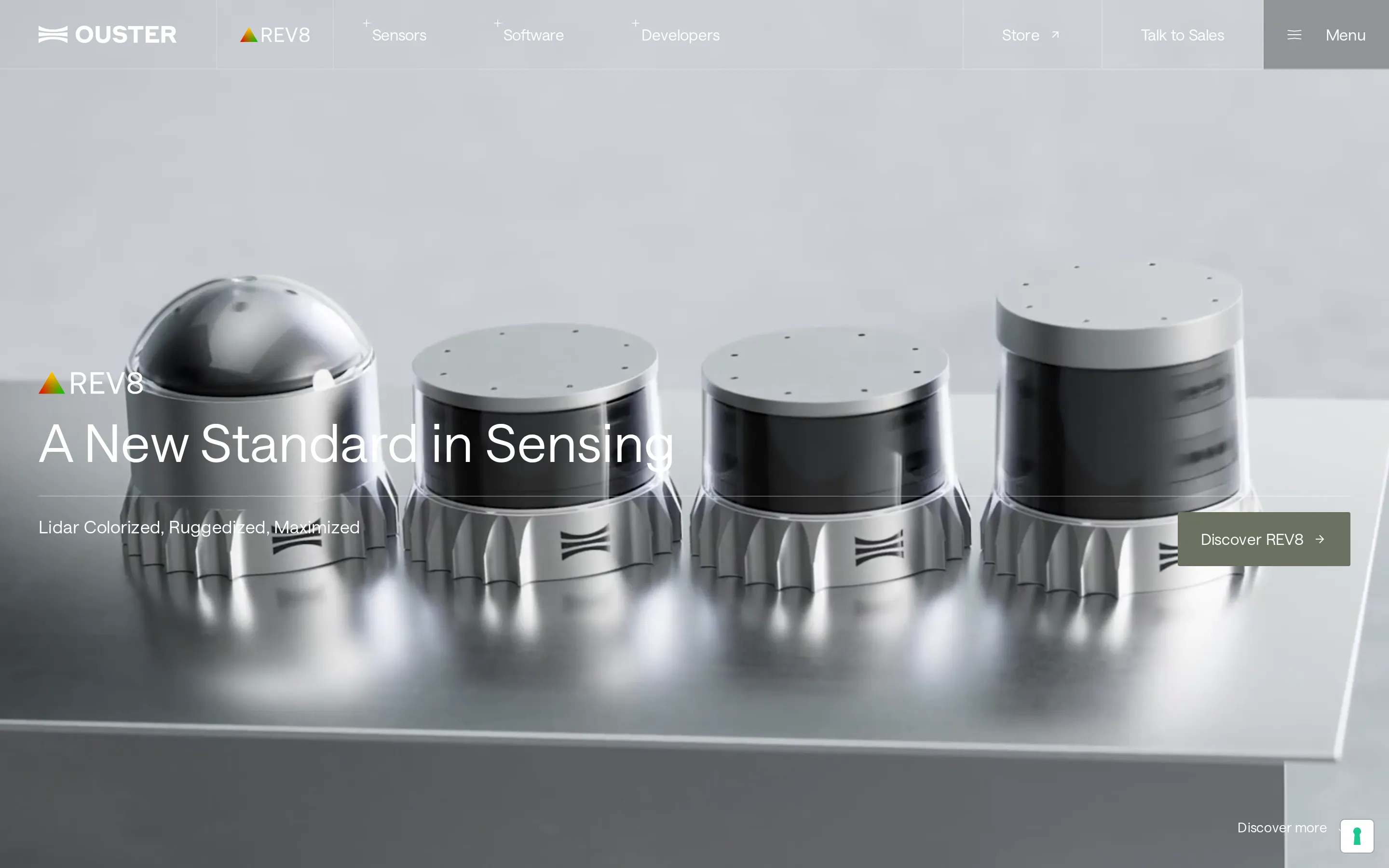
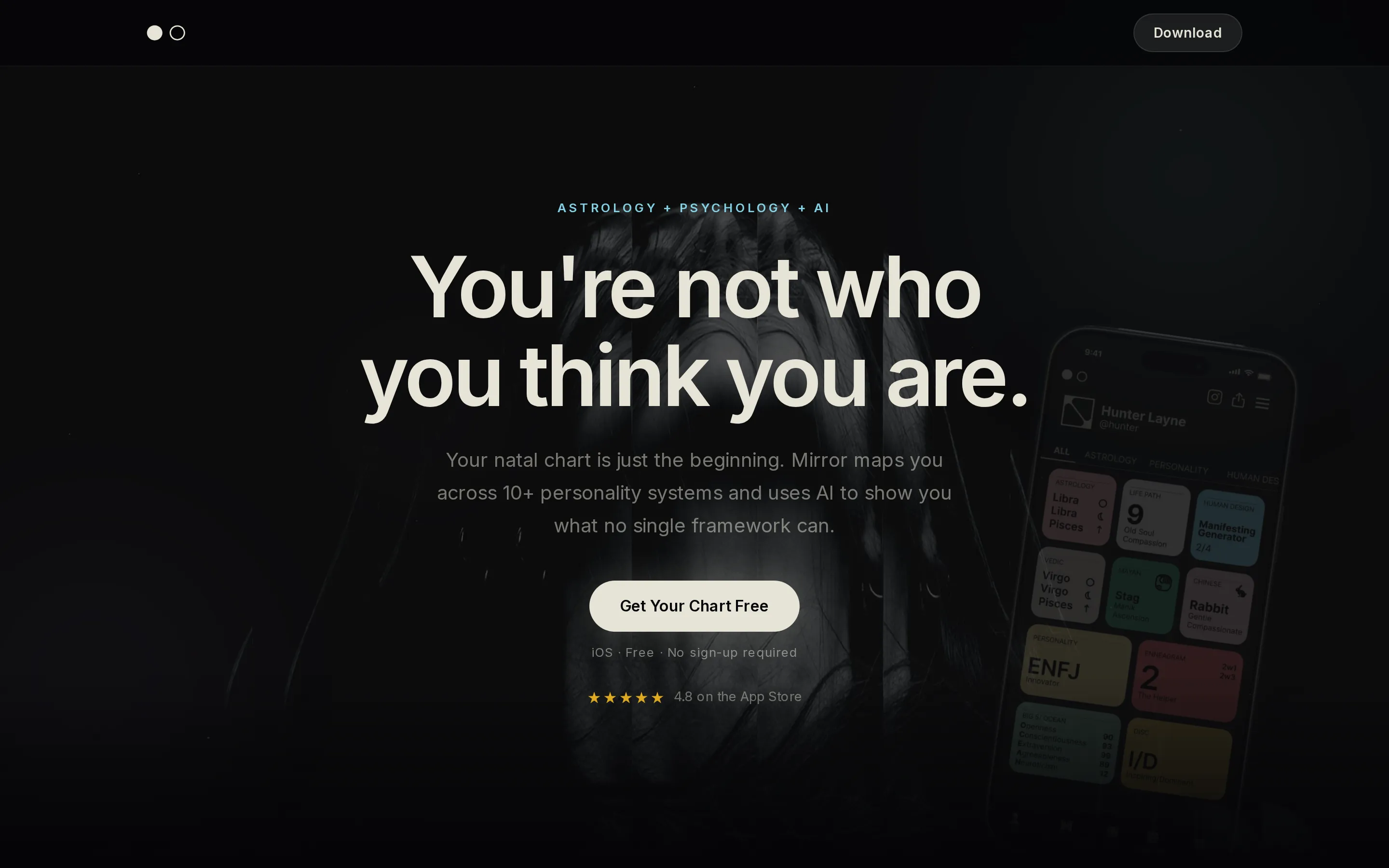
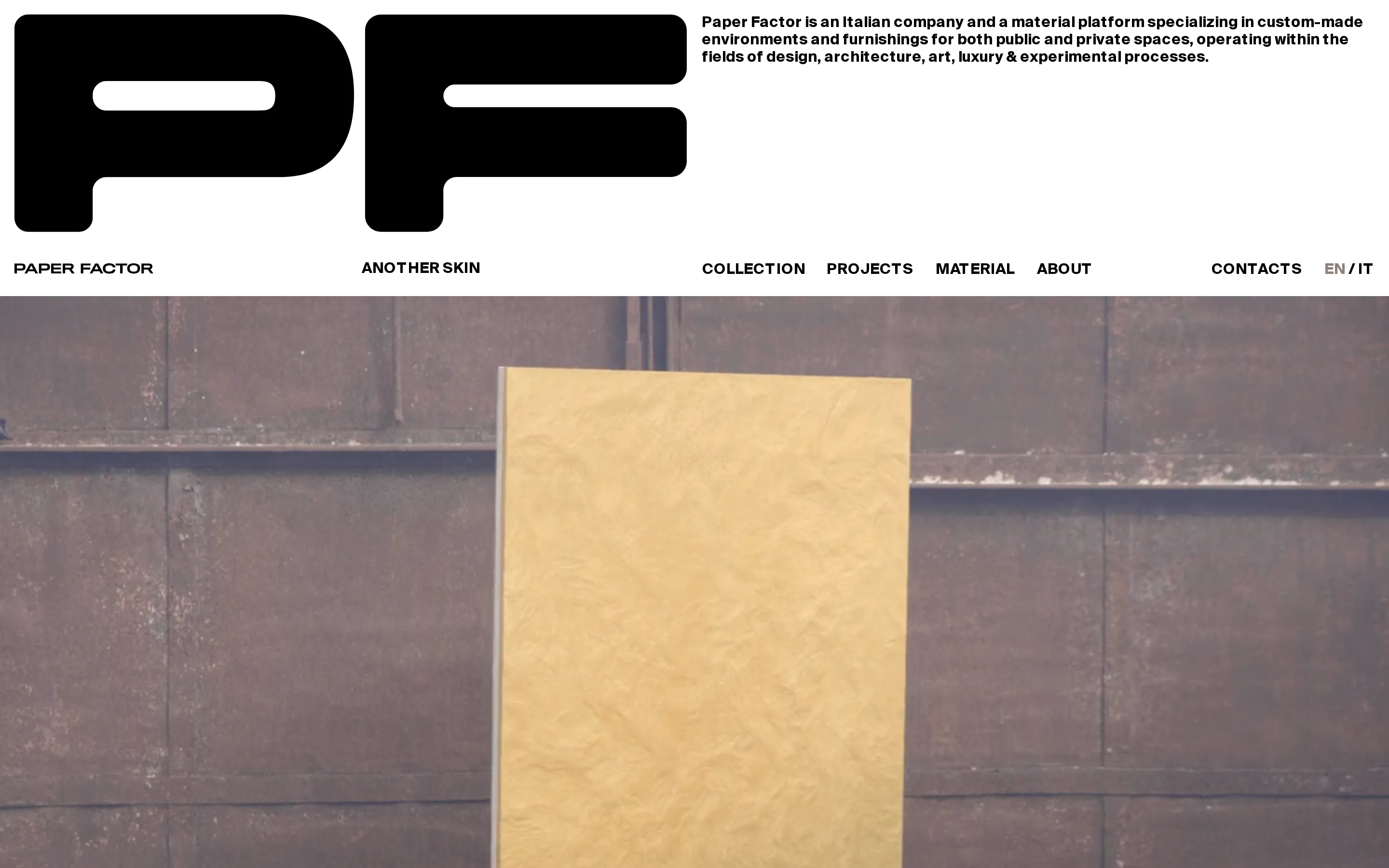
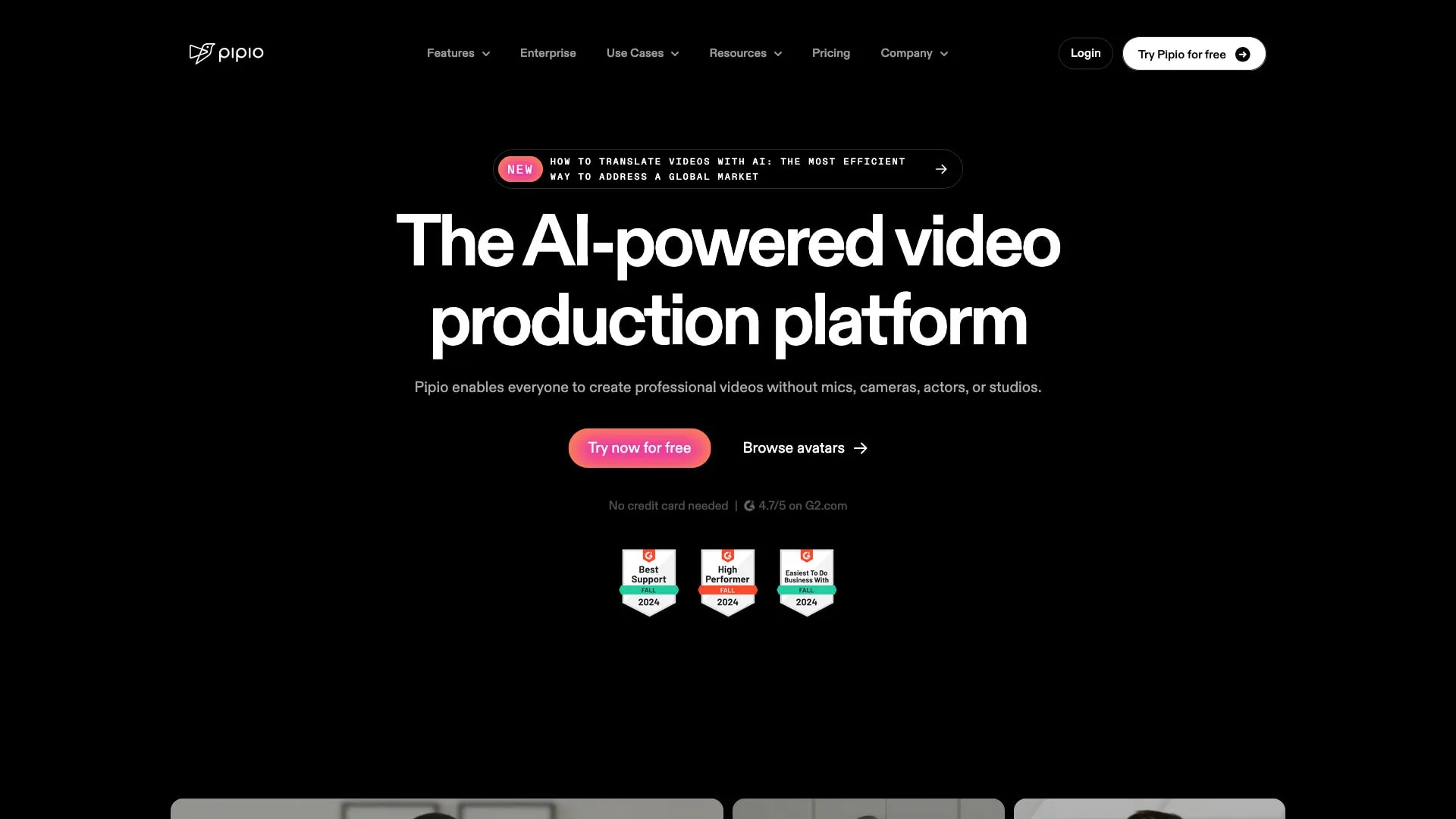
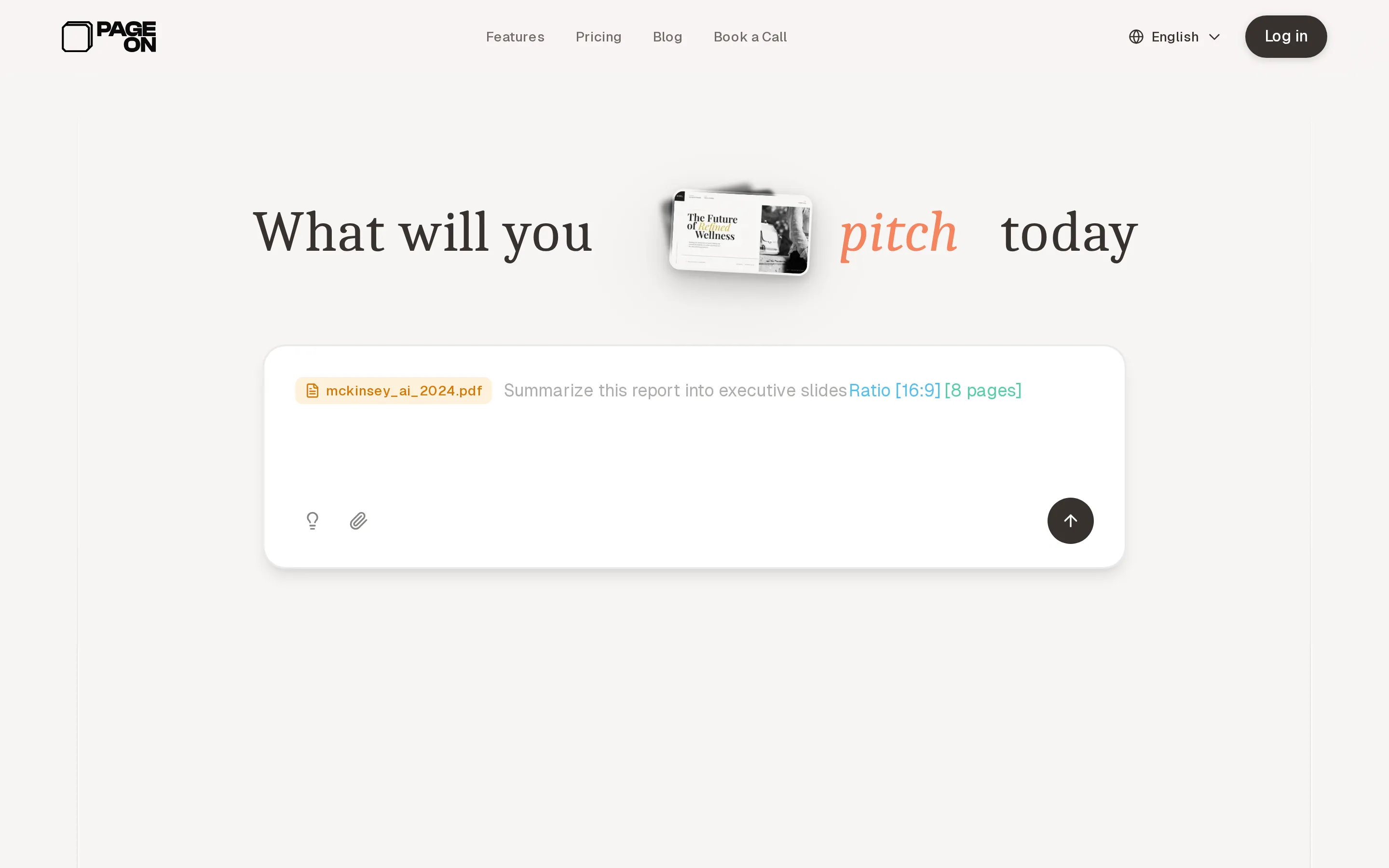
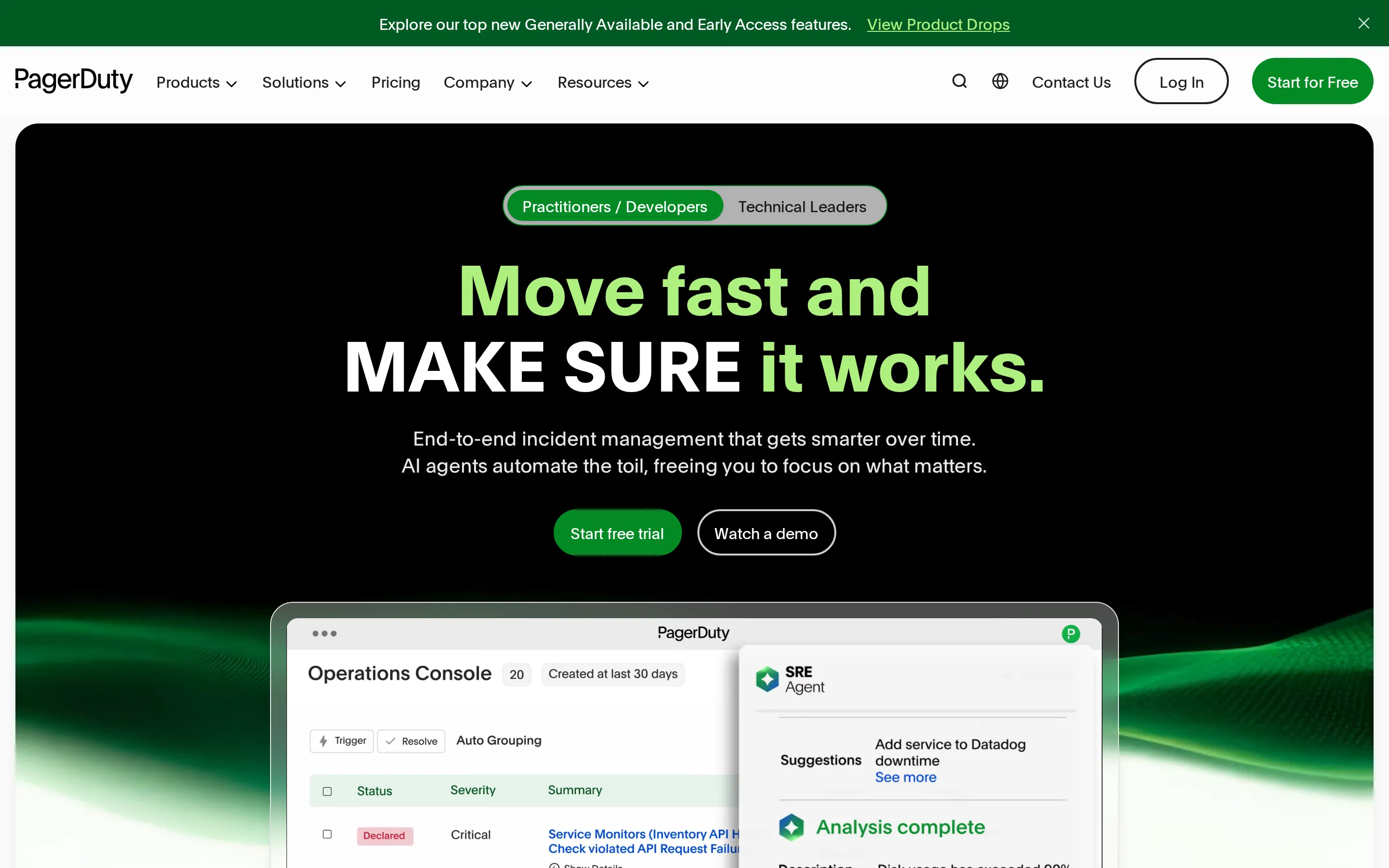
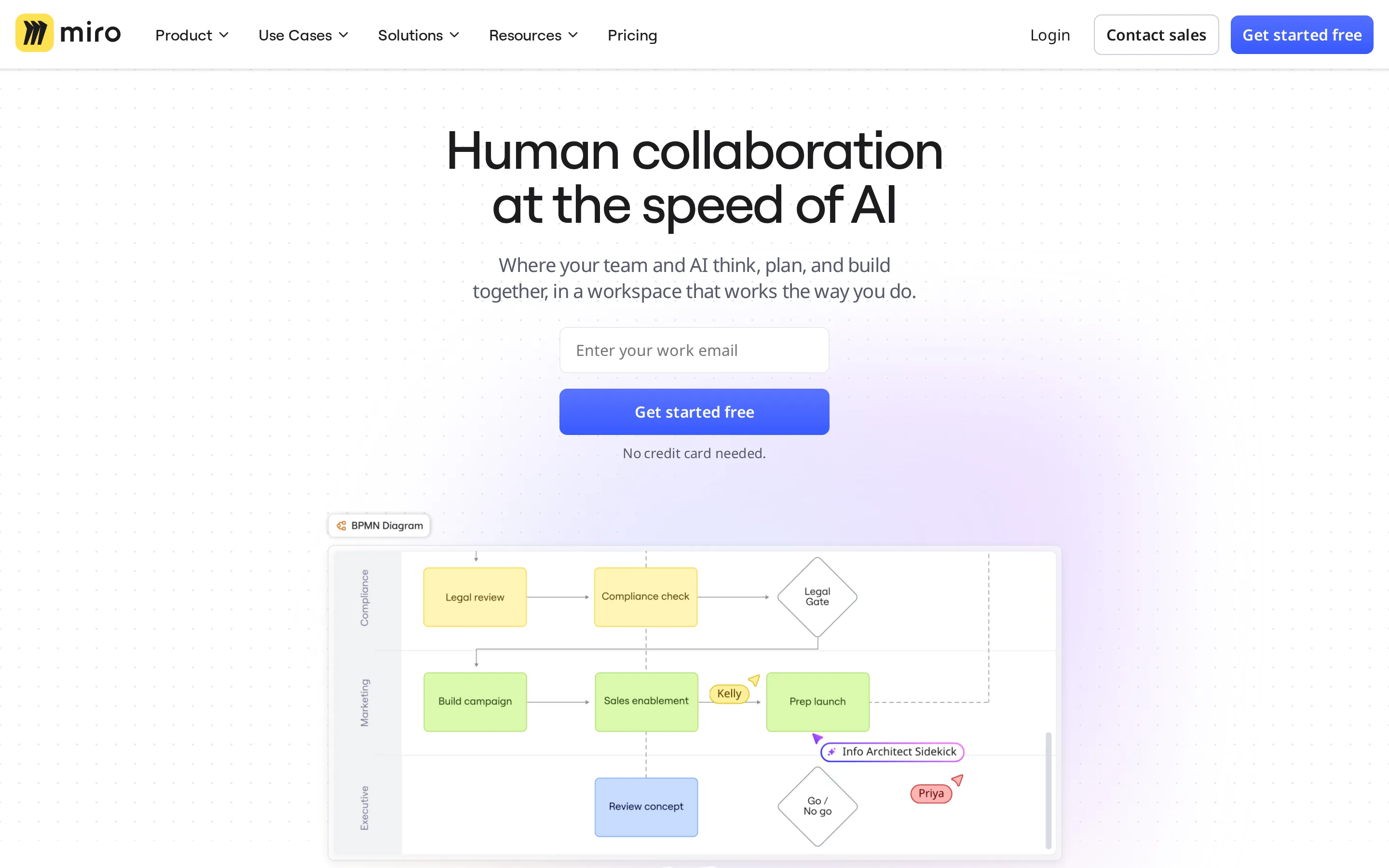
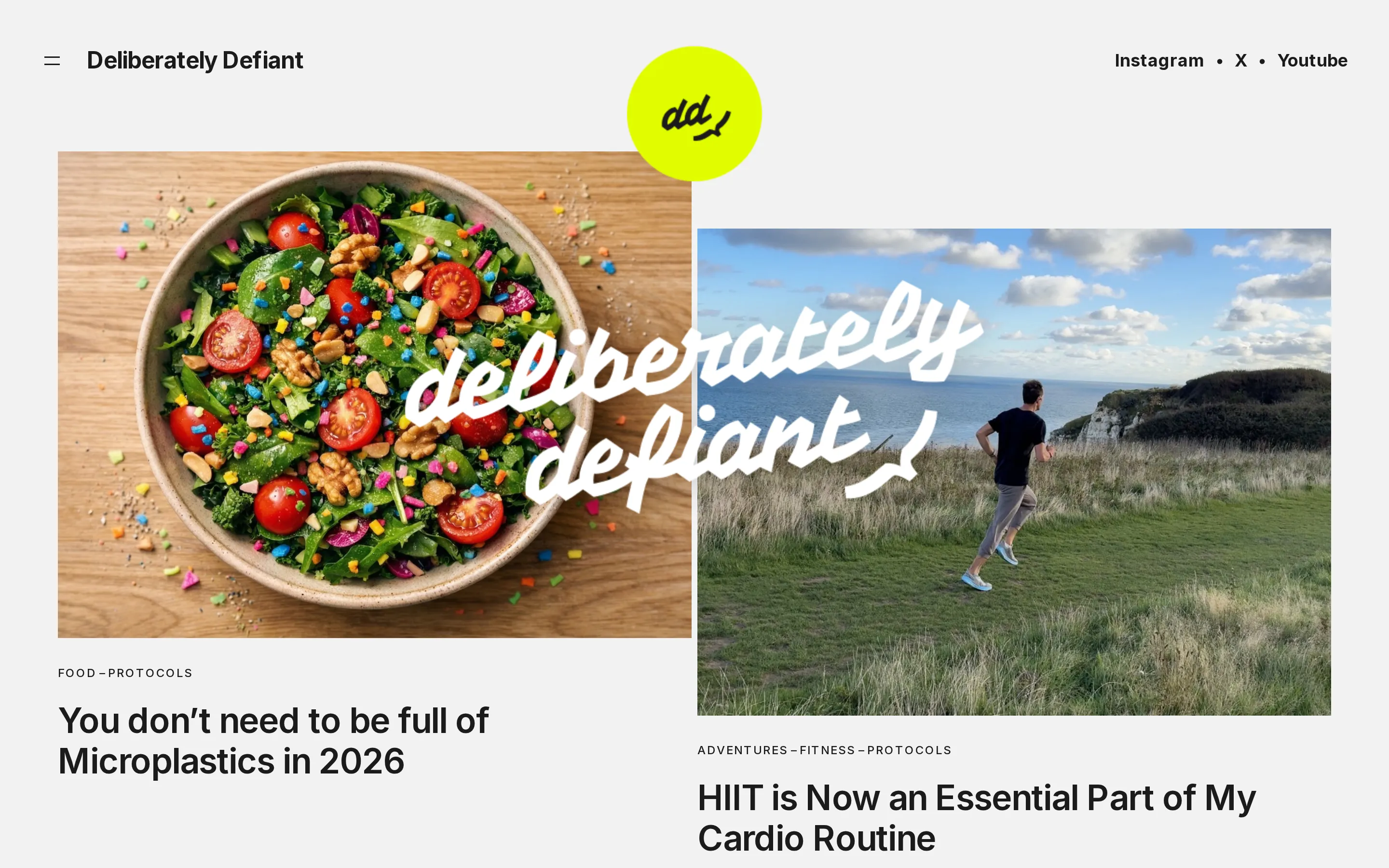
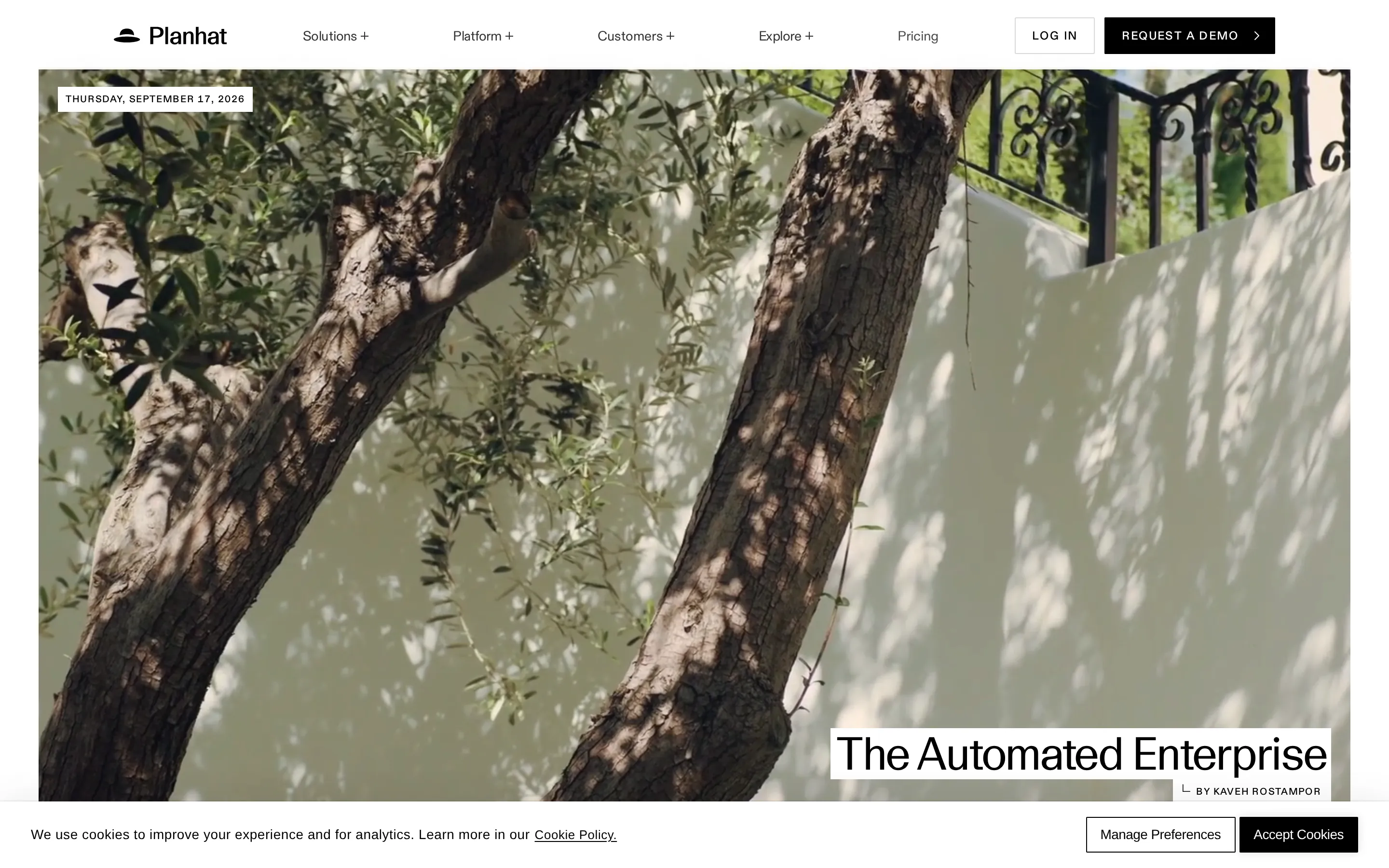
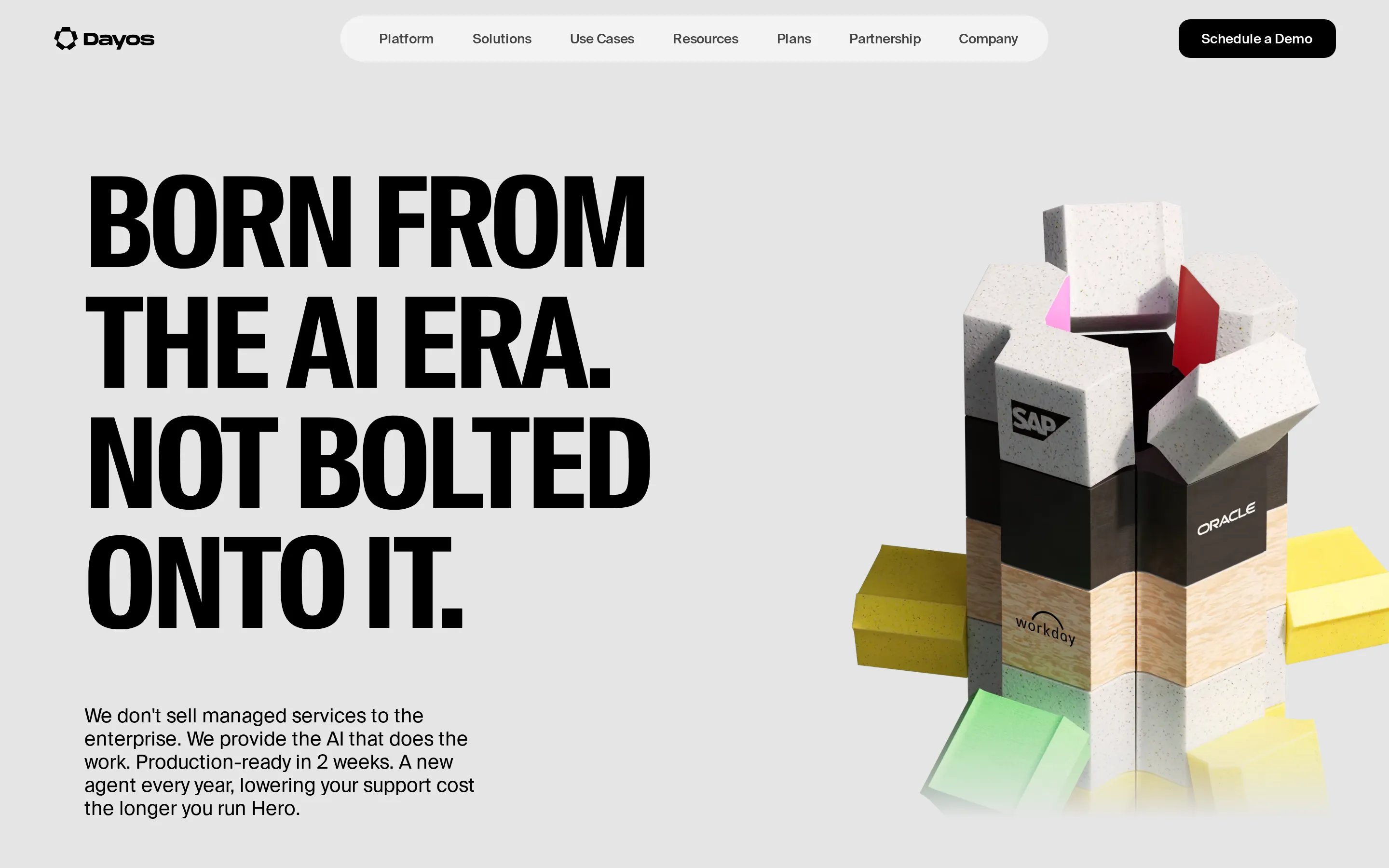
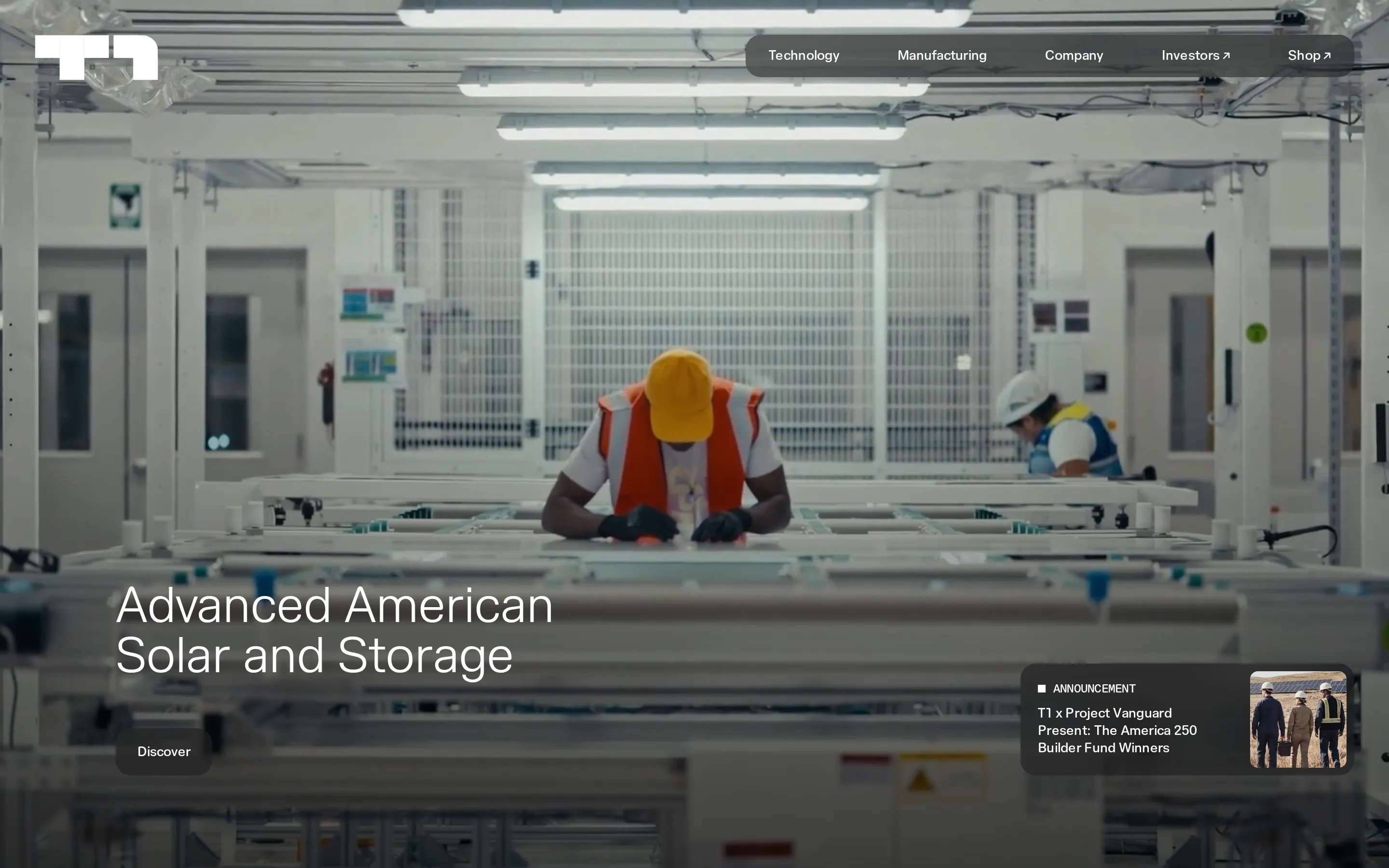
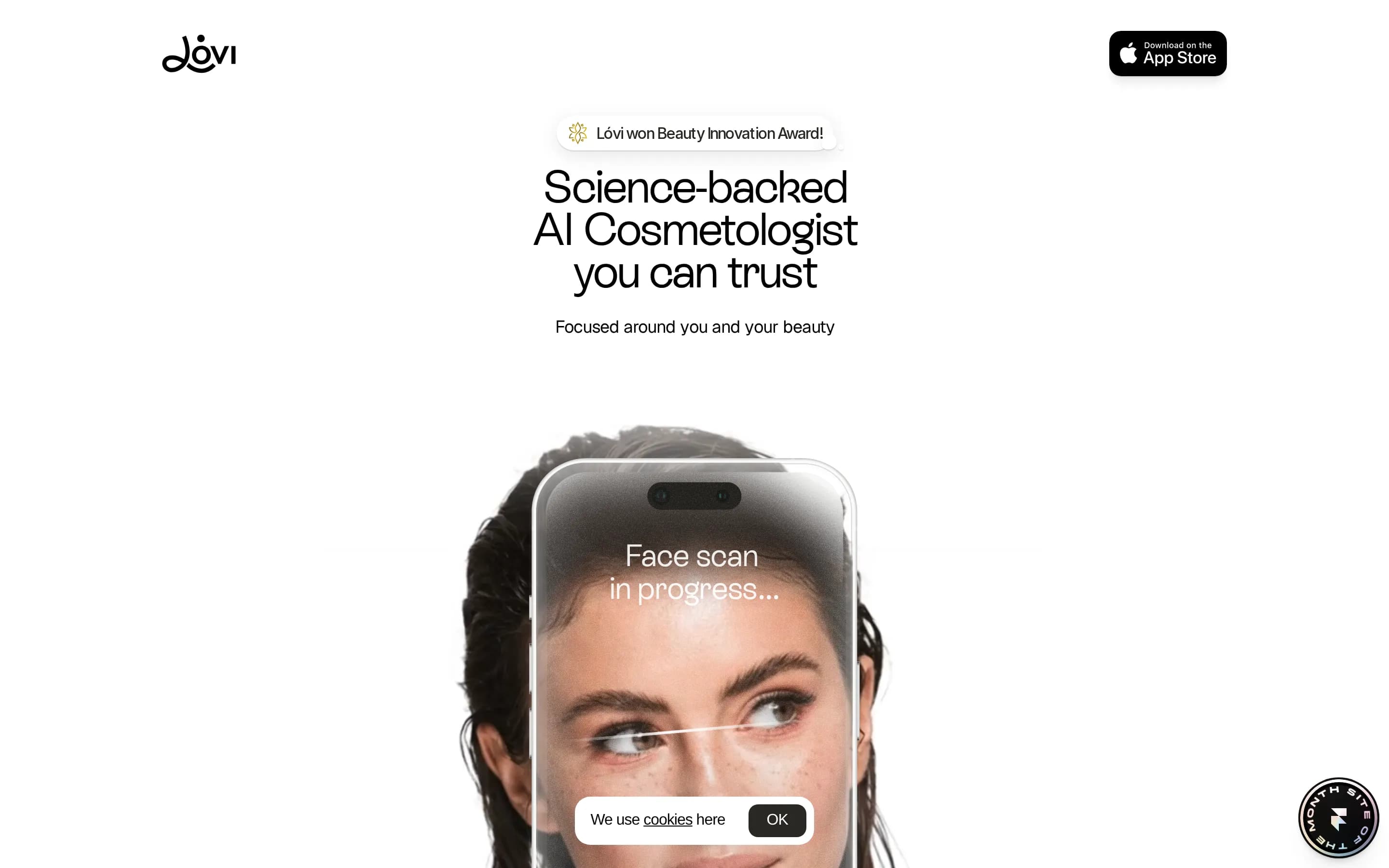
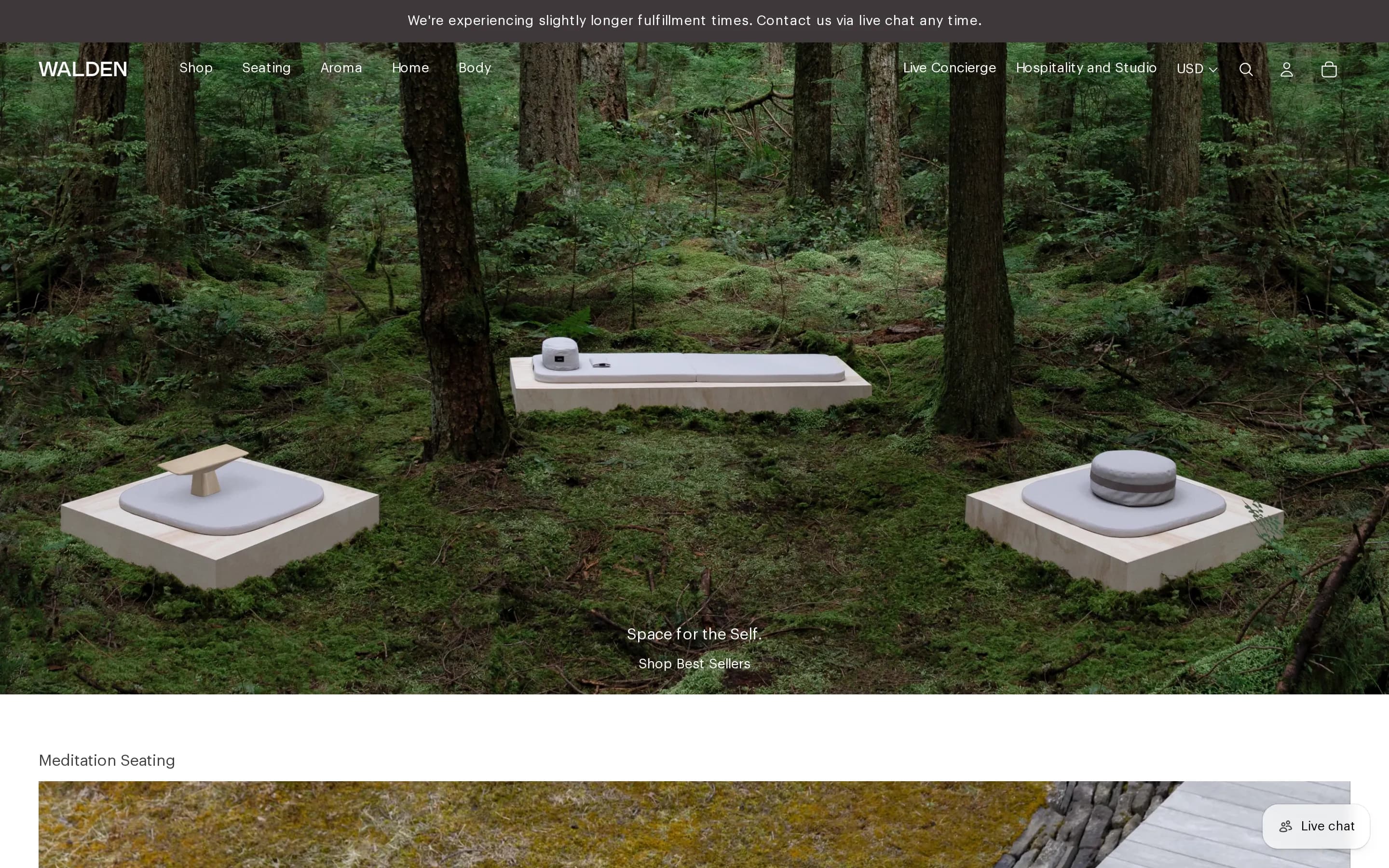
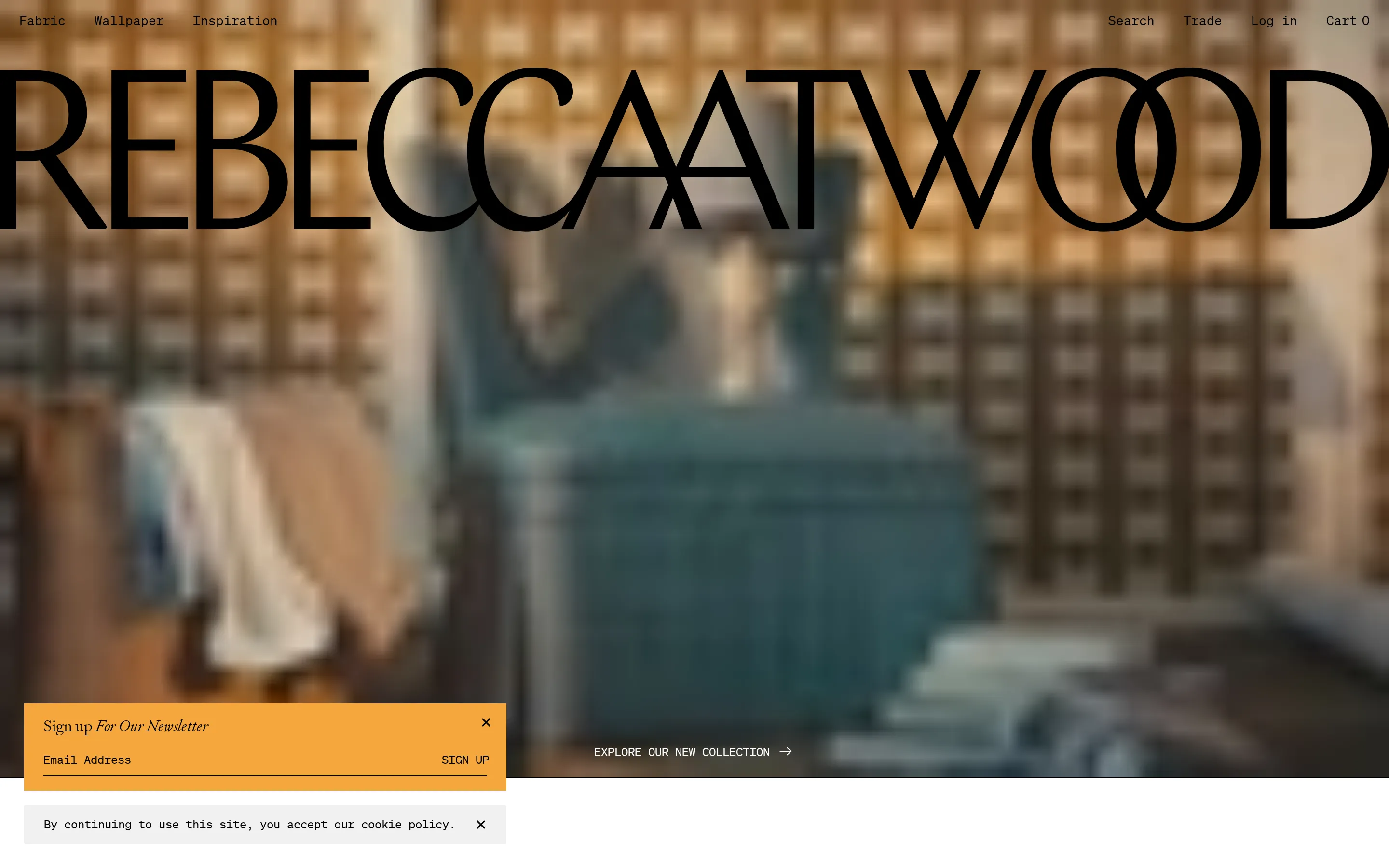
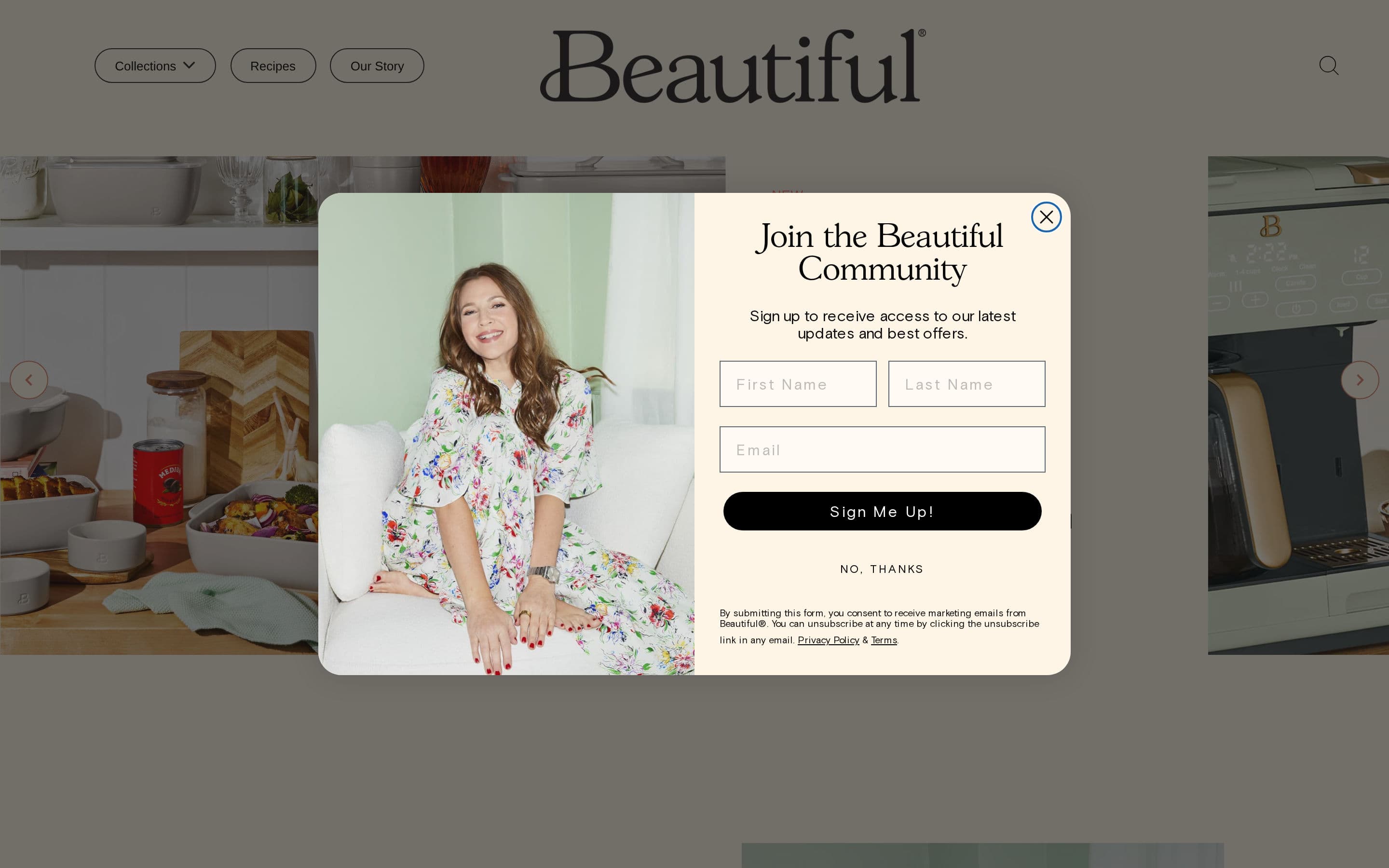
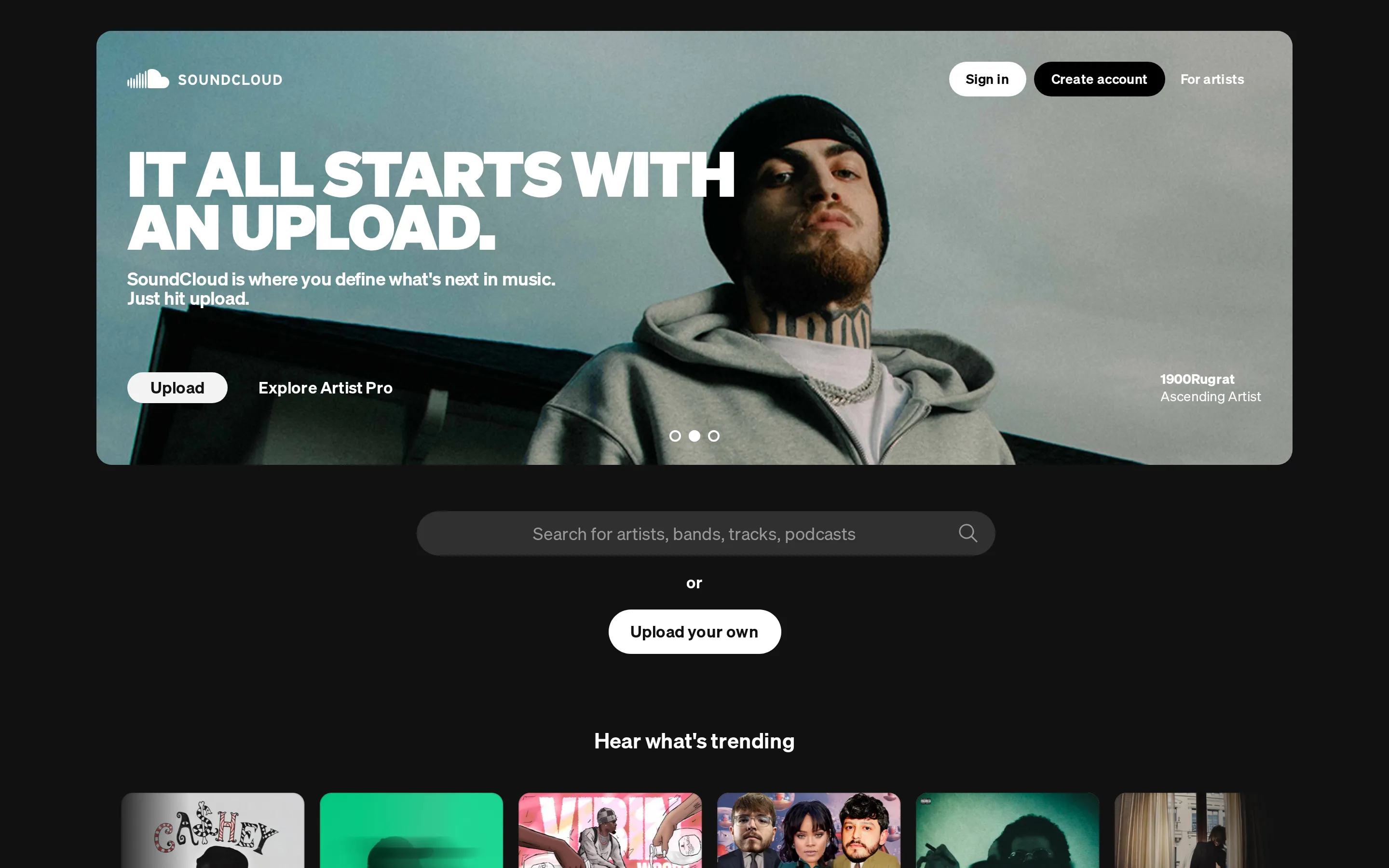
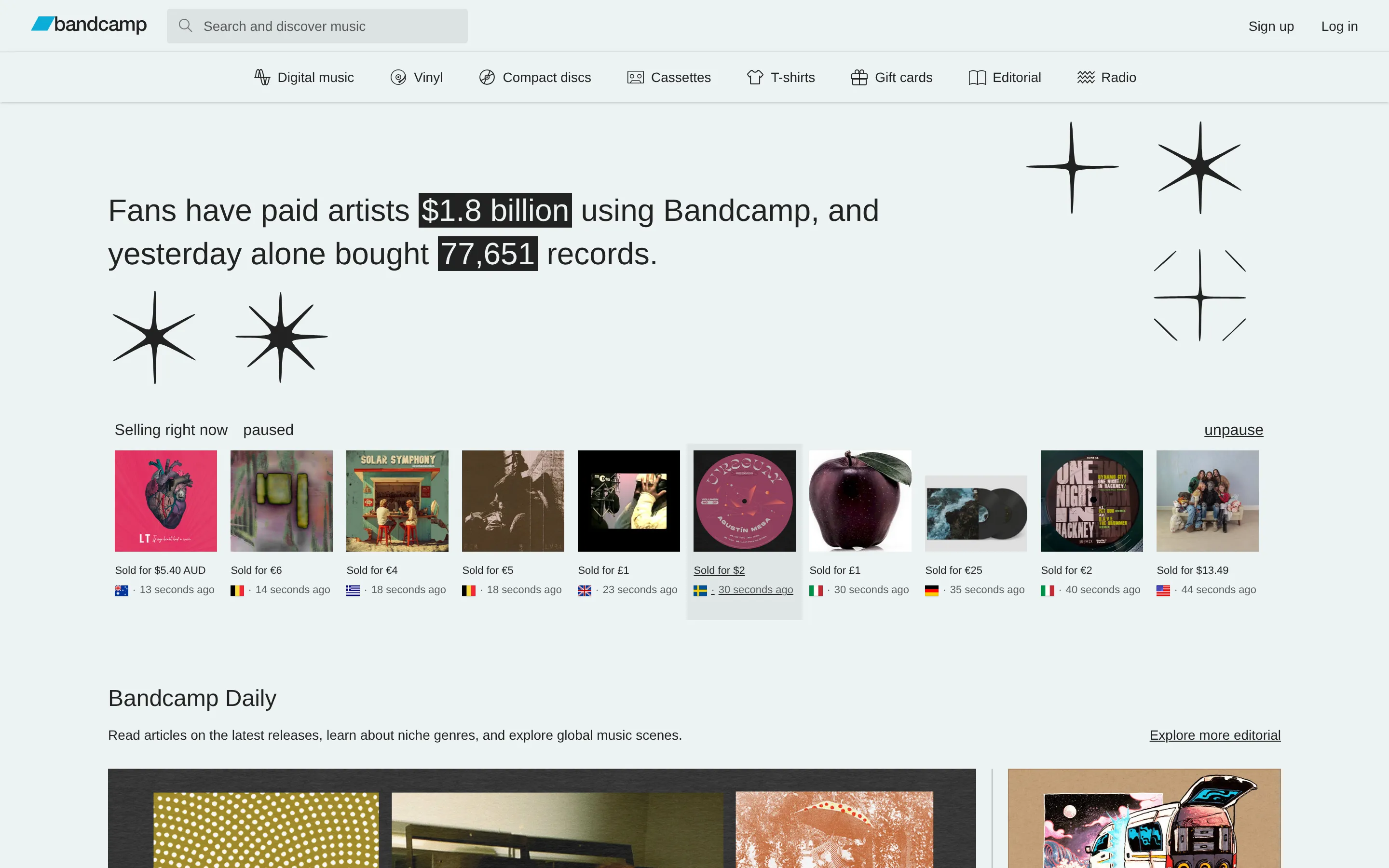
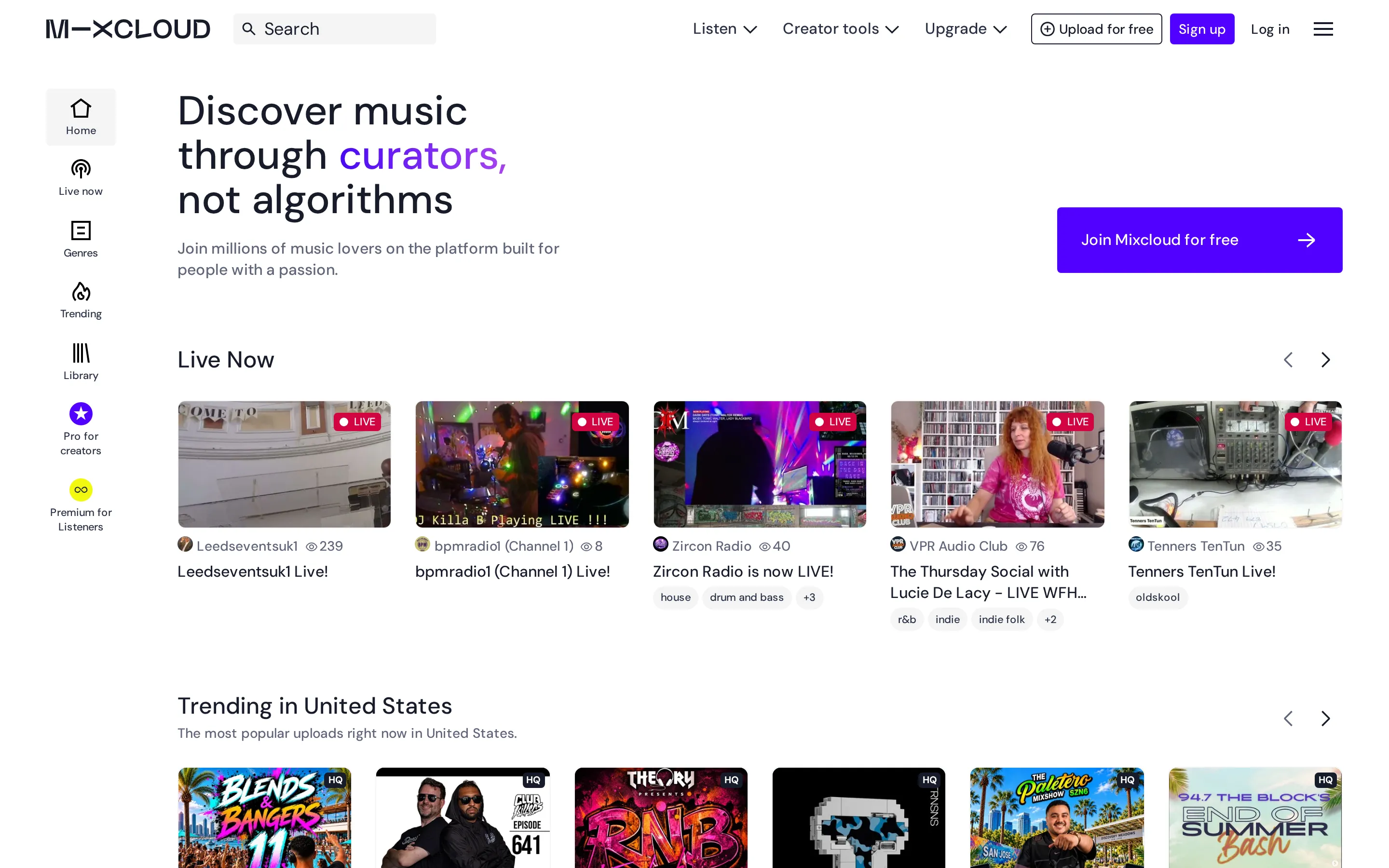
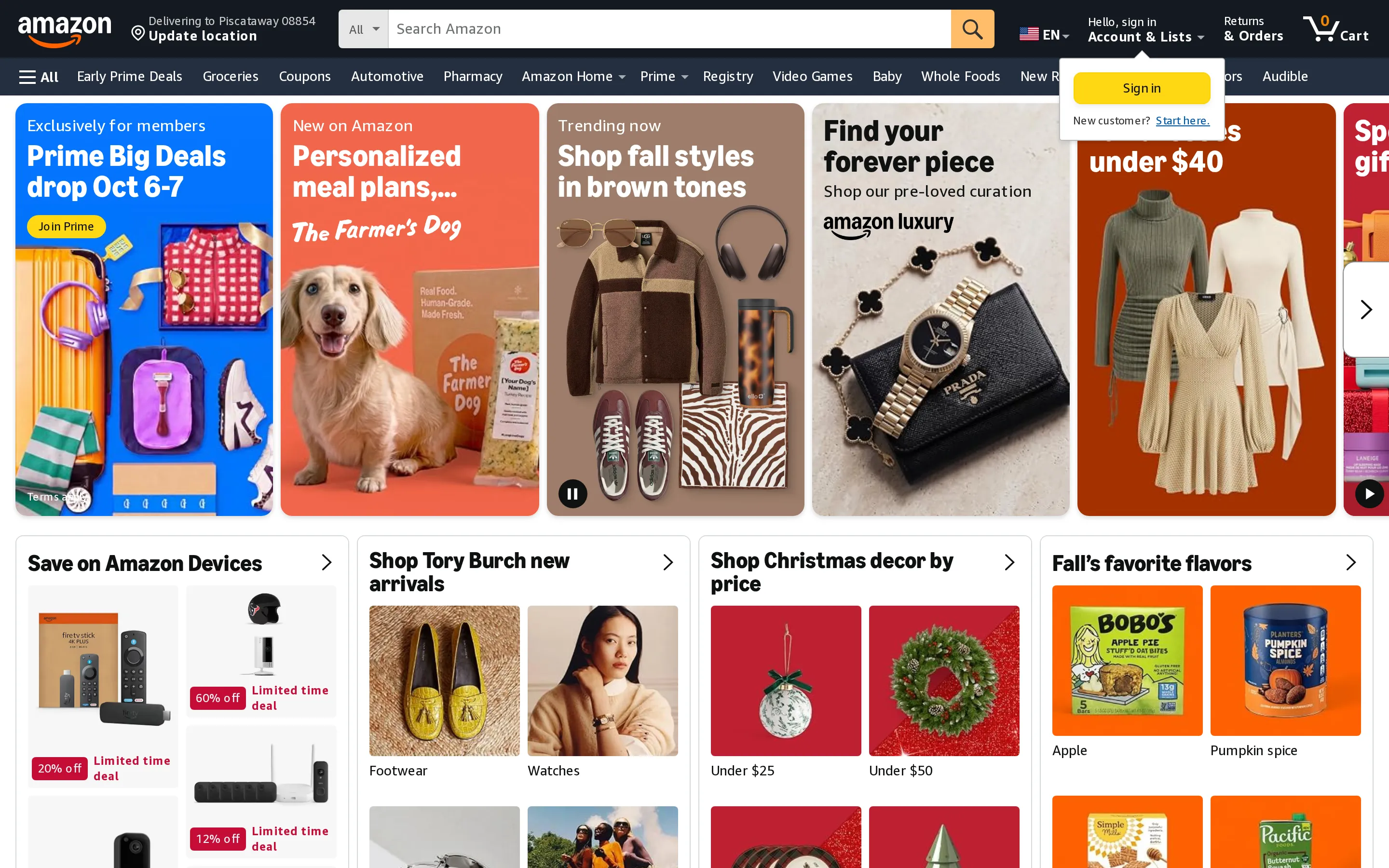
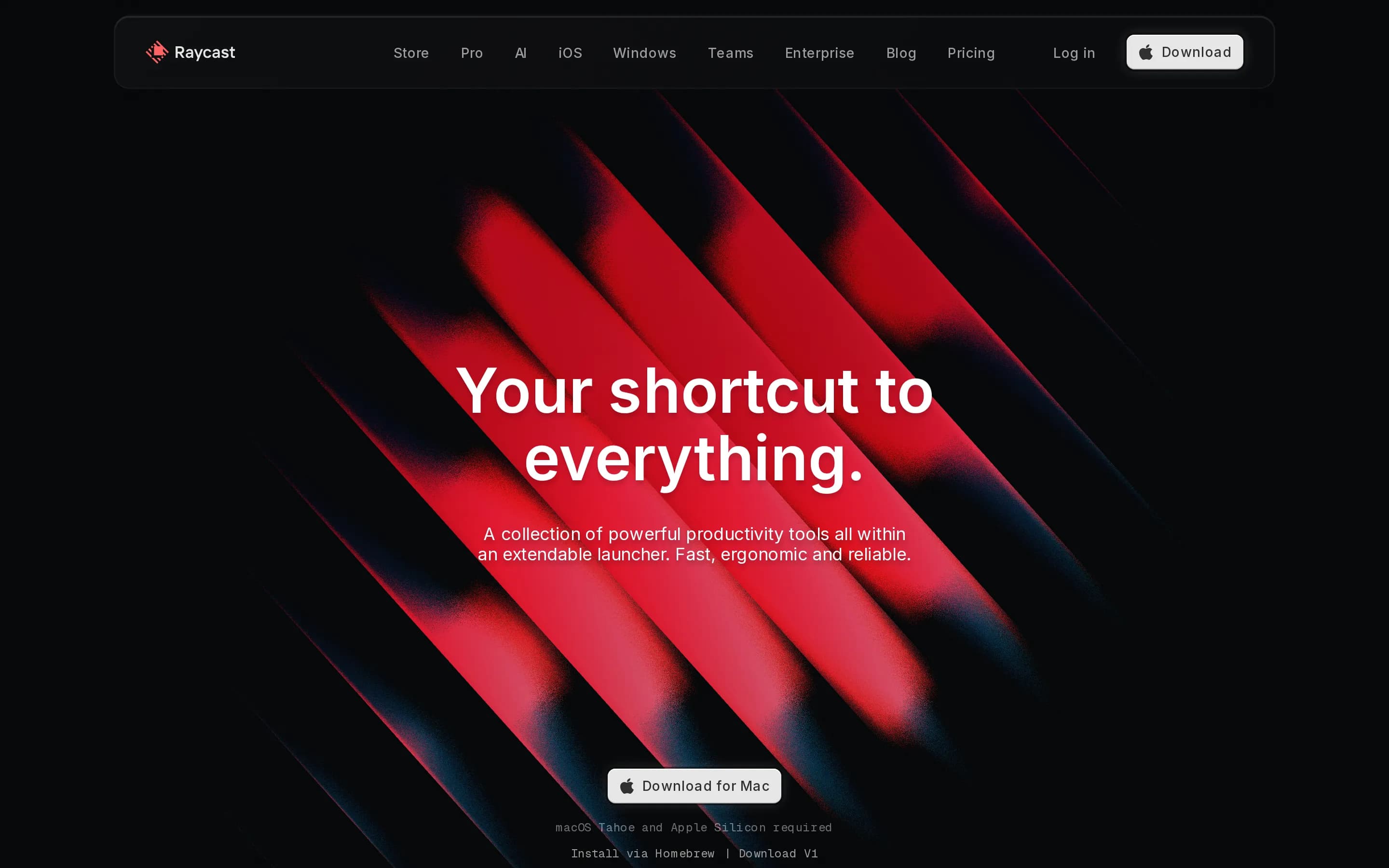
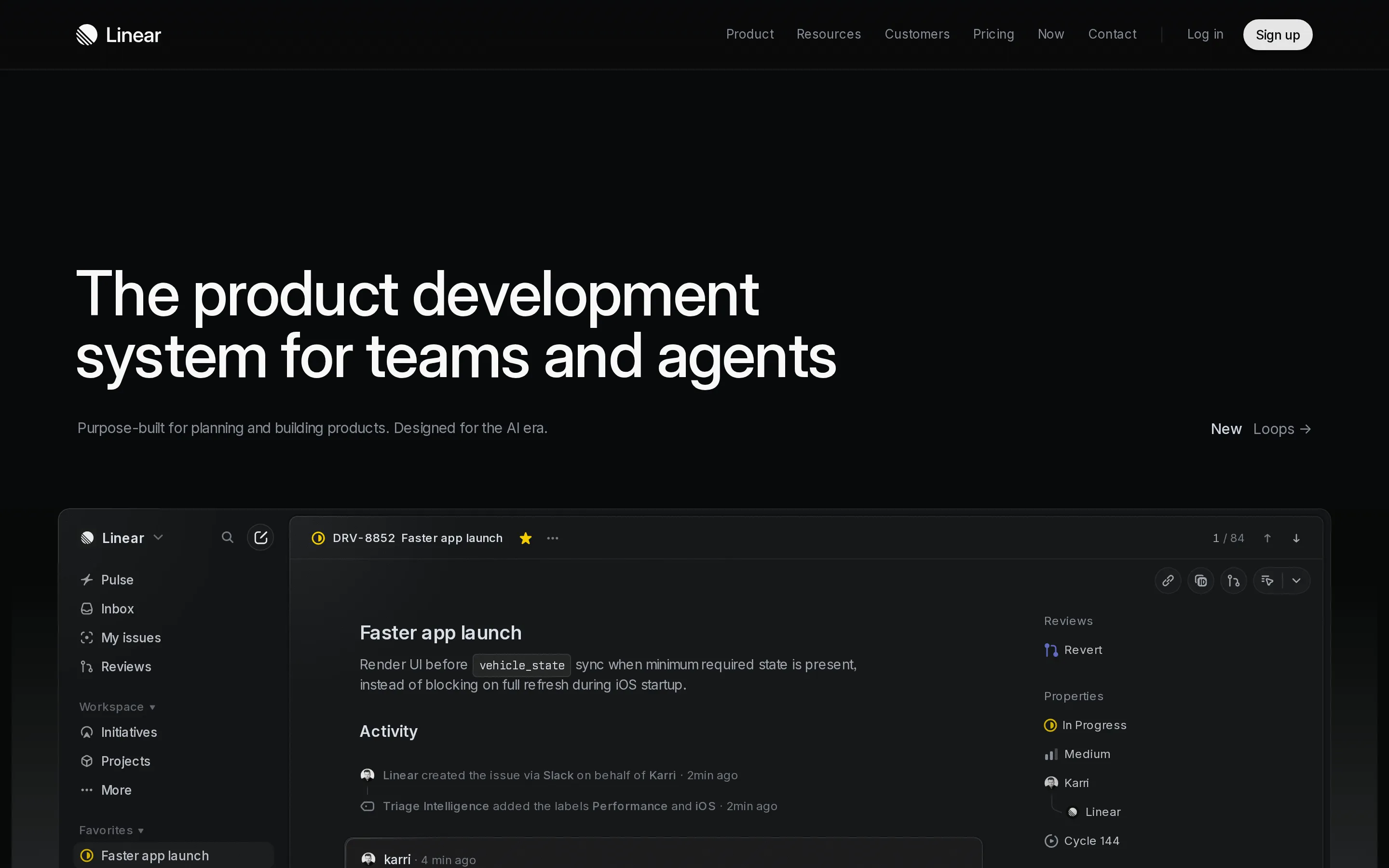
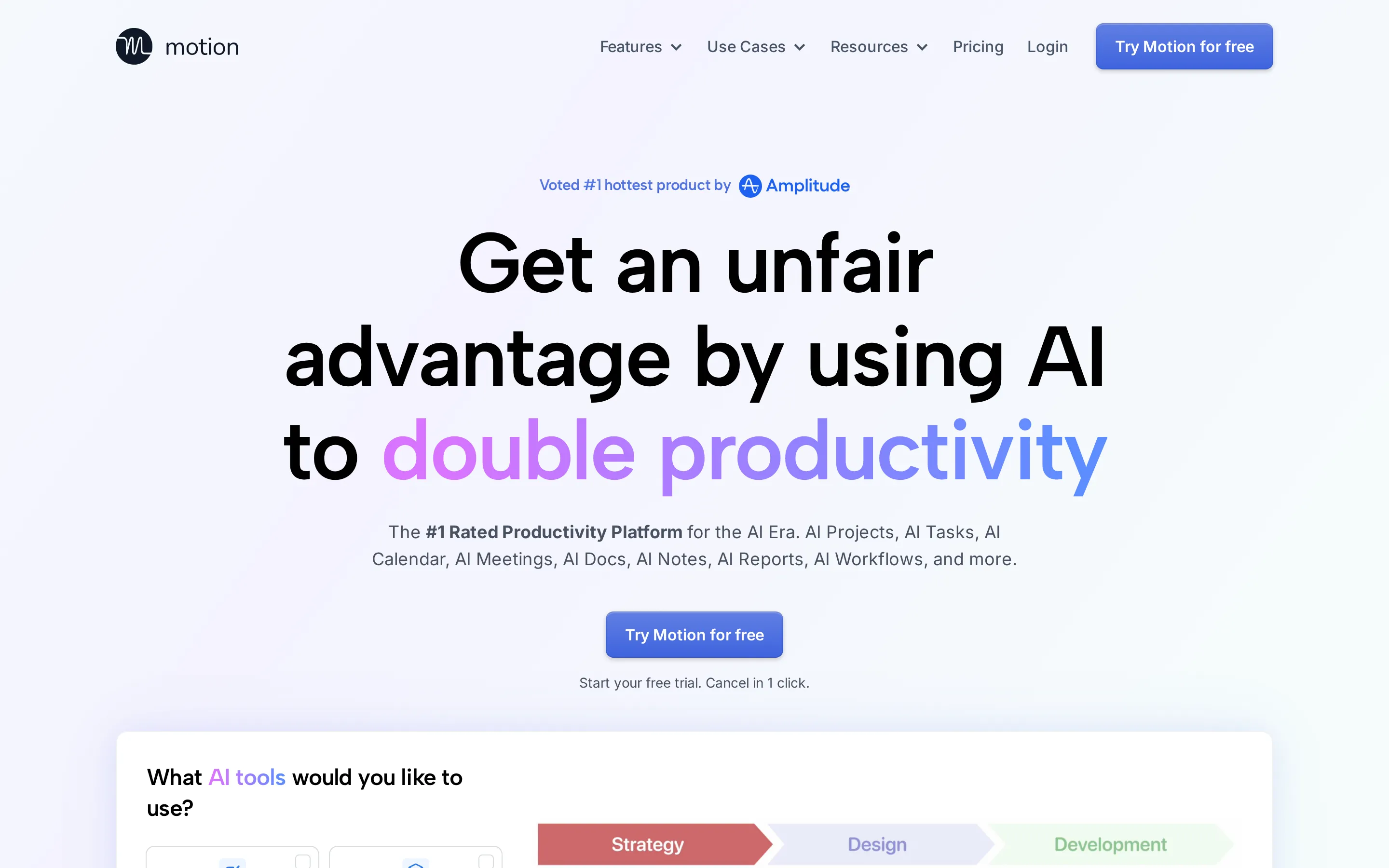
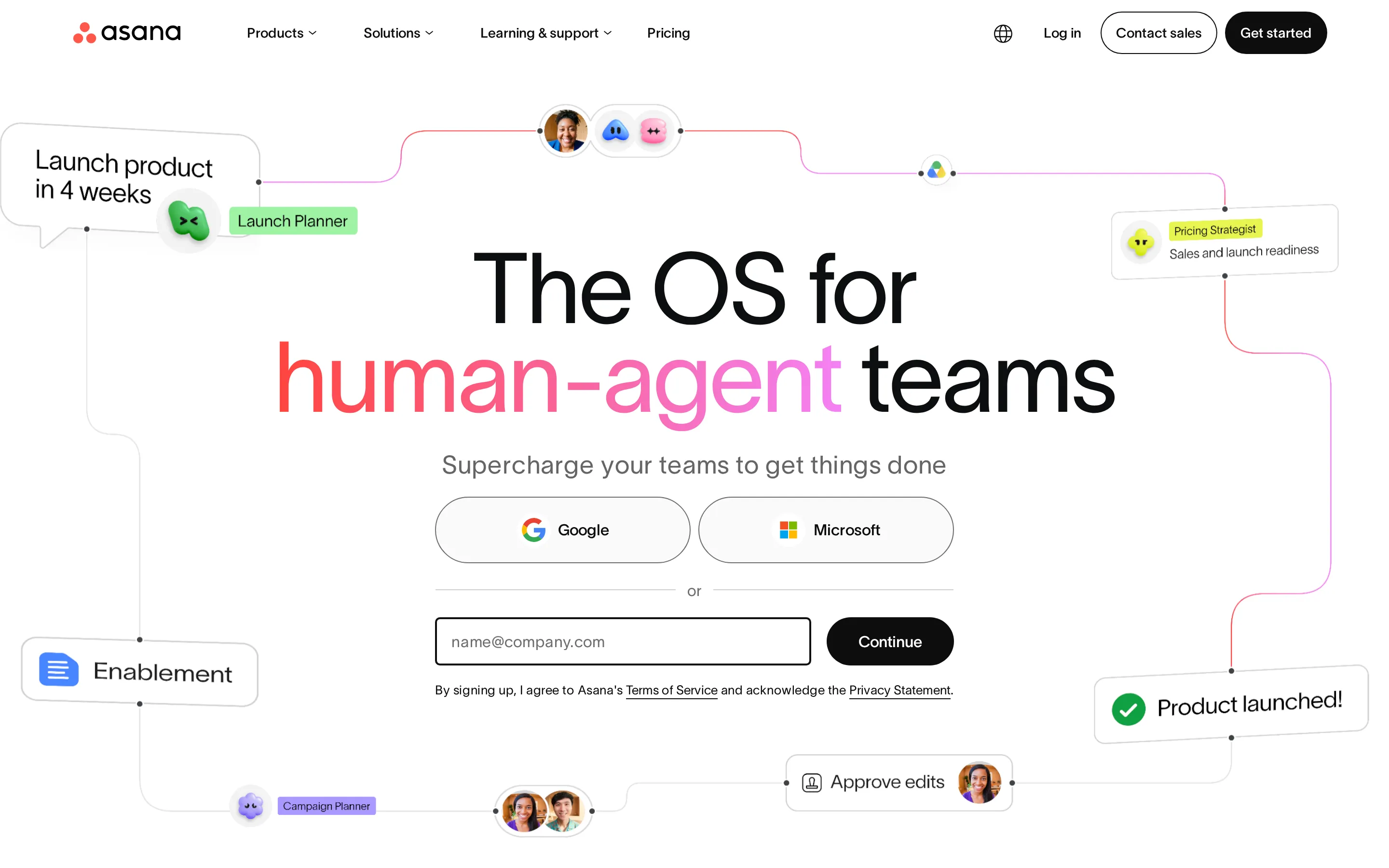
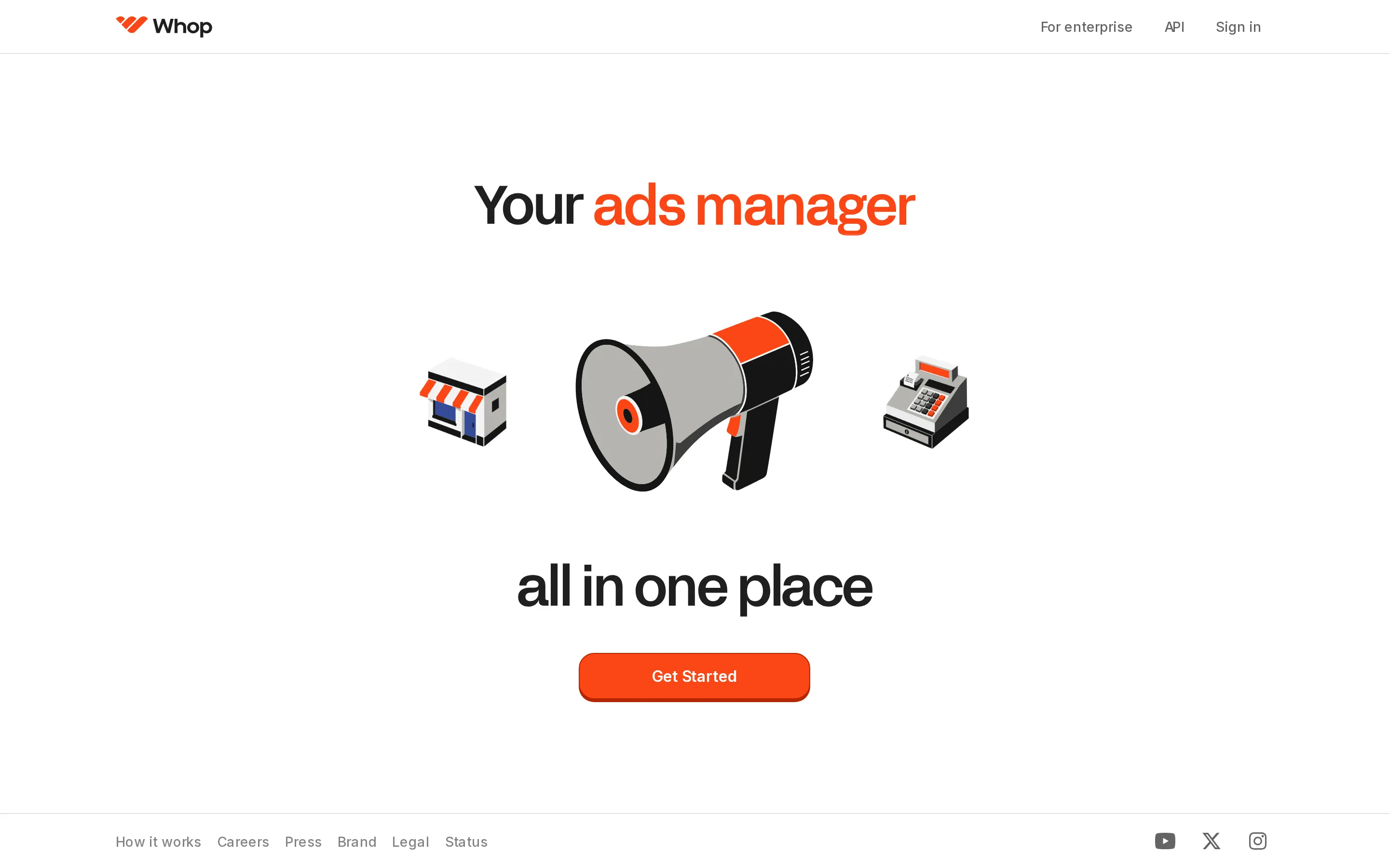
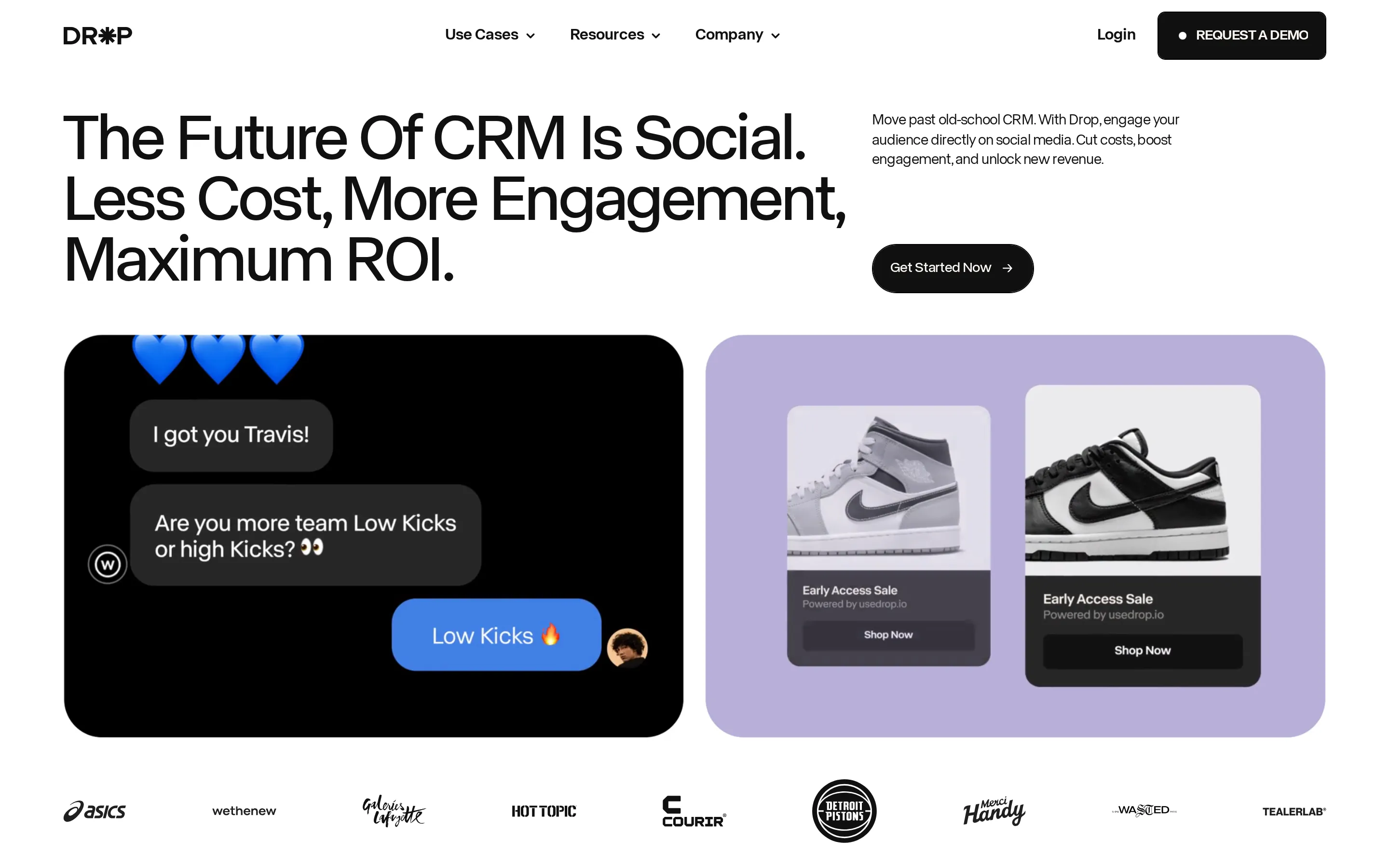
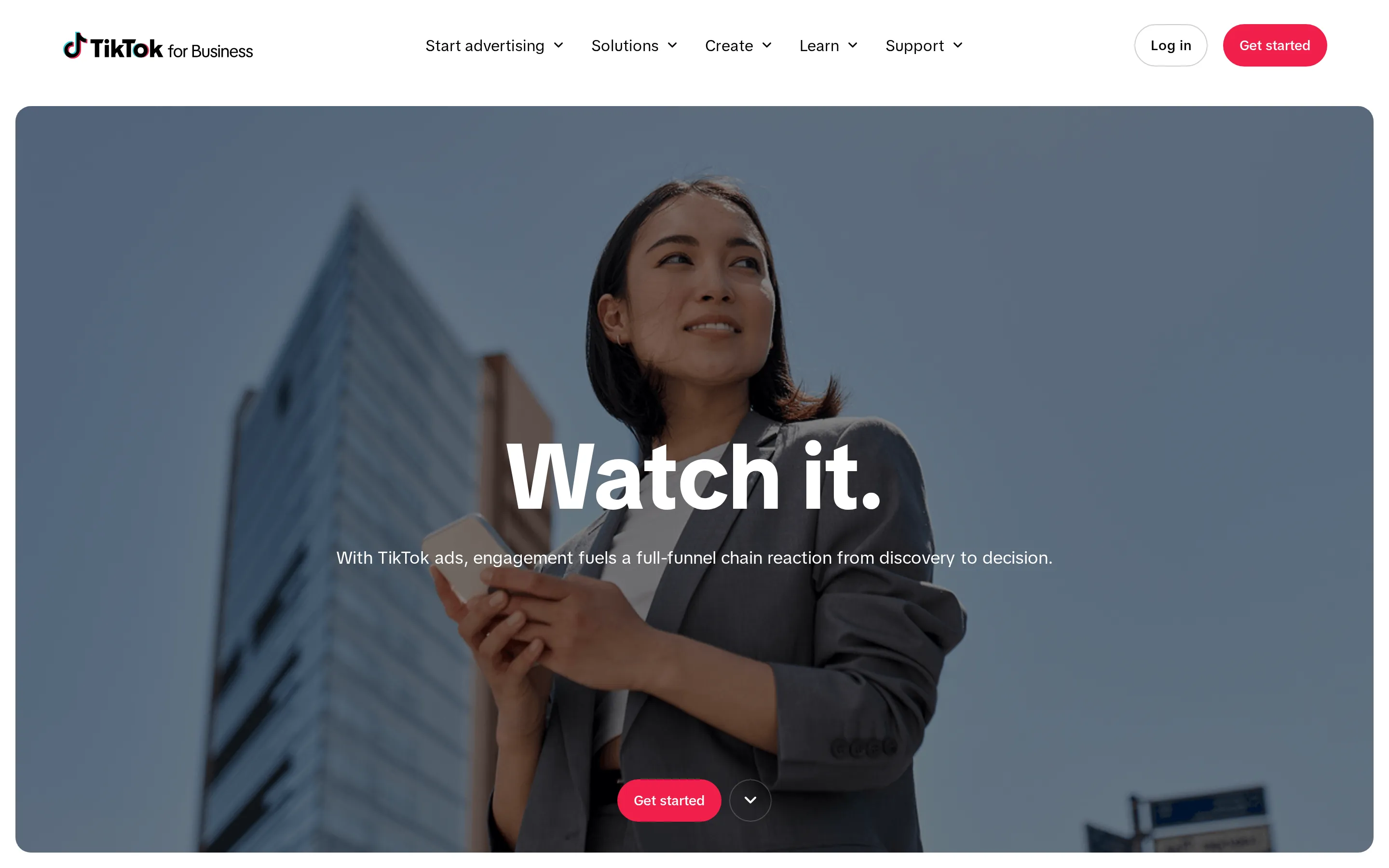
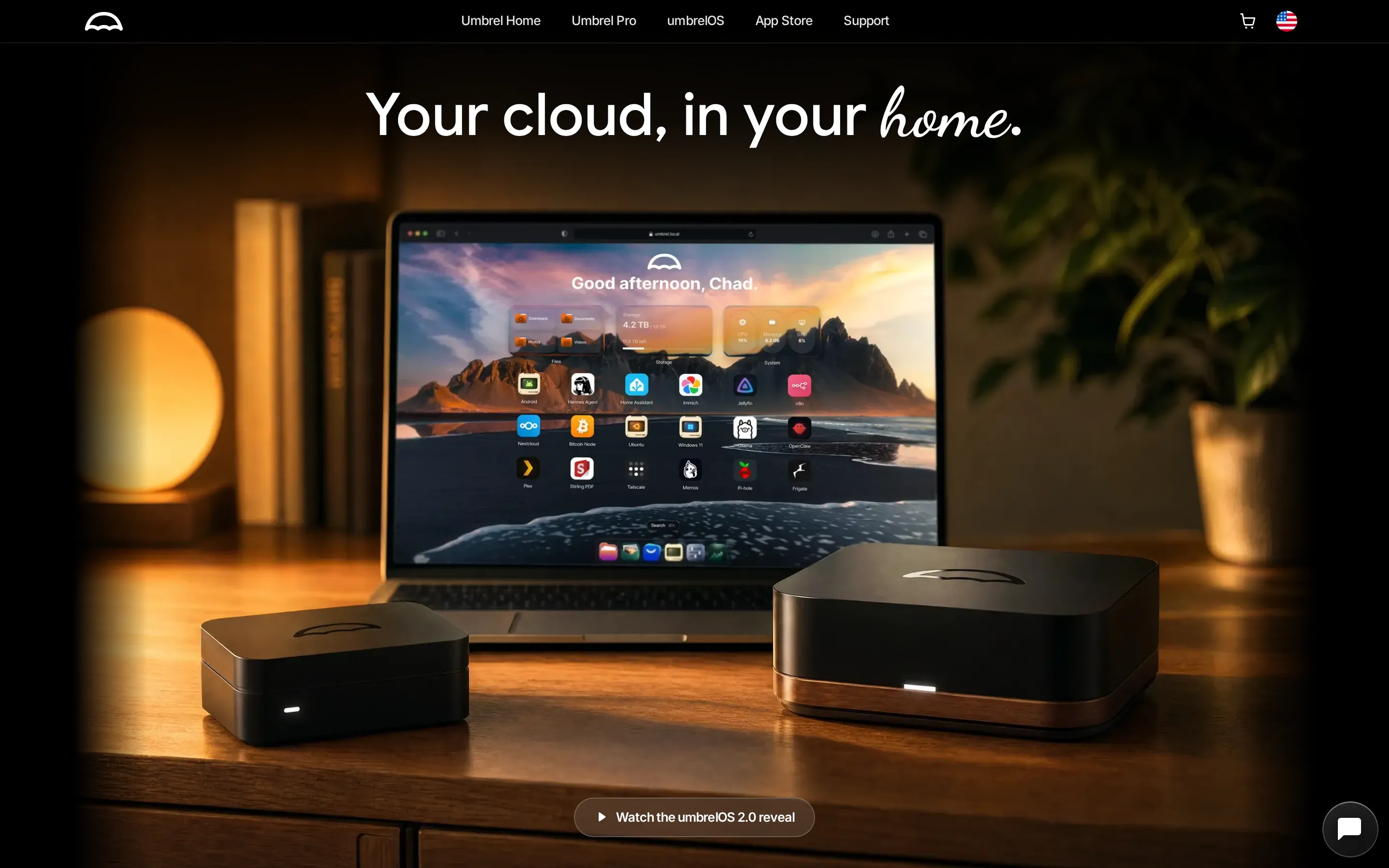
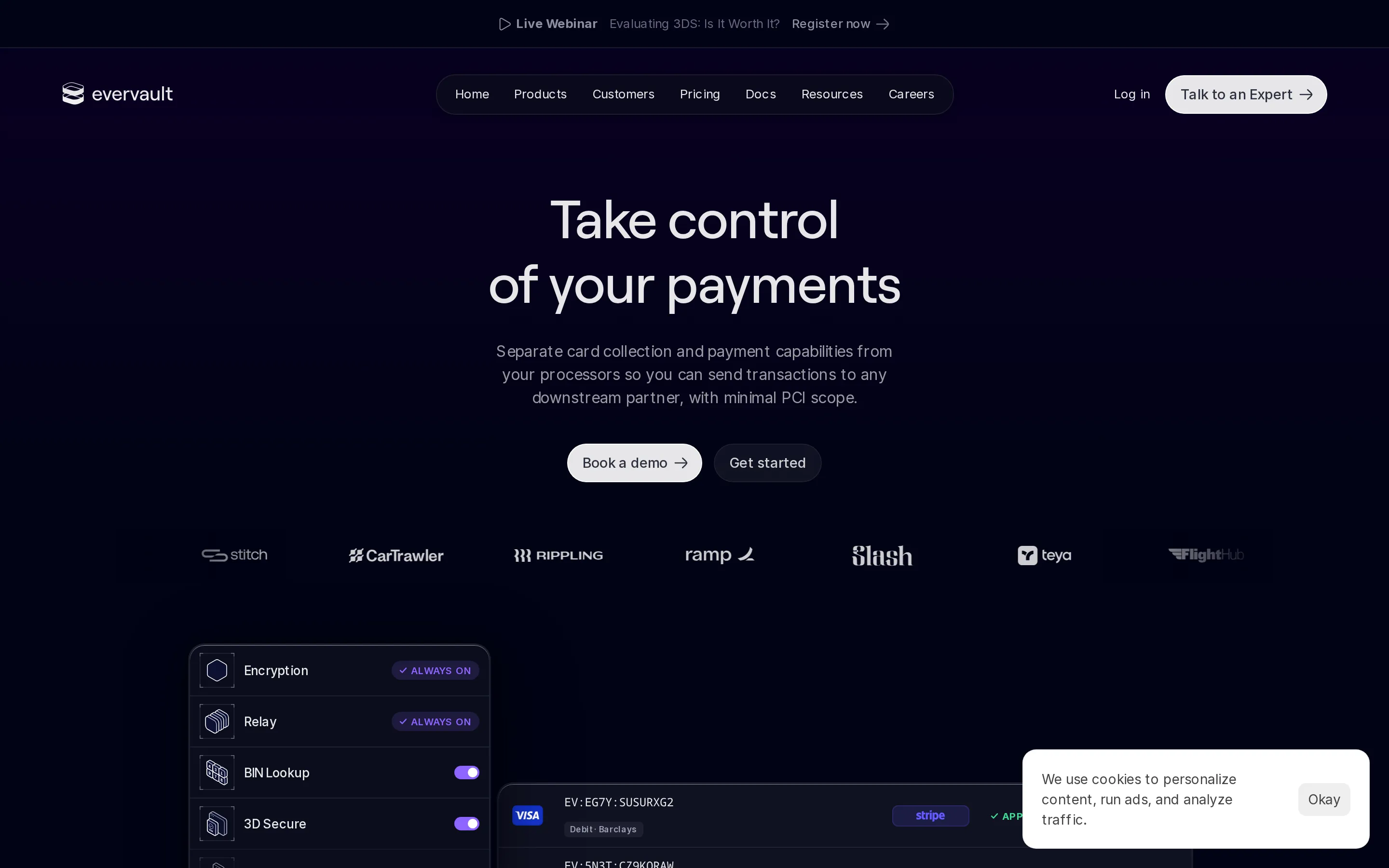
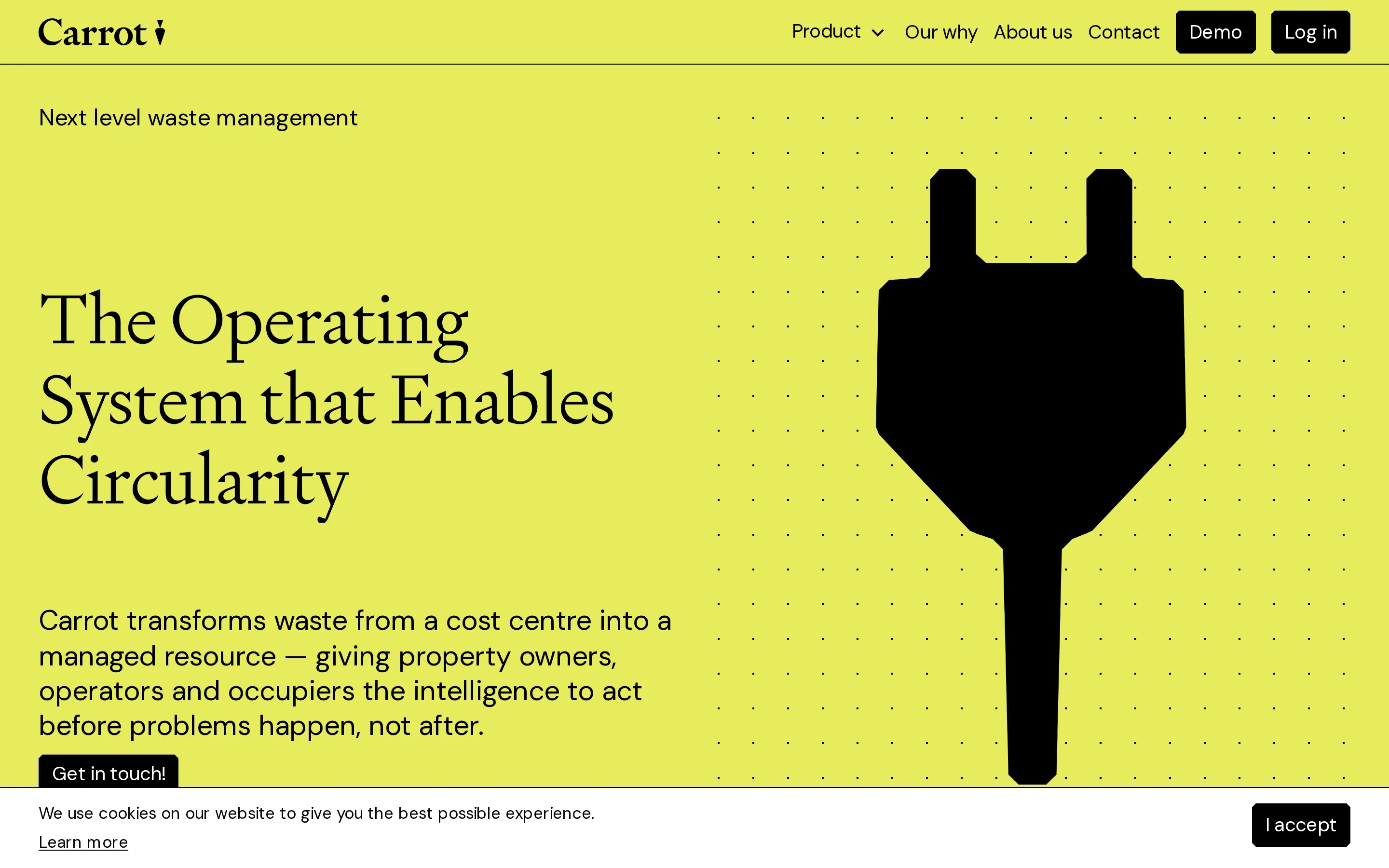
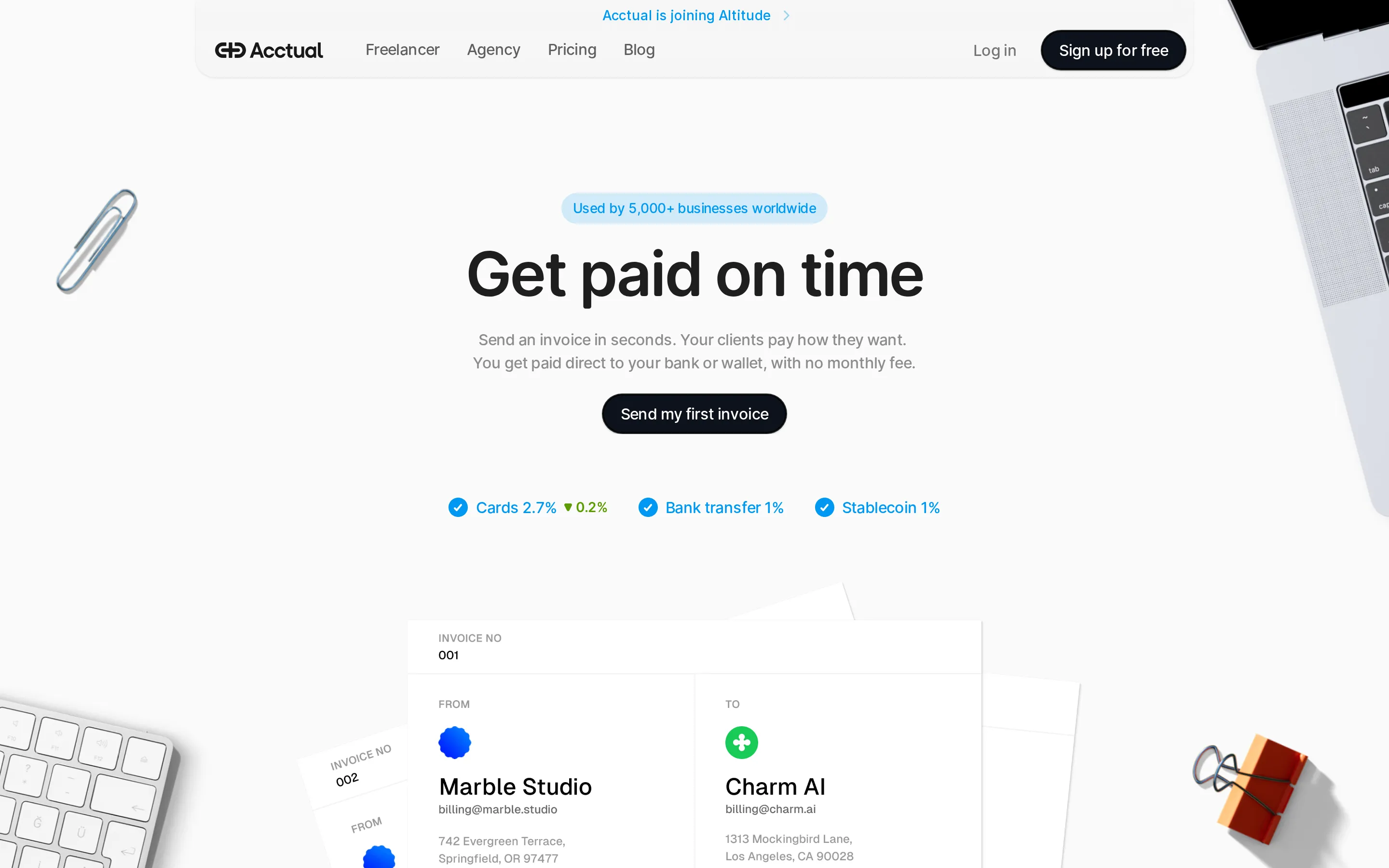
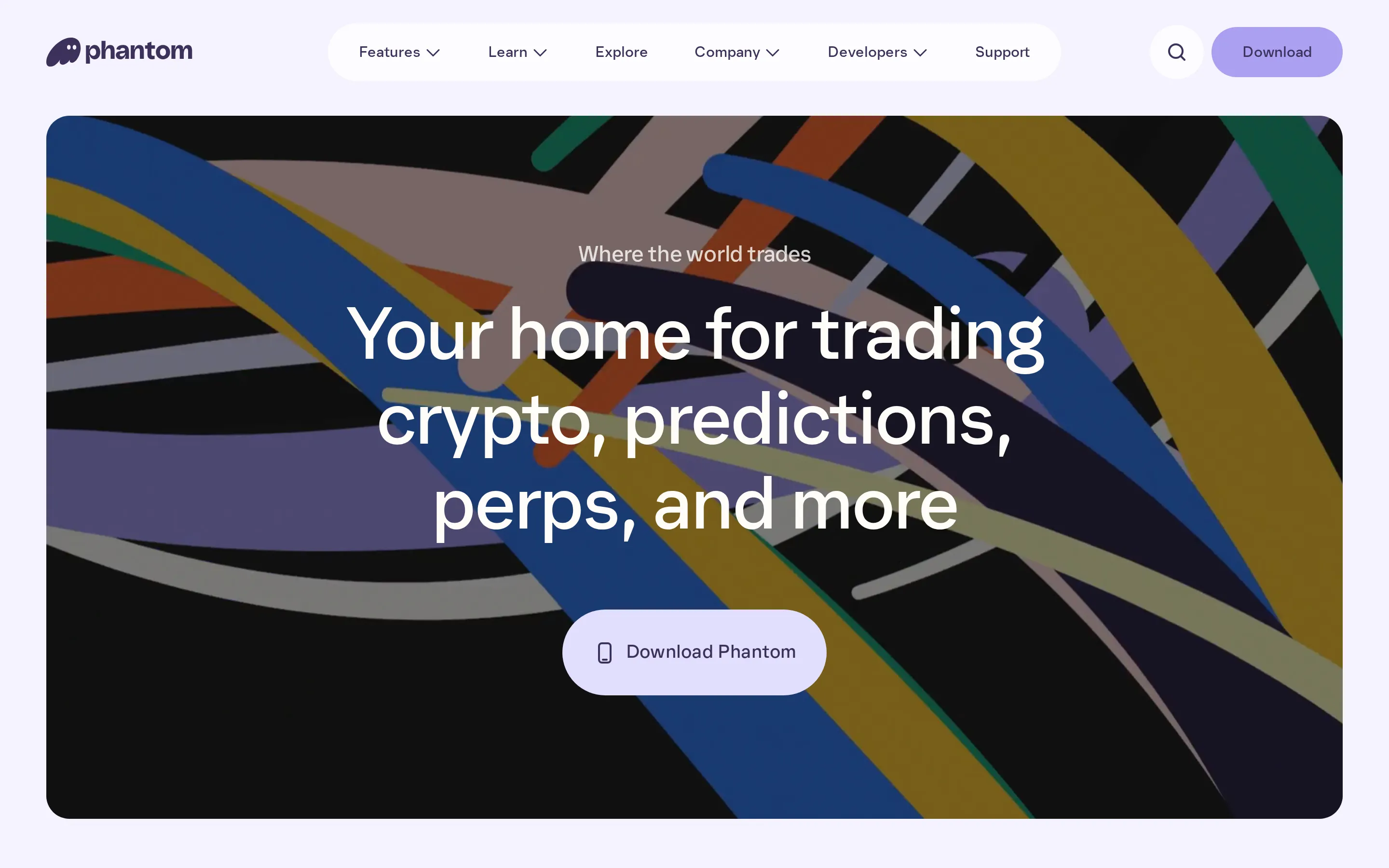
Explore recurring patterns across website categories and compare how positioning, copy and design differ by market.
Cross-category analysis · Updated Sep 2026
Category intelligence
Across the latest round, the strongest recurring pattern is clarity through specificity. Product-led categories repeatedly use action words and explicit domain cues, while creative, cultural and lifestyle categories rely more on identity, craft and discovery. Across the 42 category profiles with a usable headline median, the midpoint is six words: top-level promises are relatively direct, but differentiation comes from naming the audience, job or context—not from brevity alone.
Different categories need different kinds of clarity
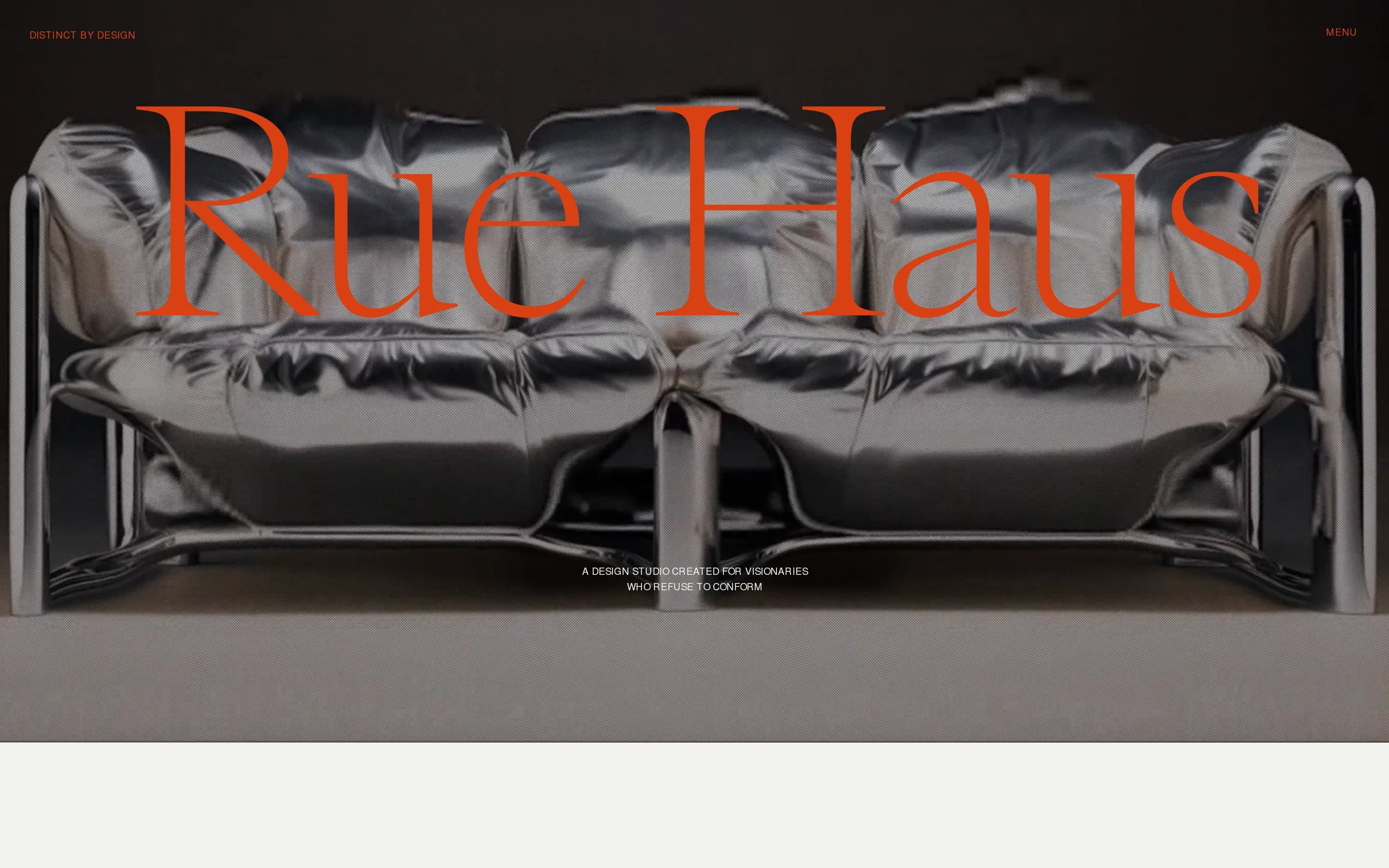
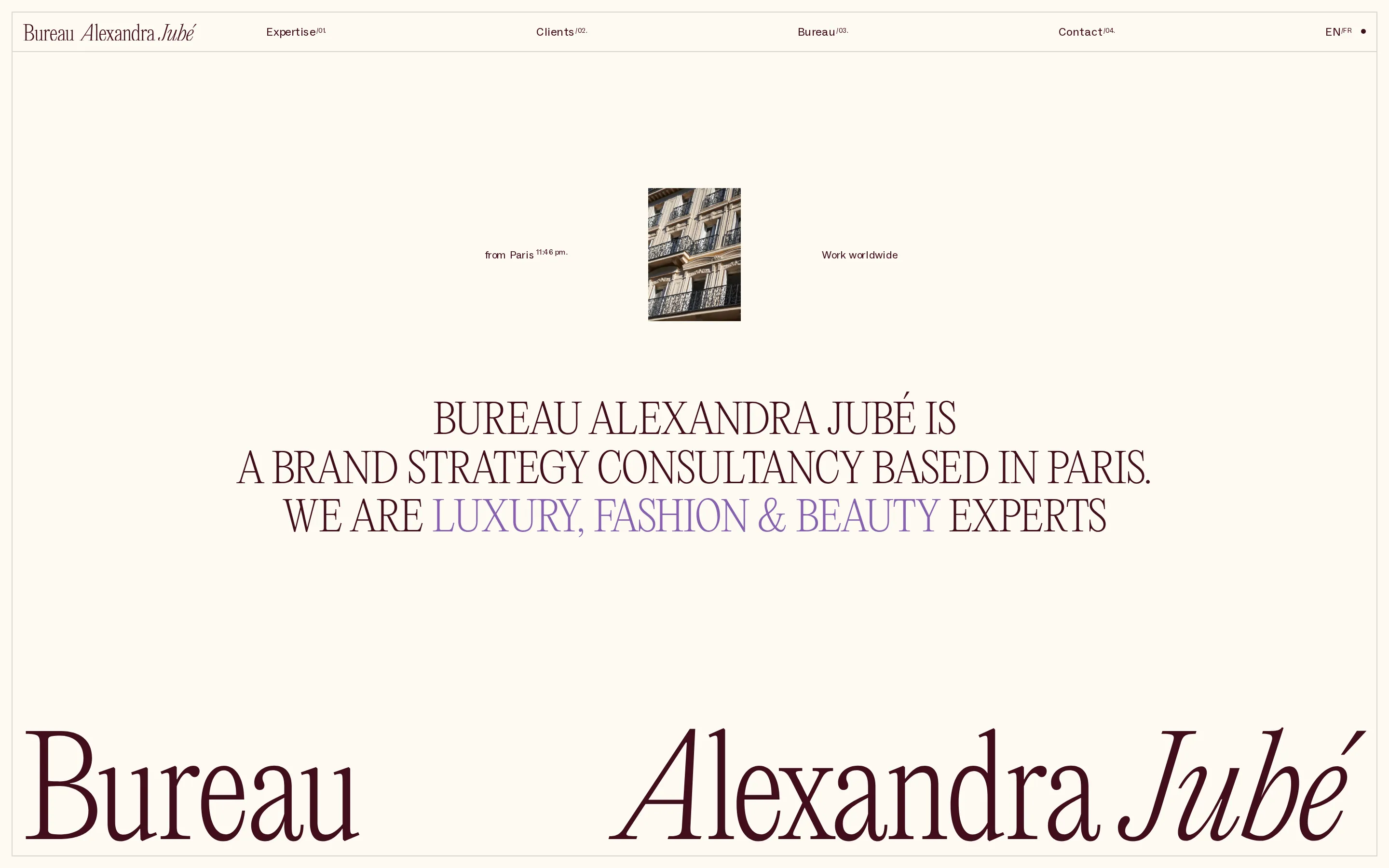
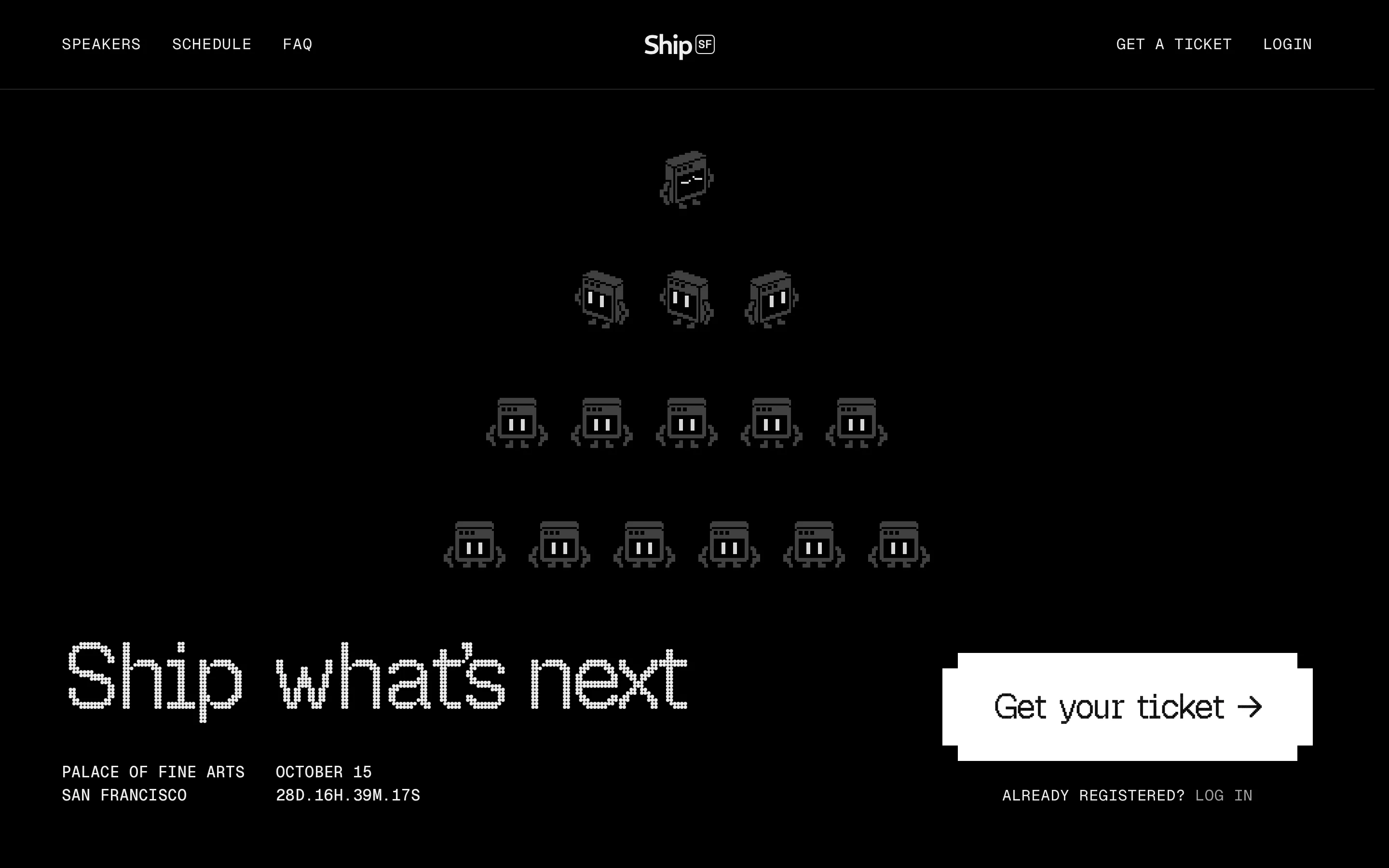
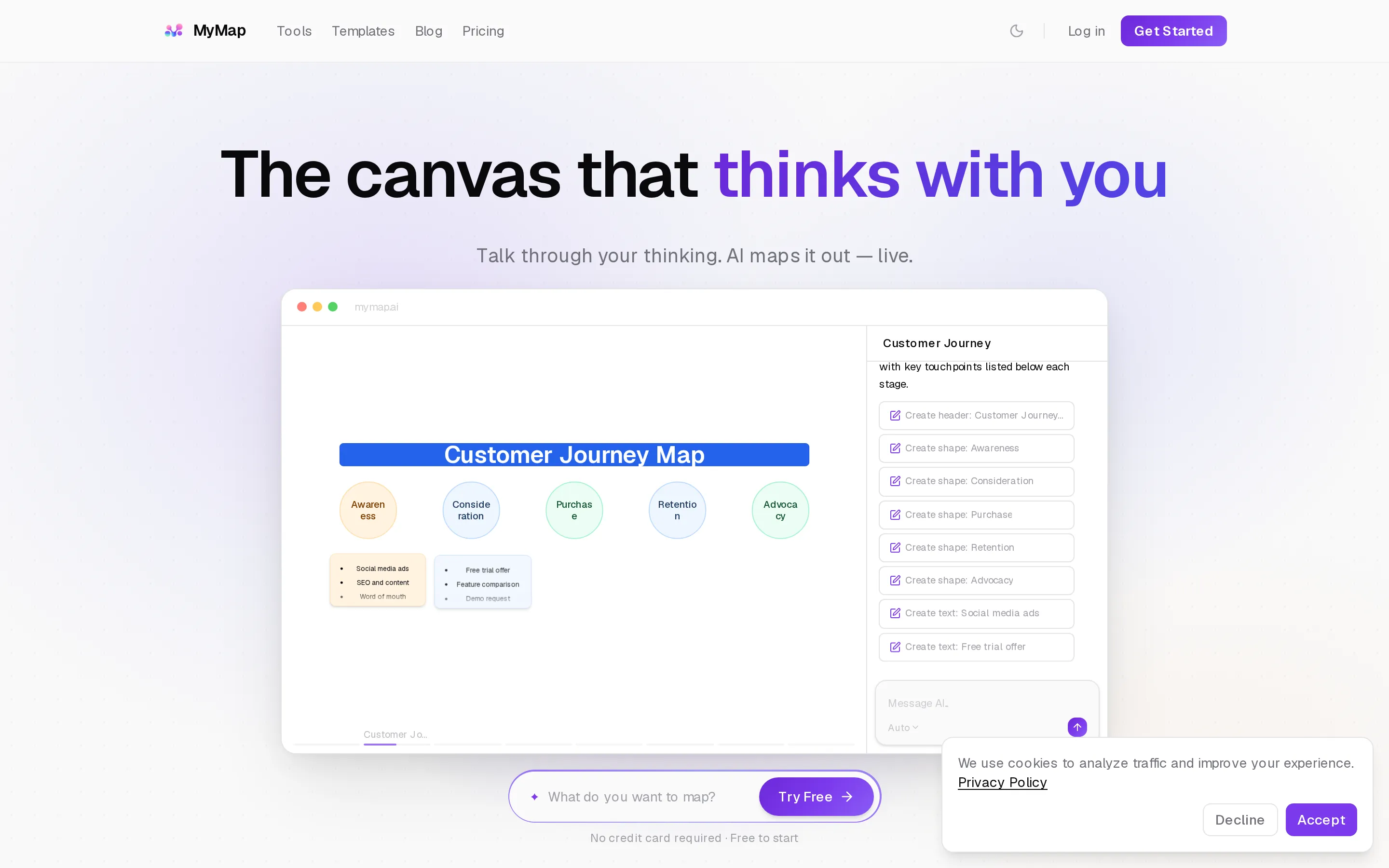
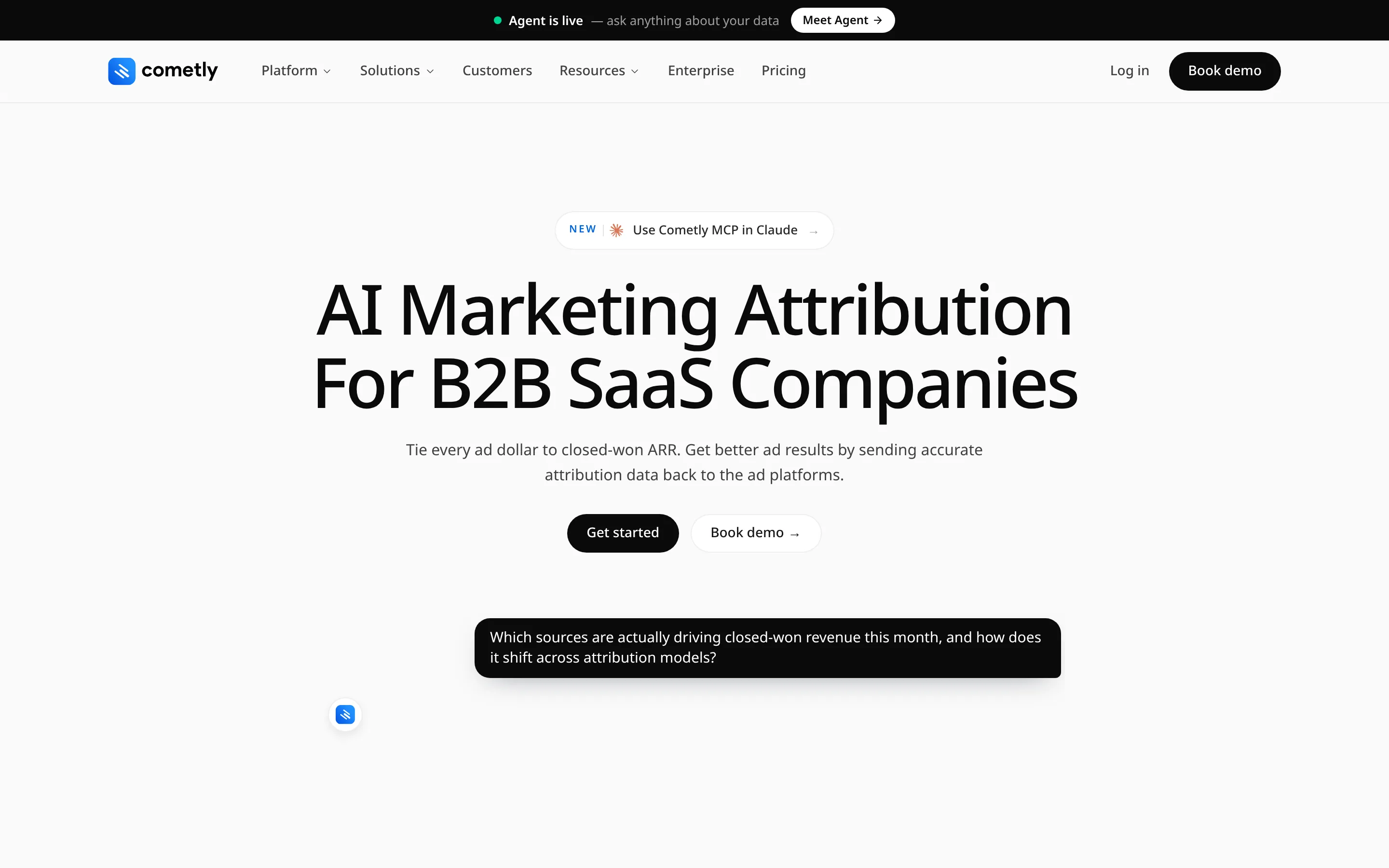
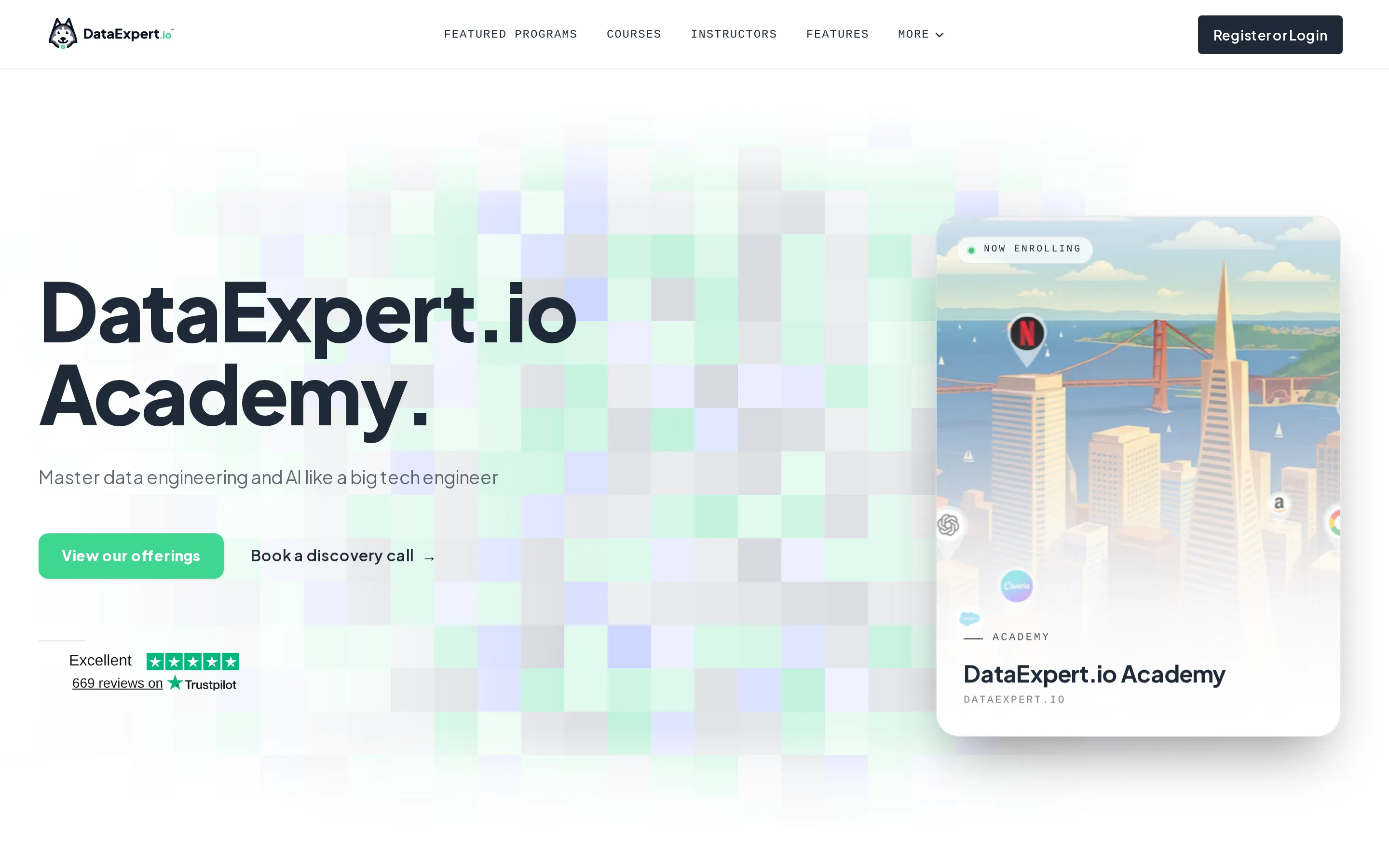
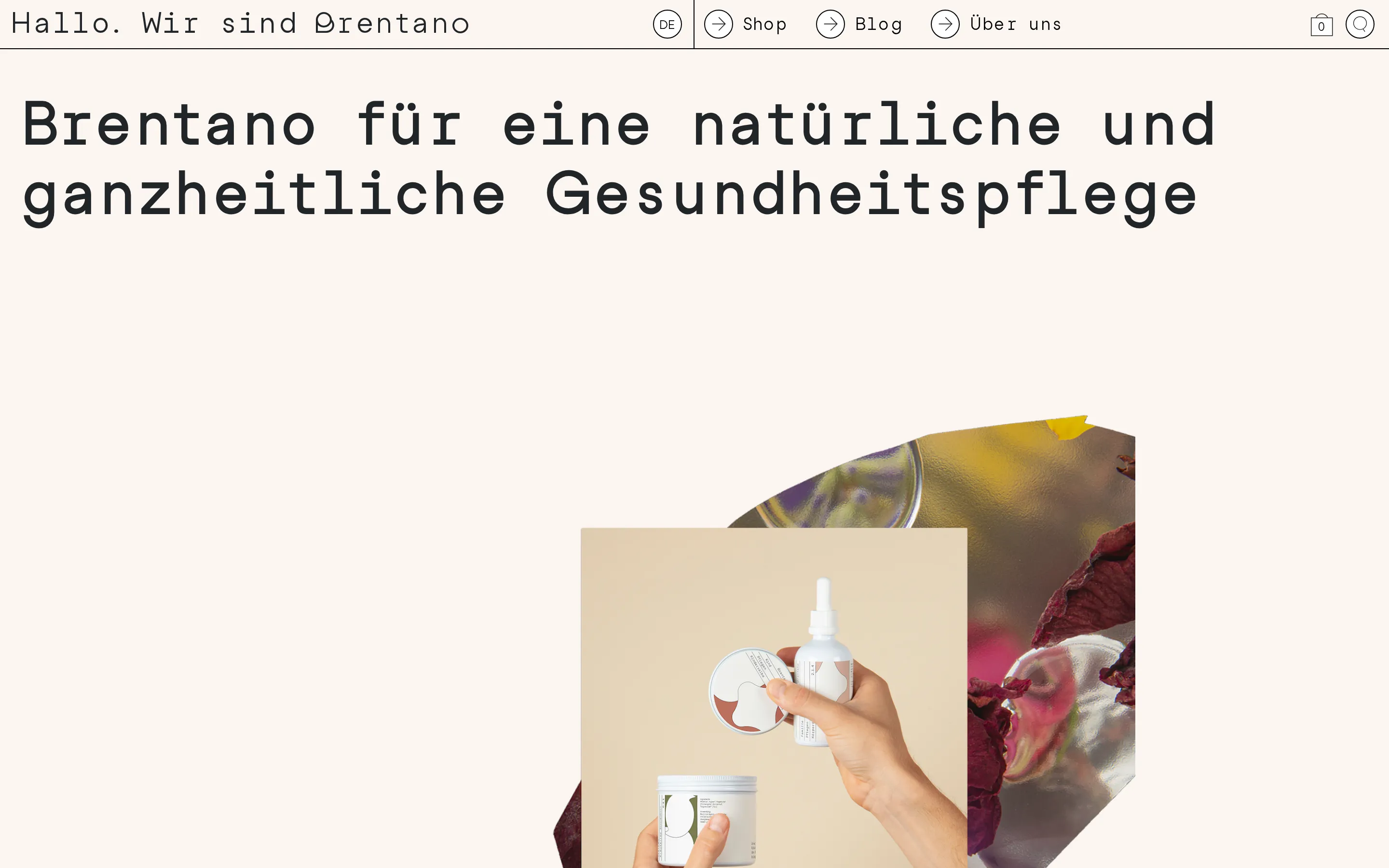
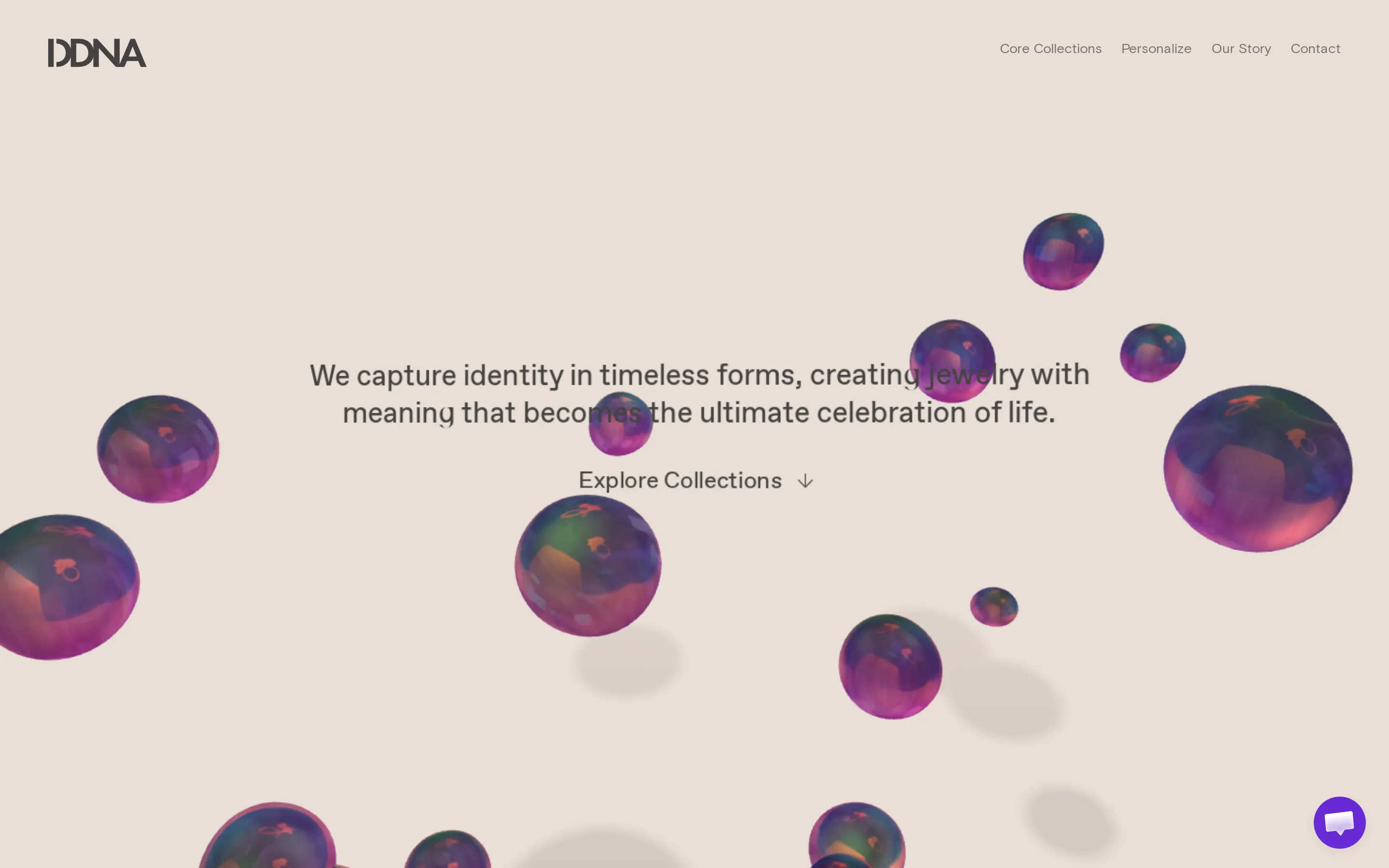
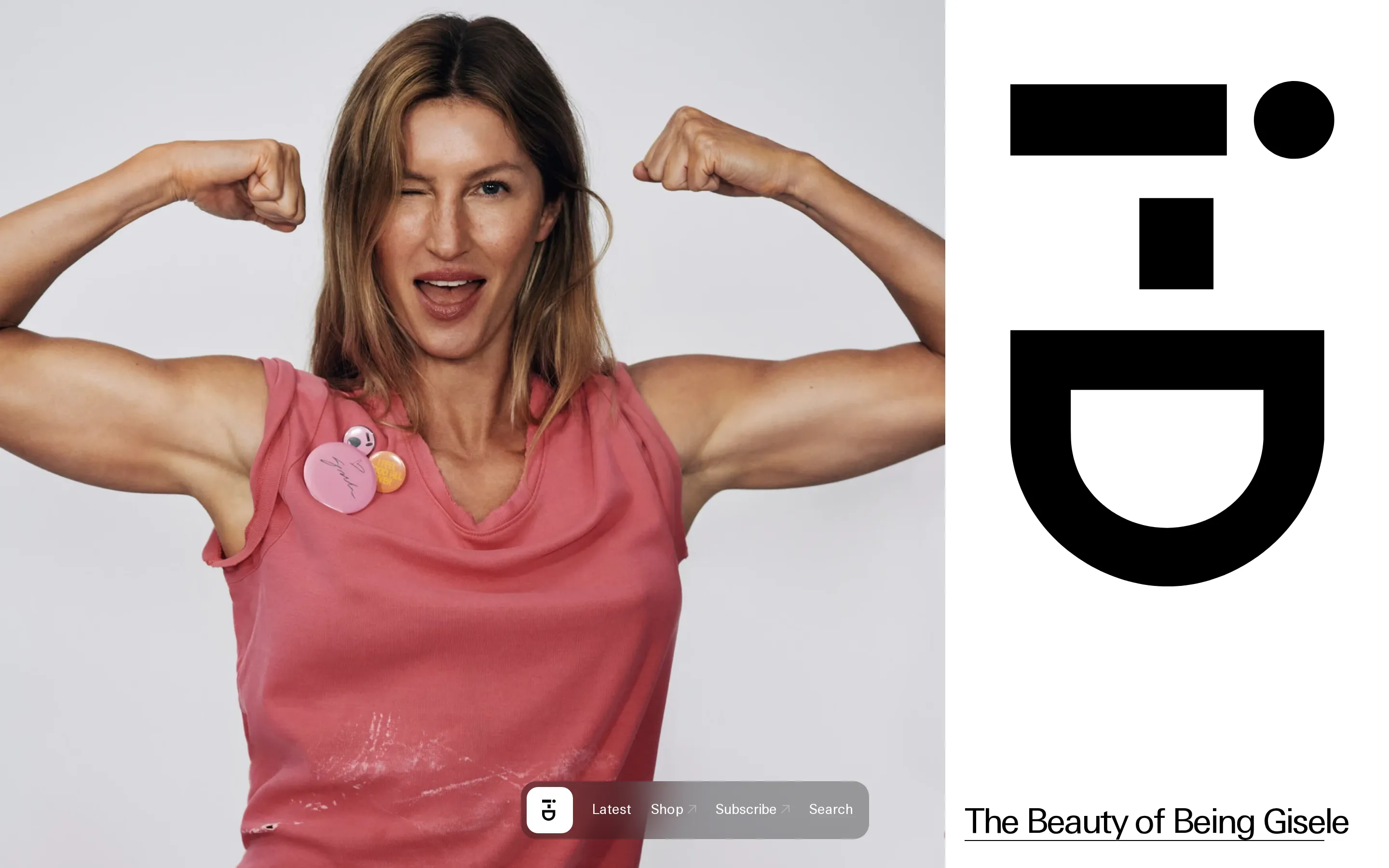
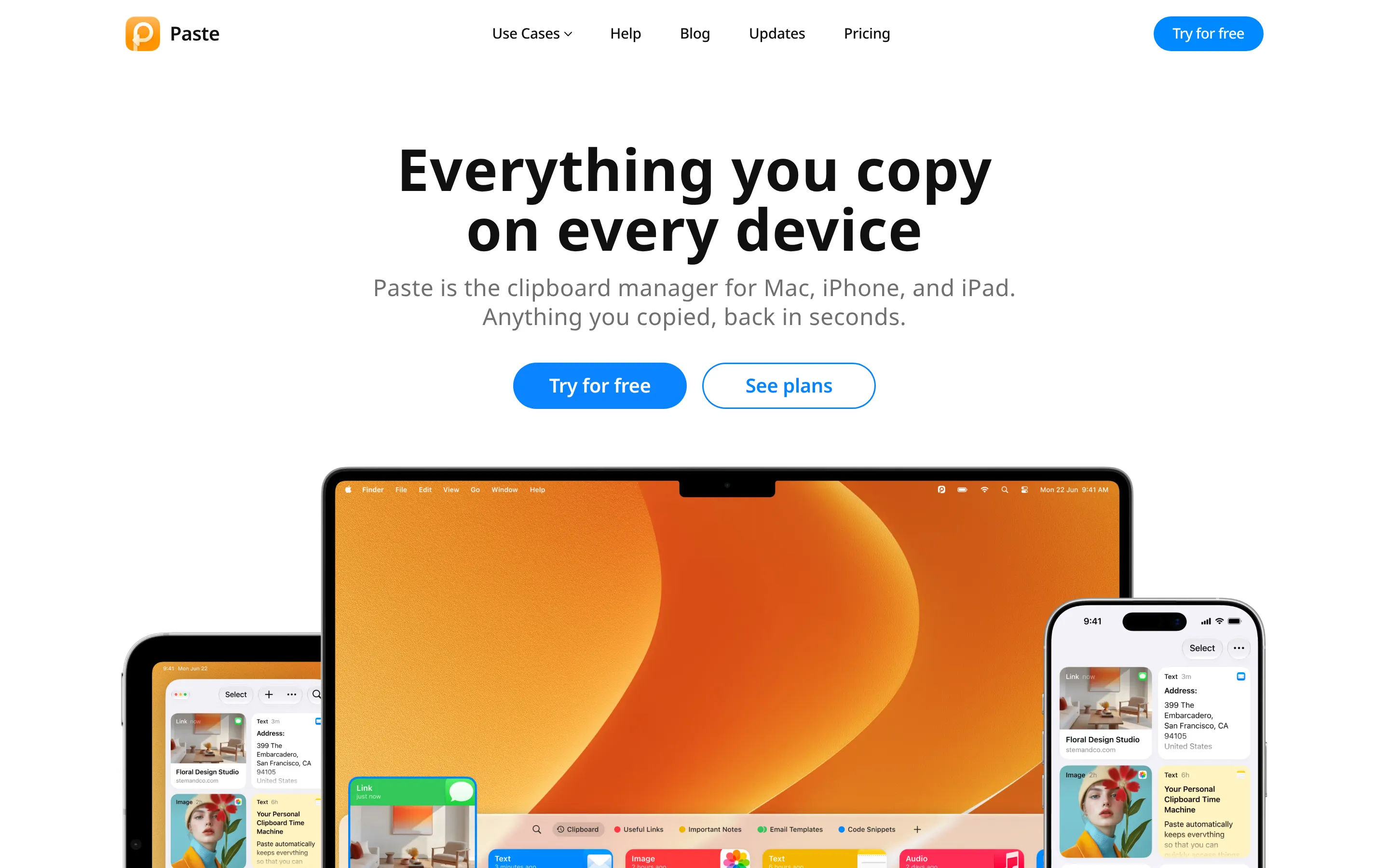
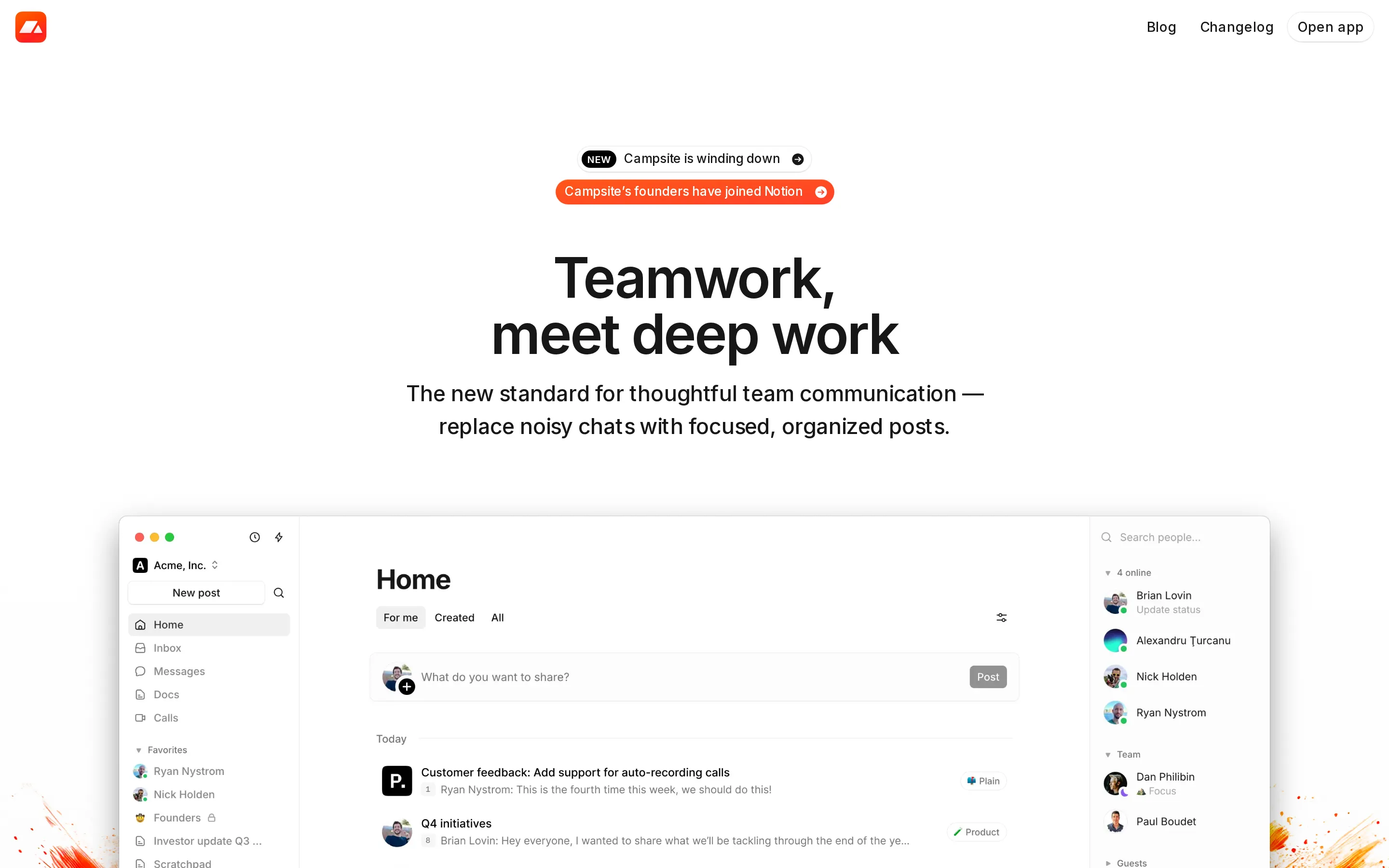
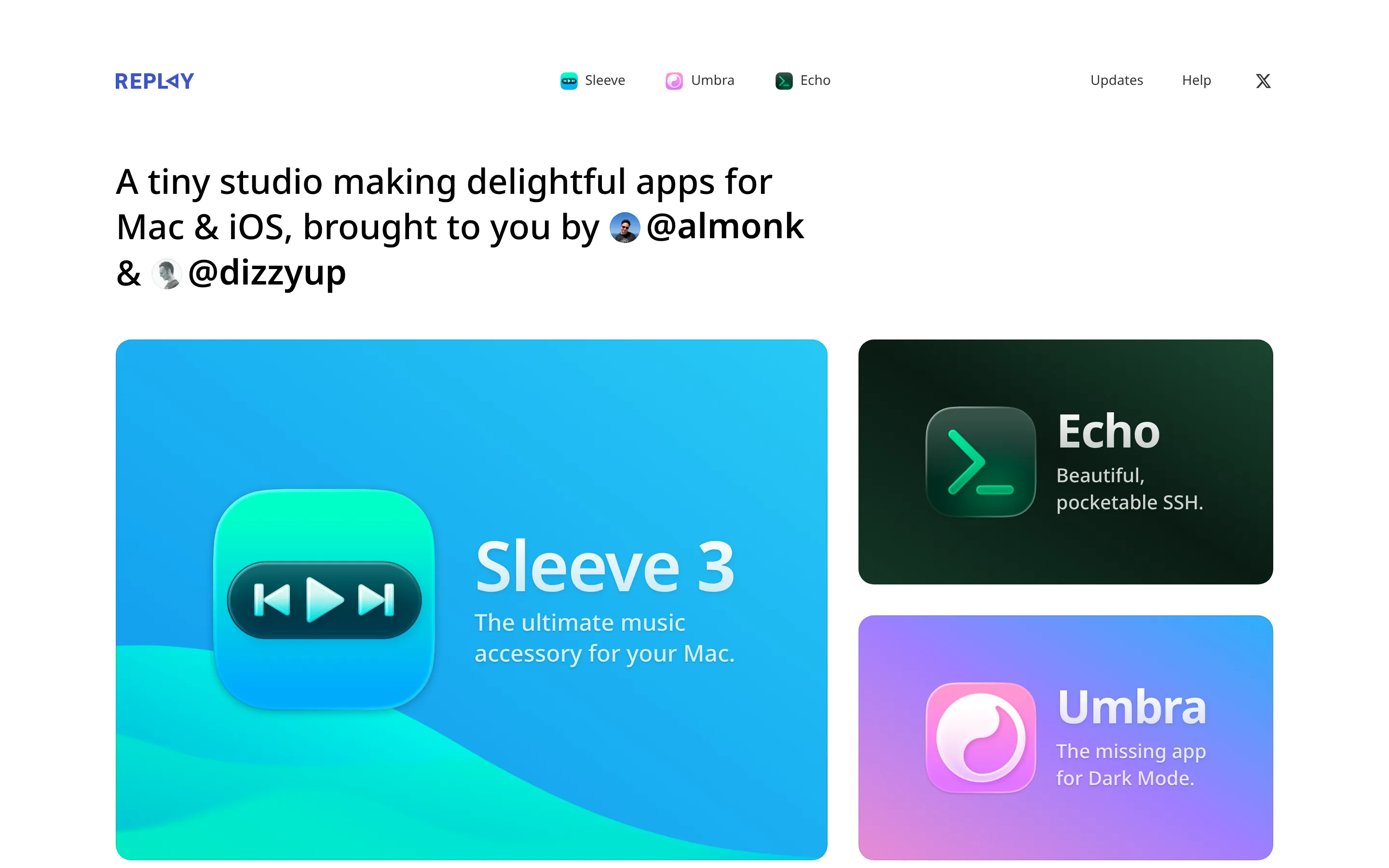
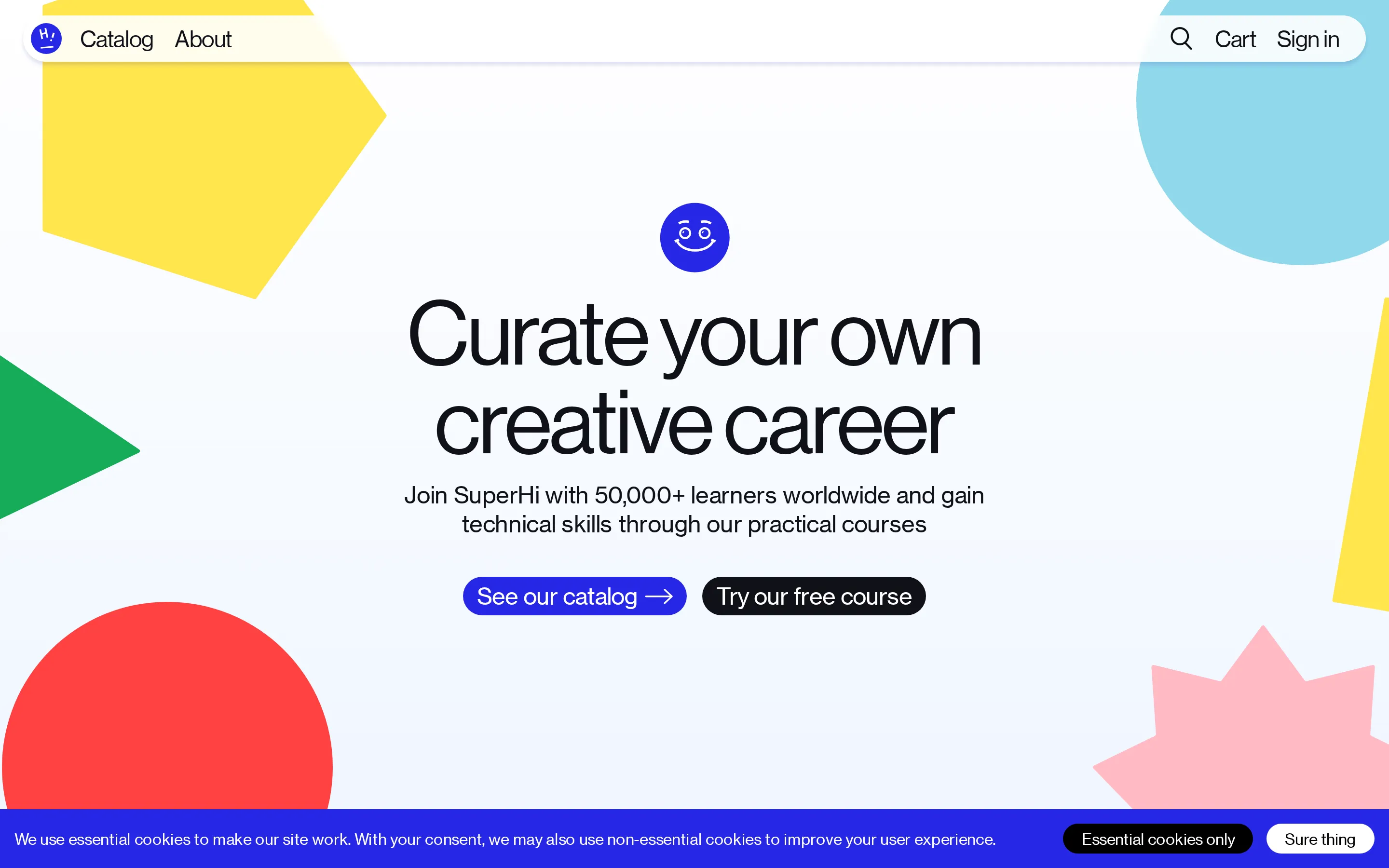
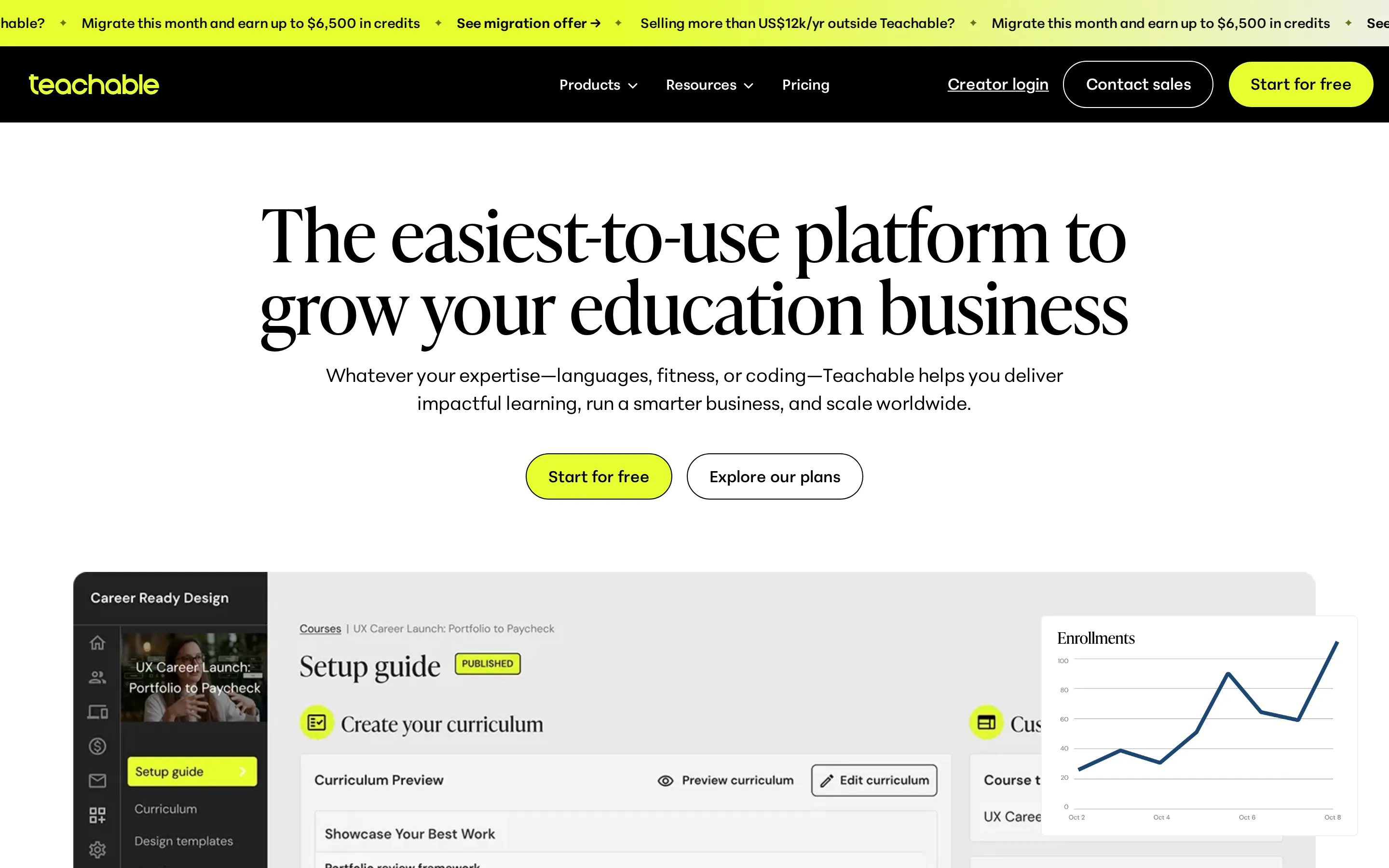
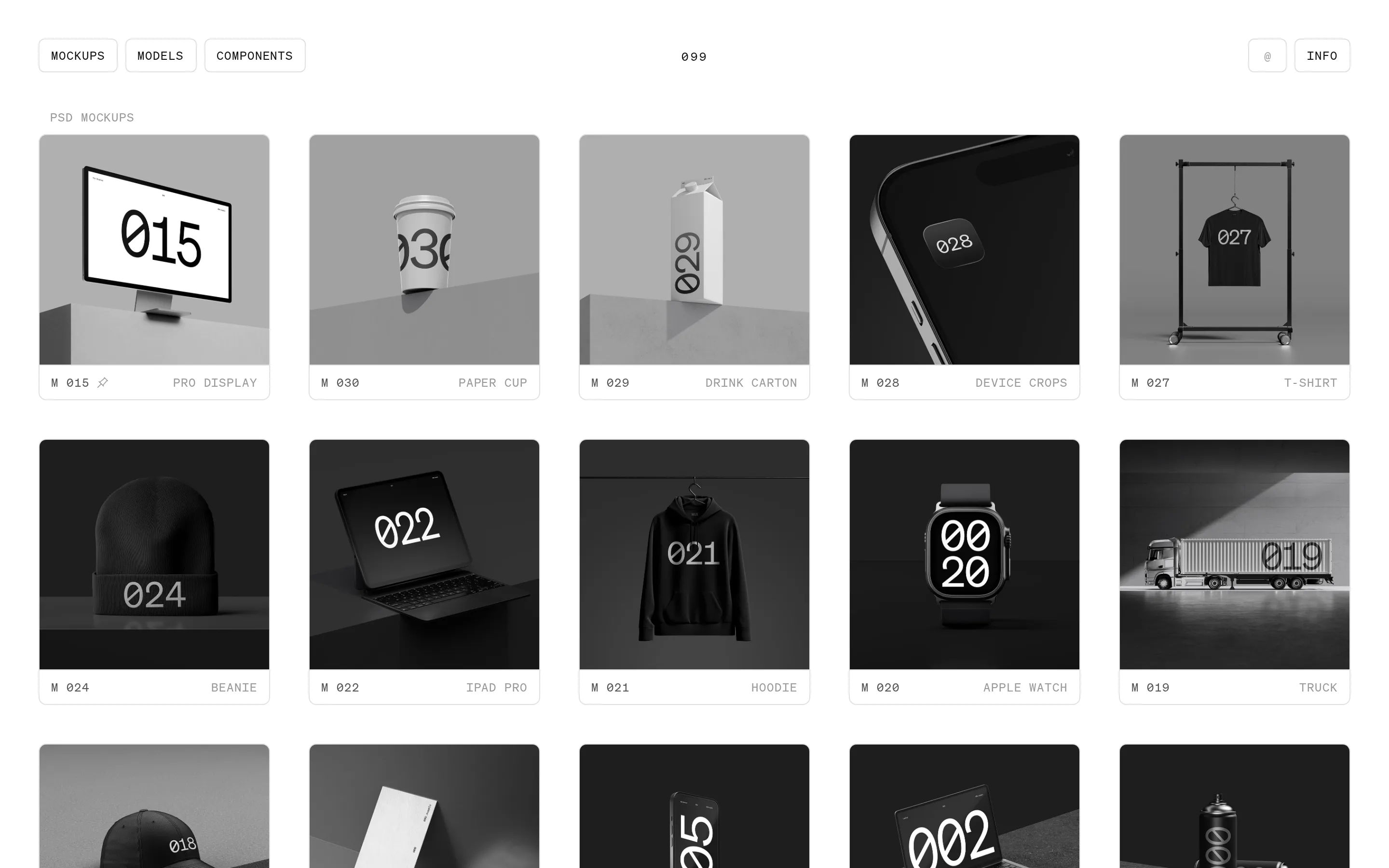
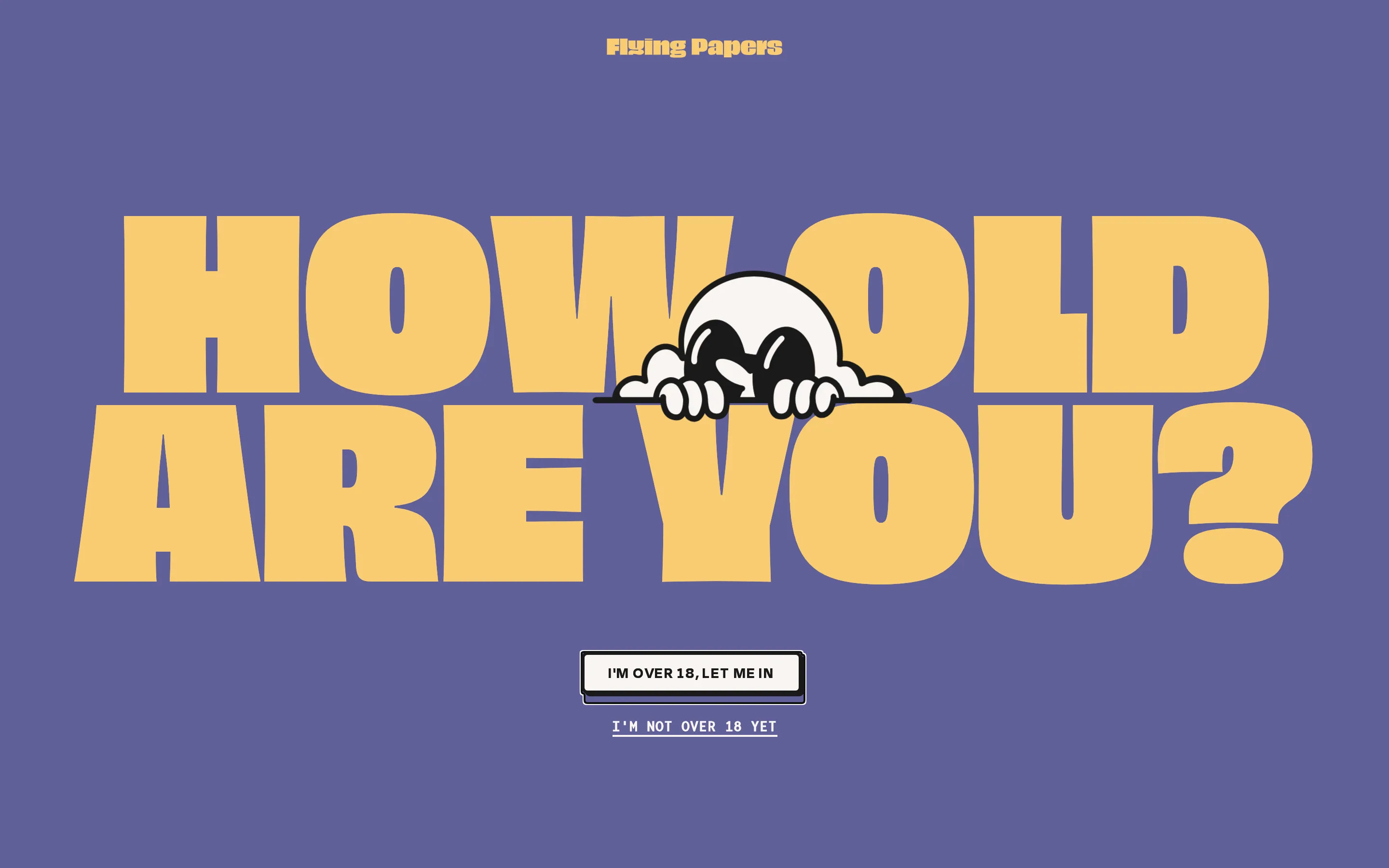
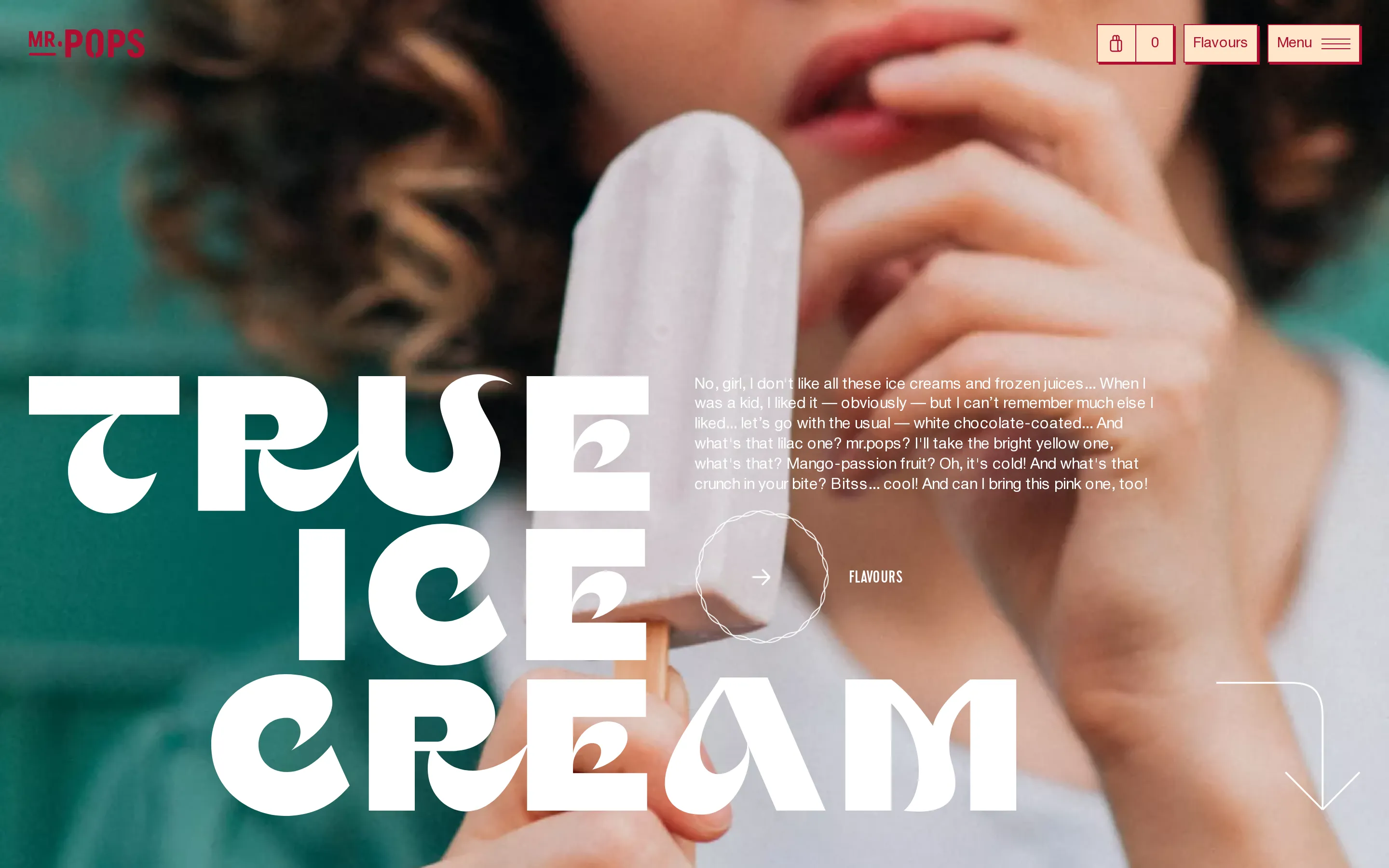
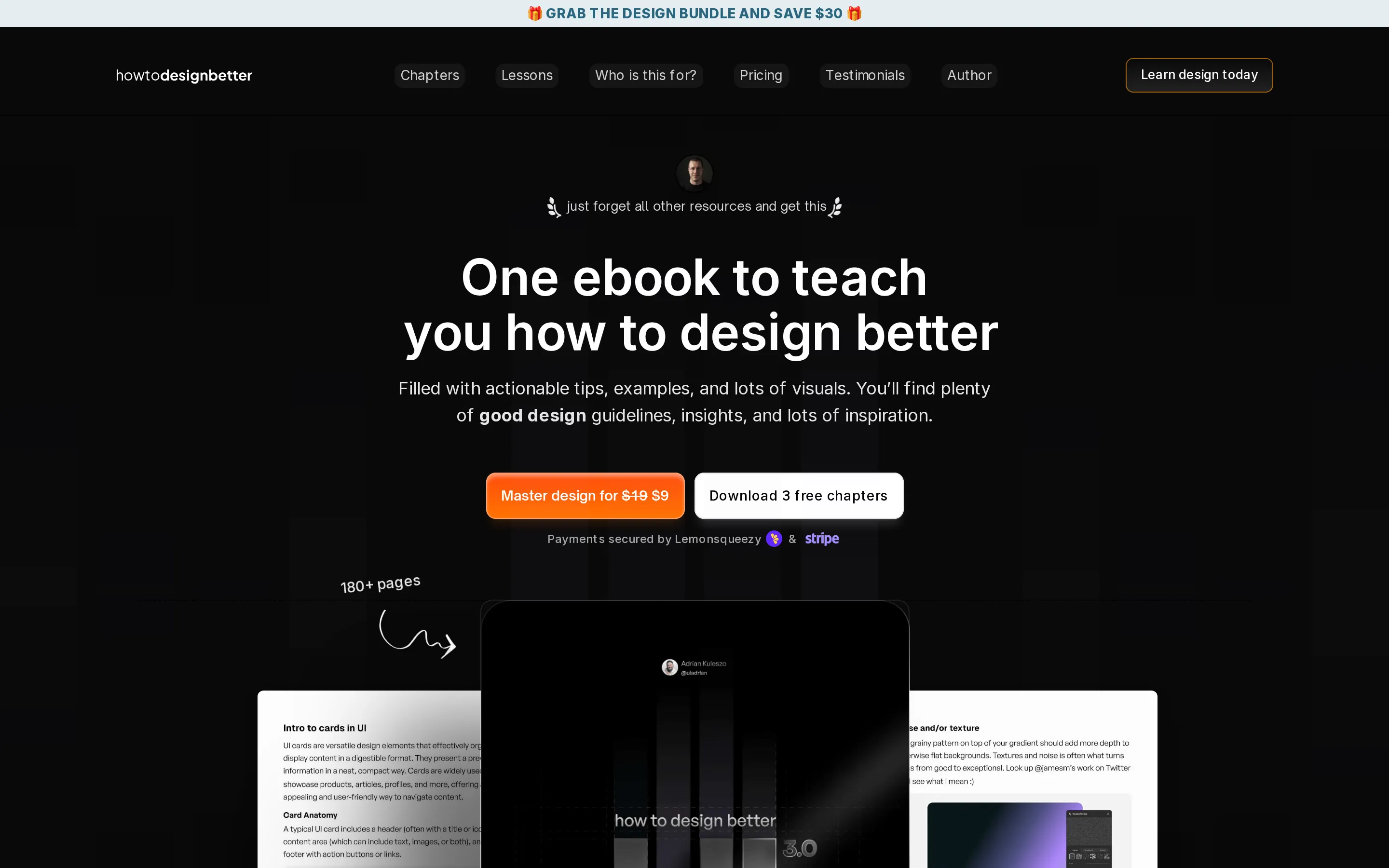
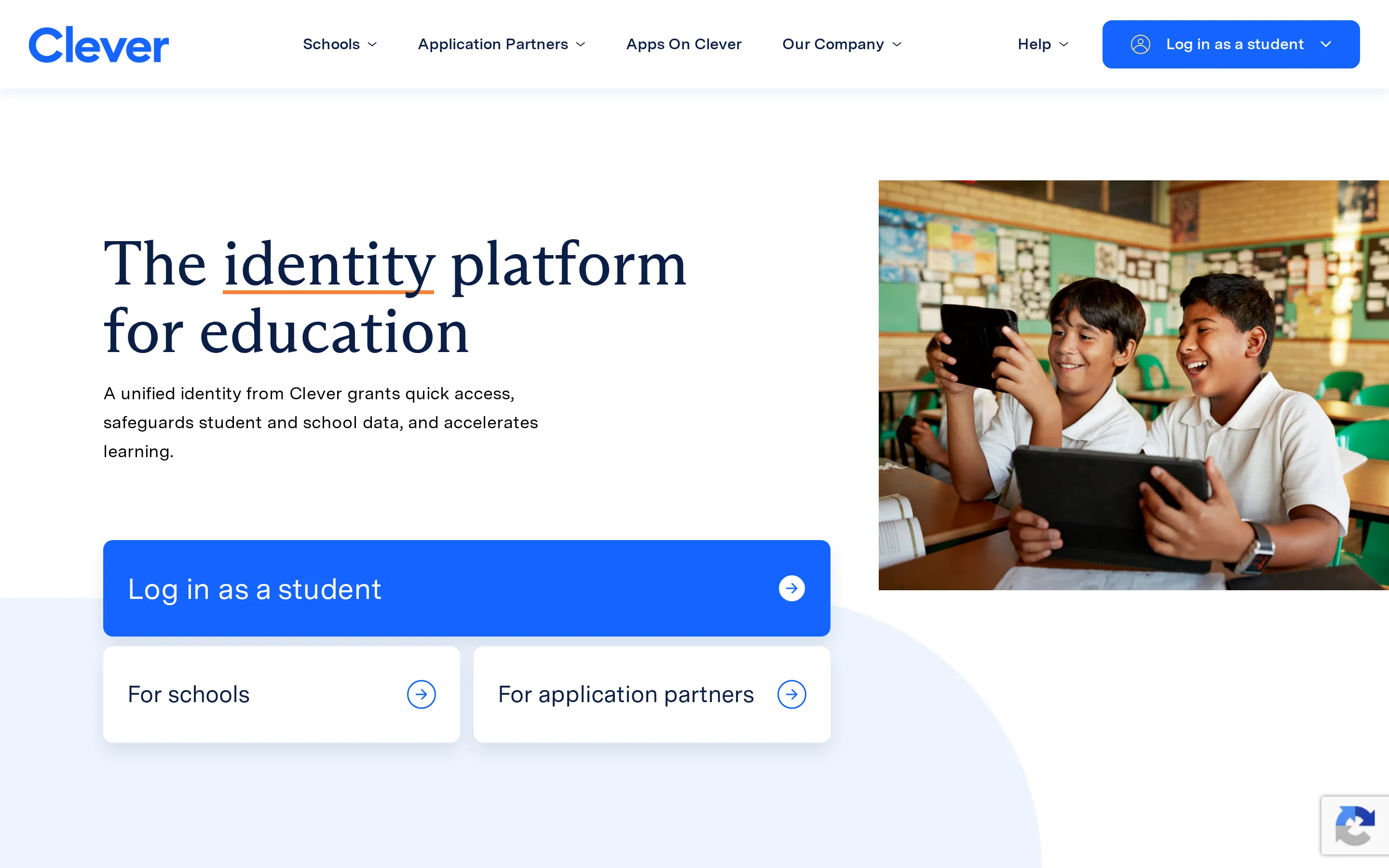
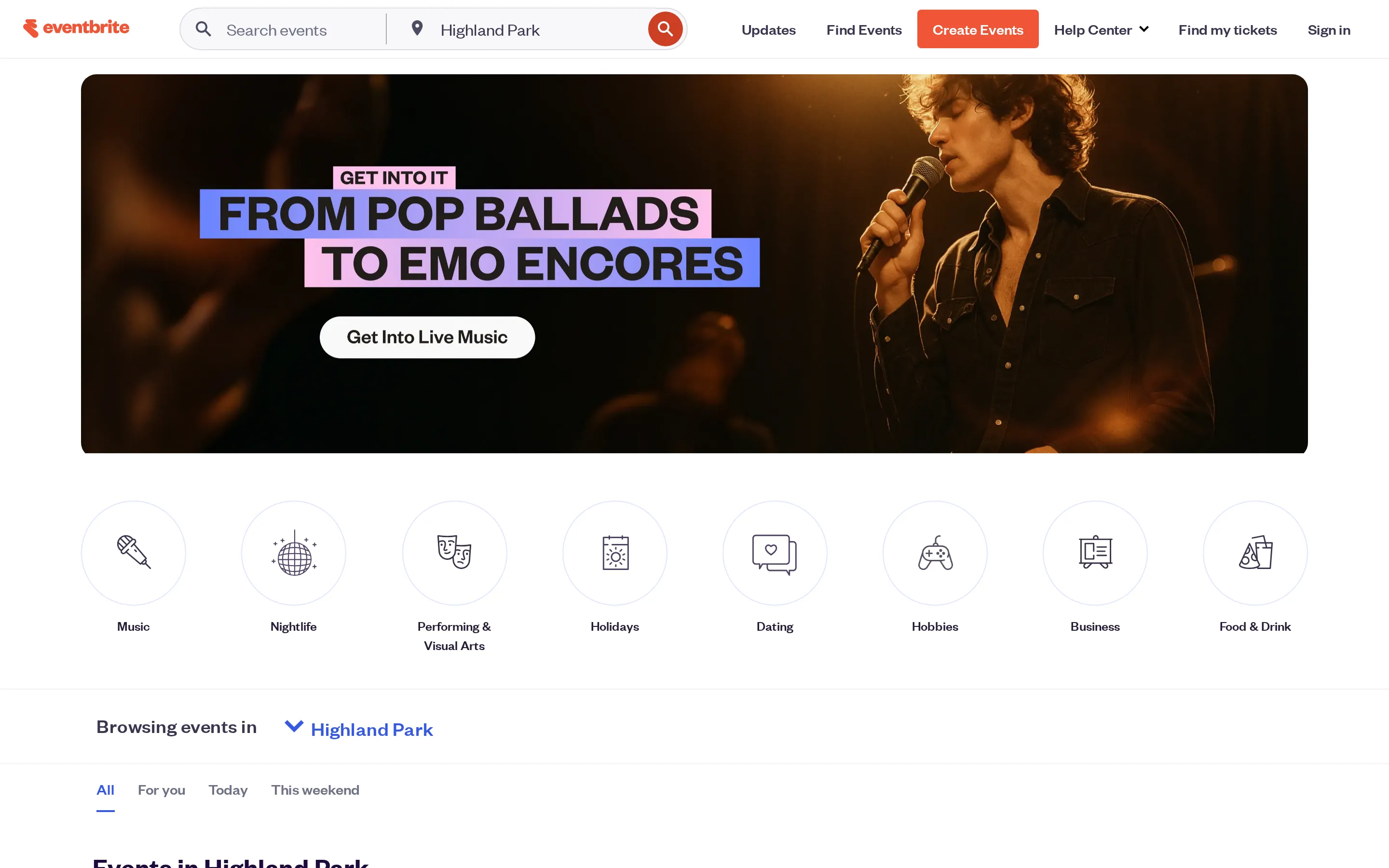
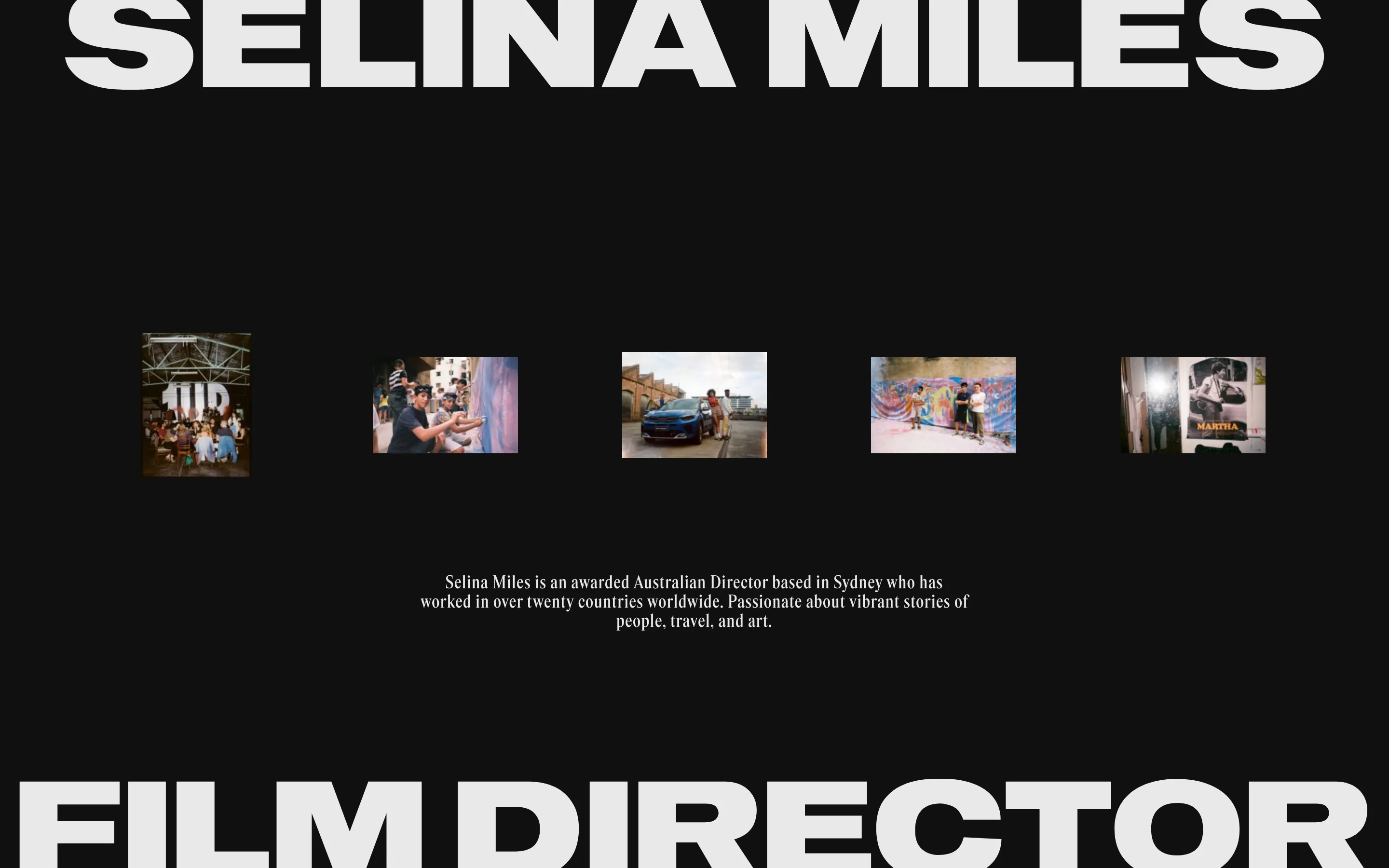
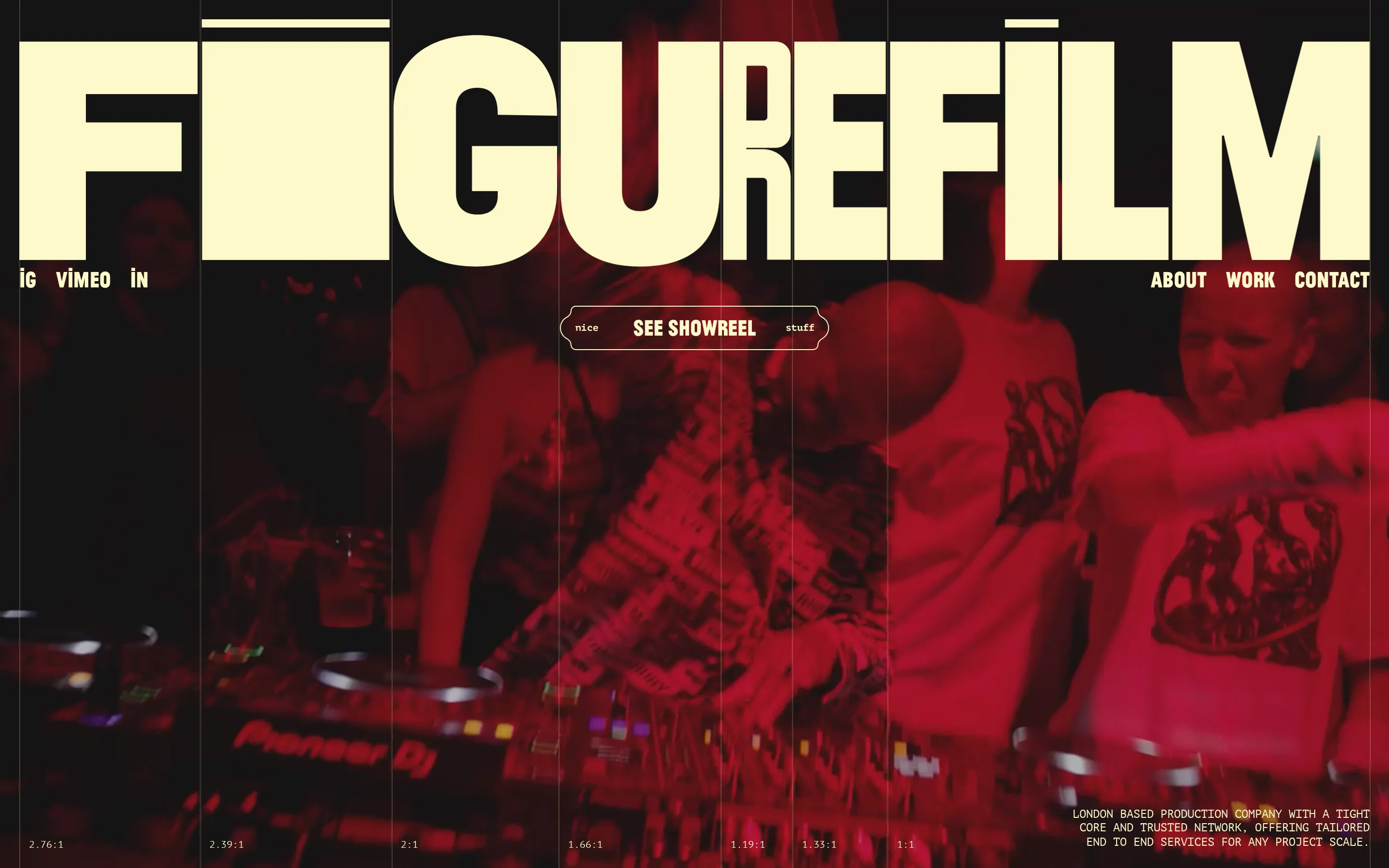
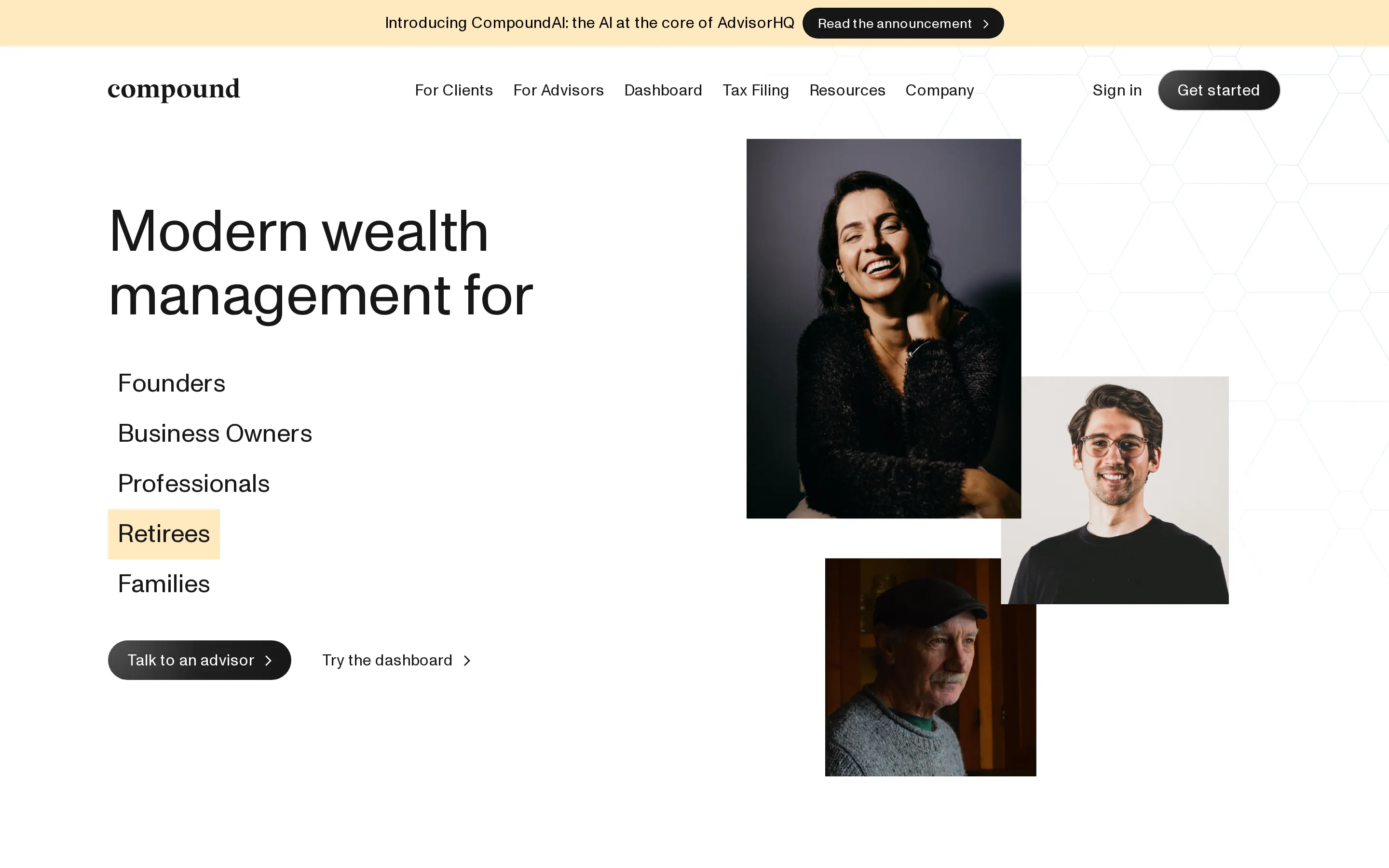
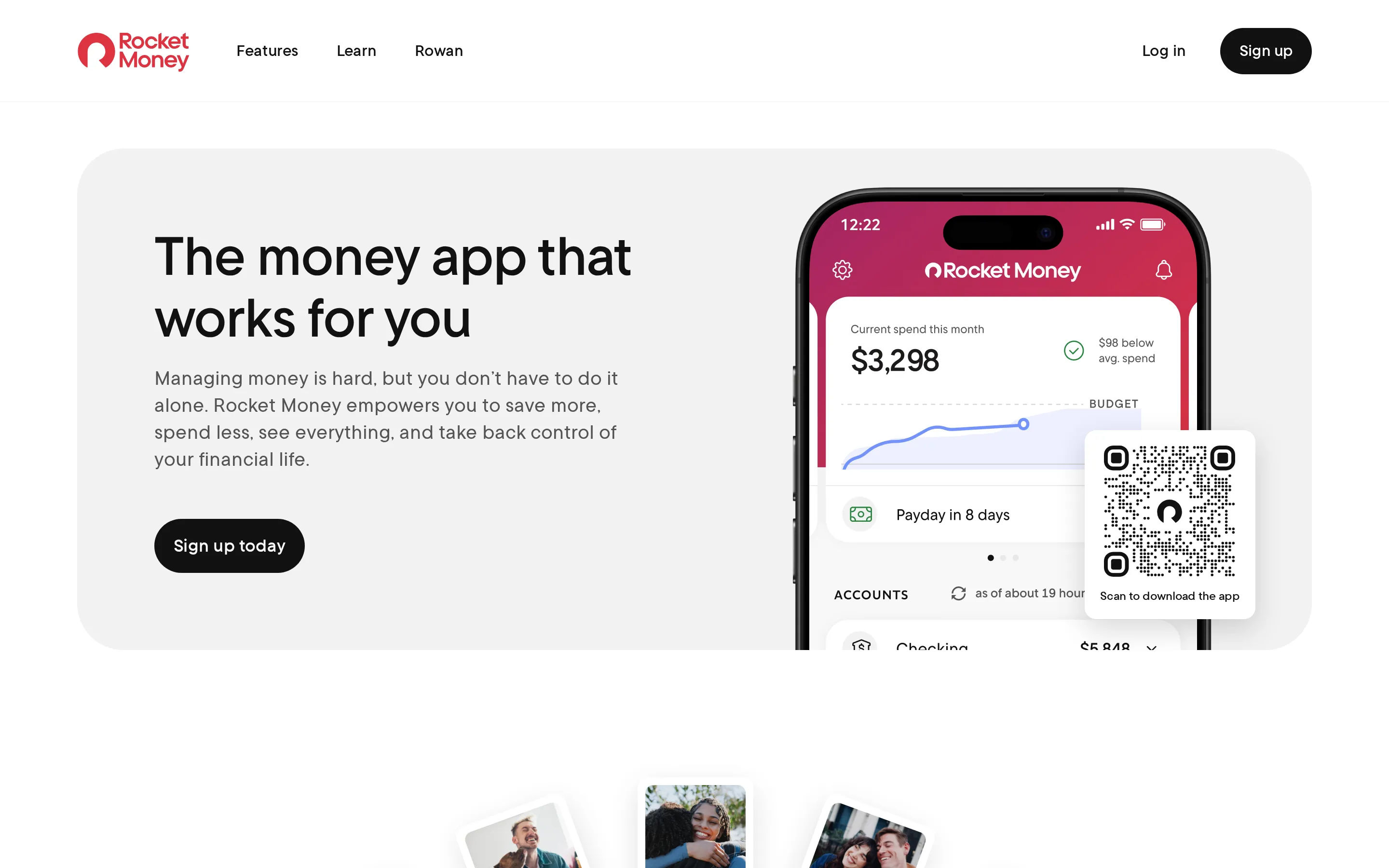
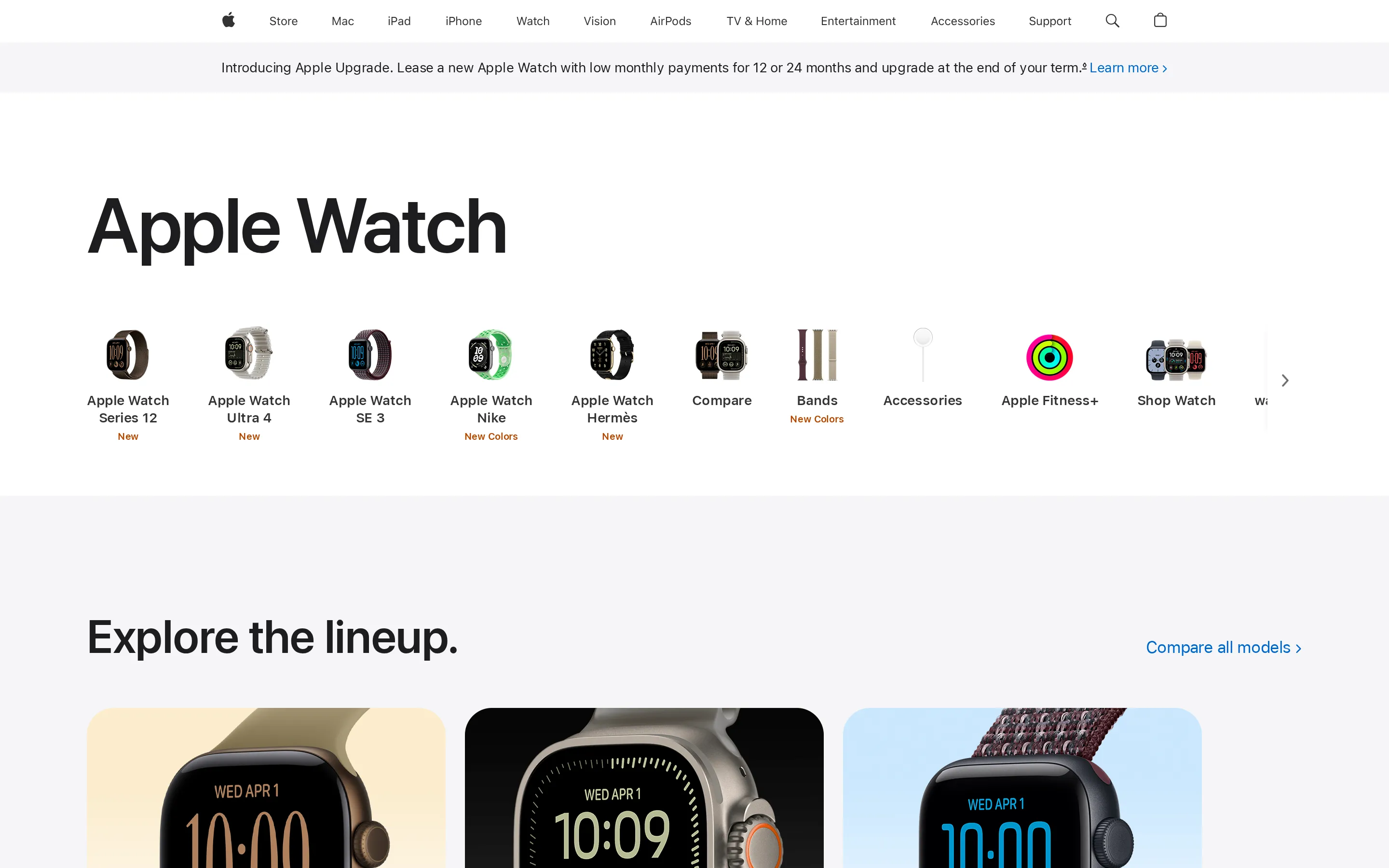
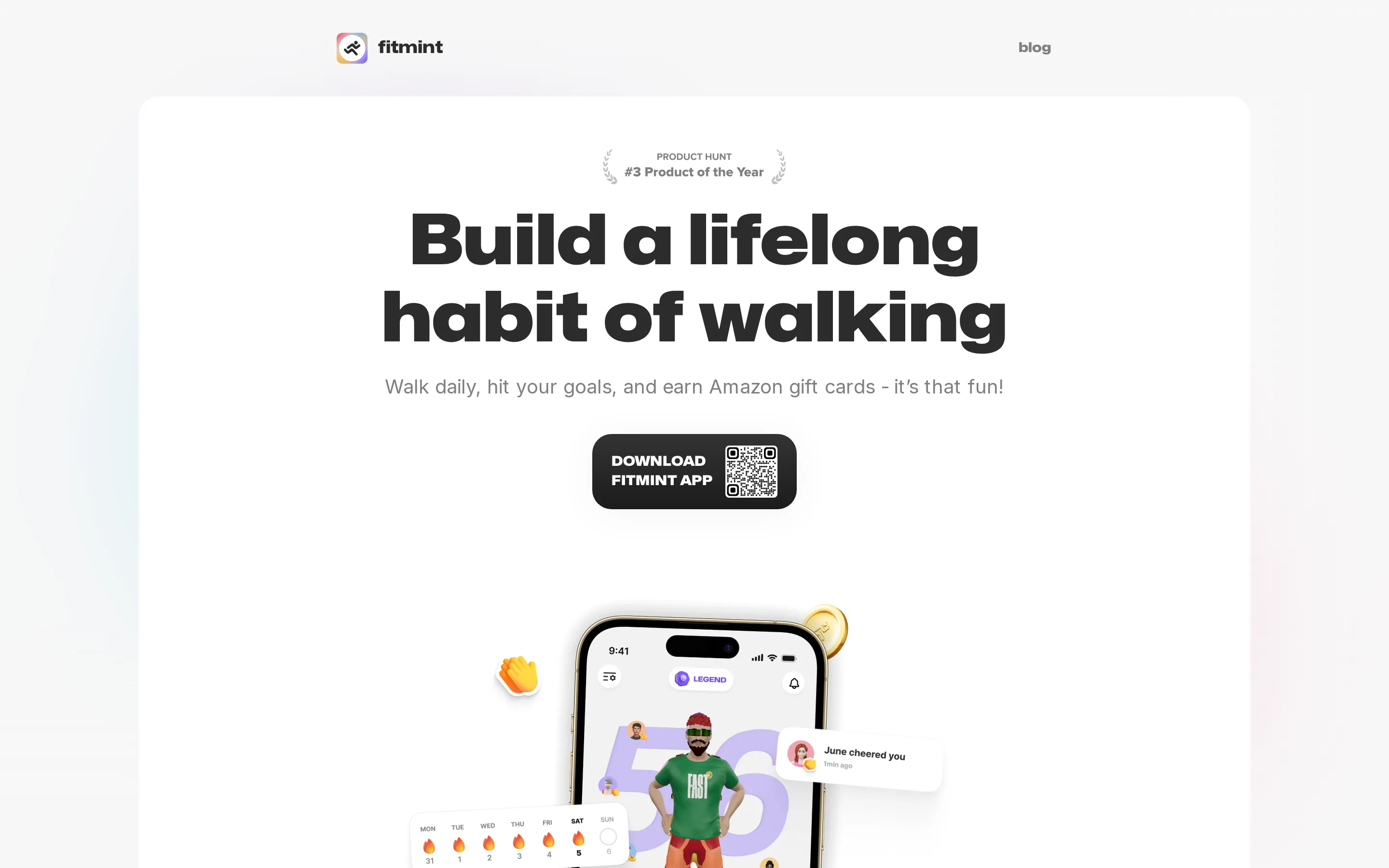
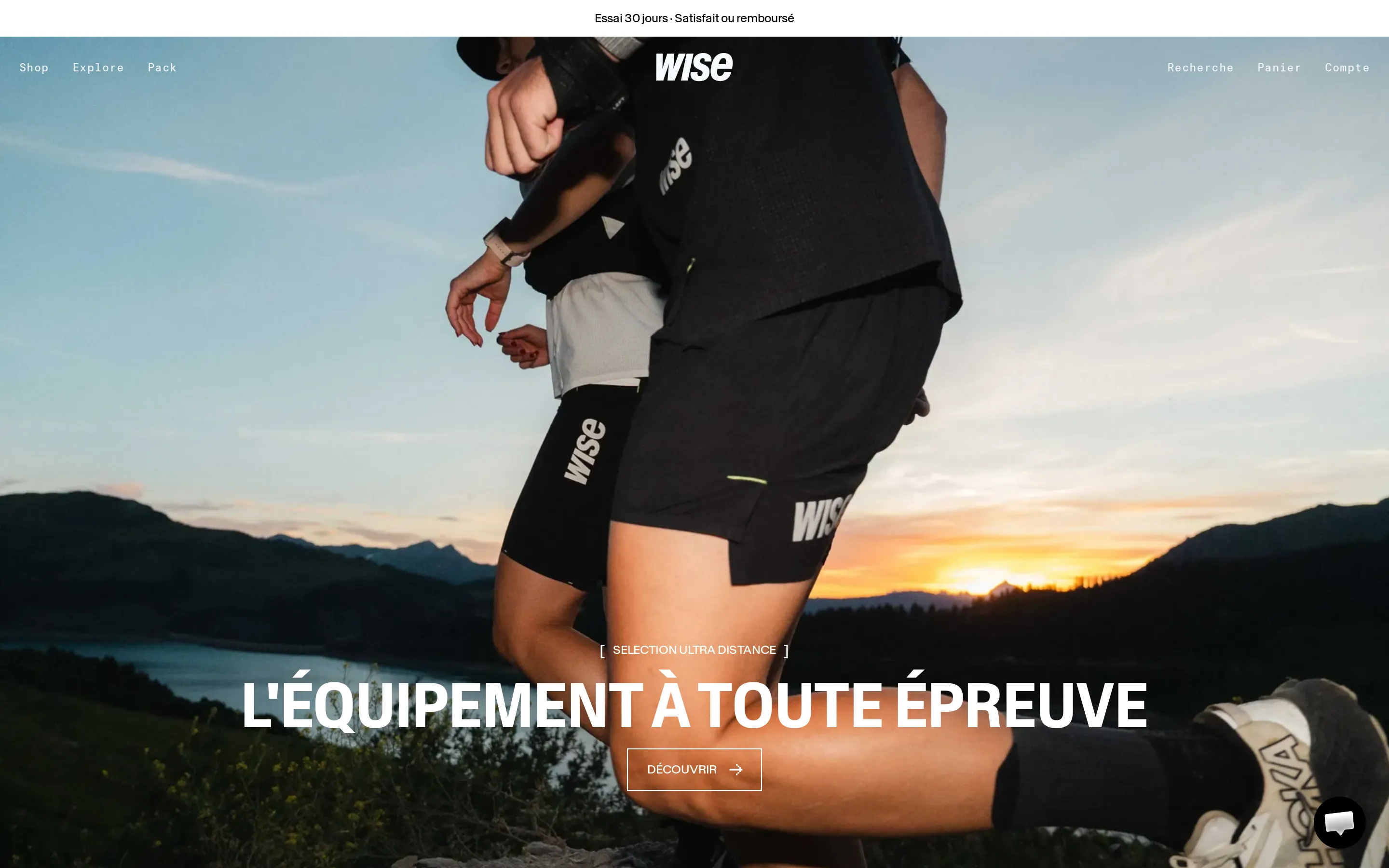
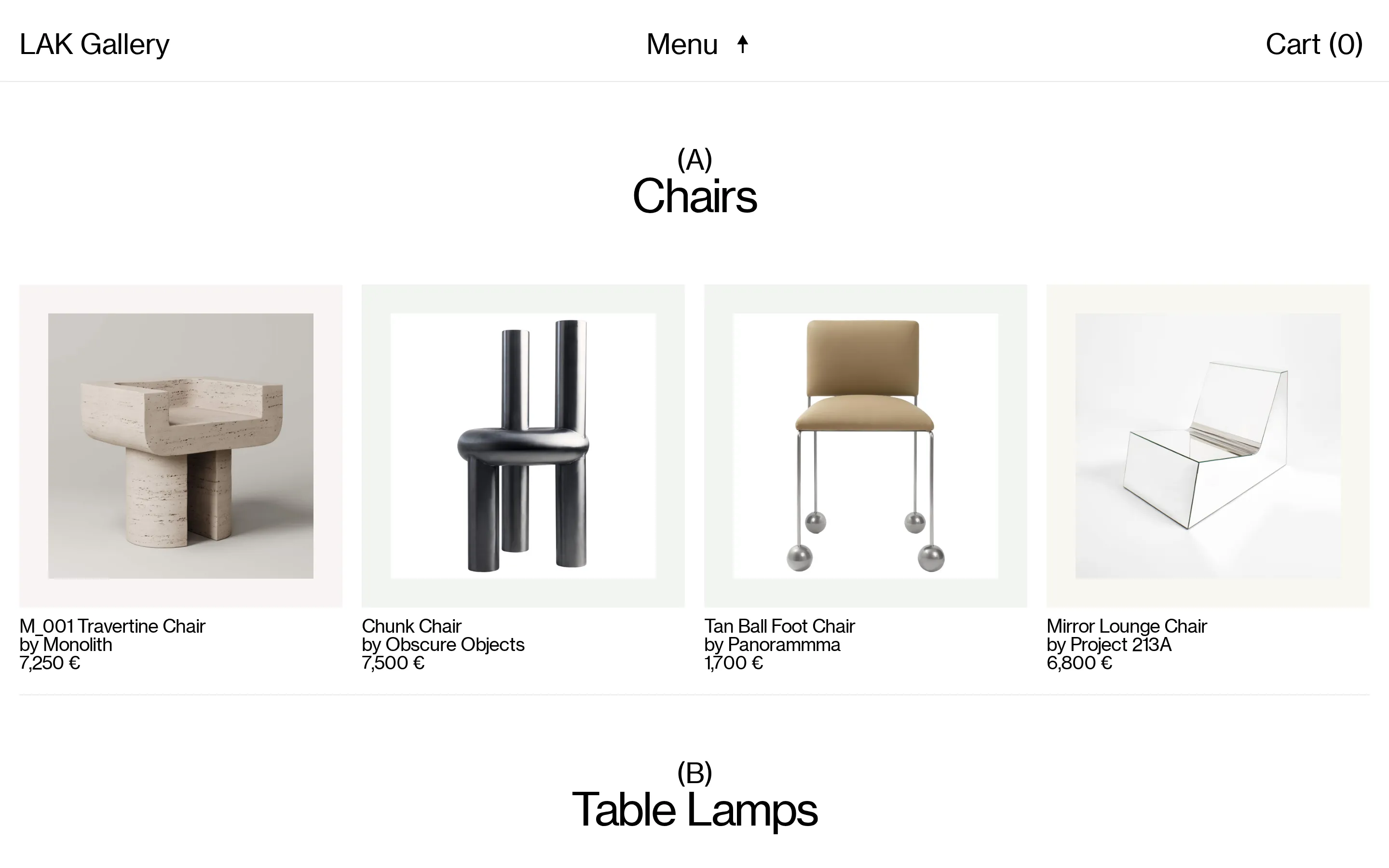
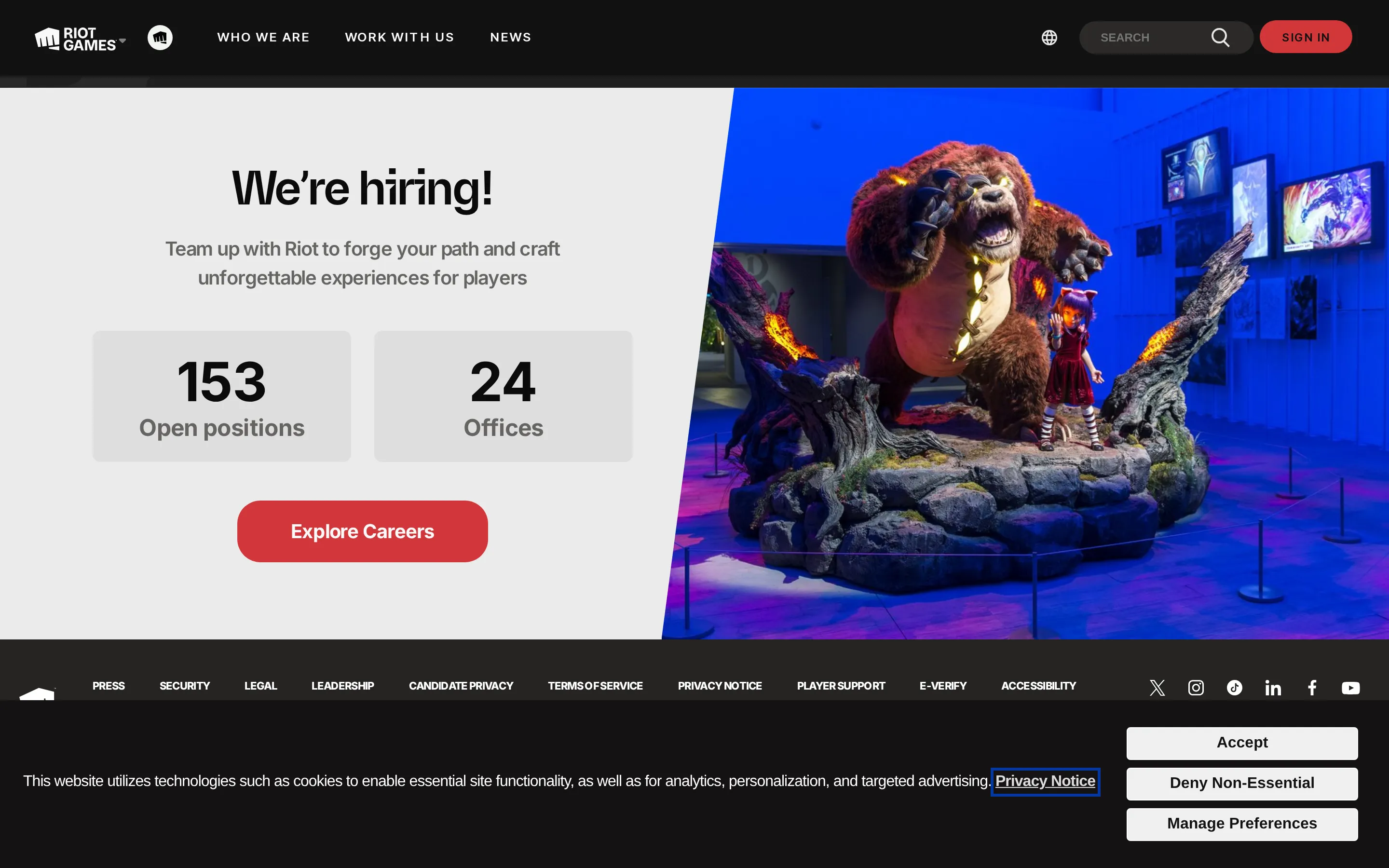
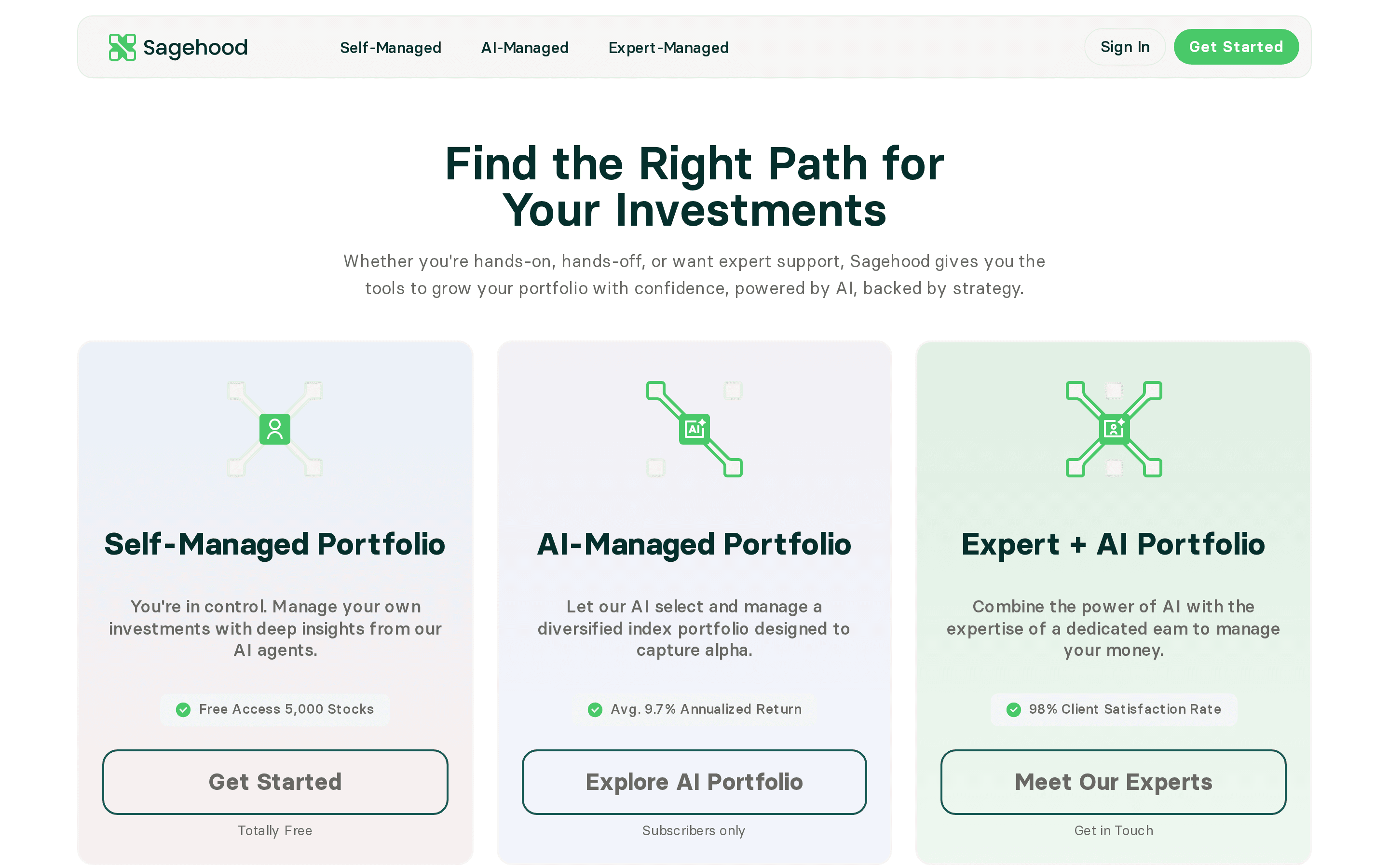
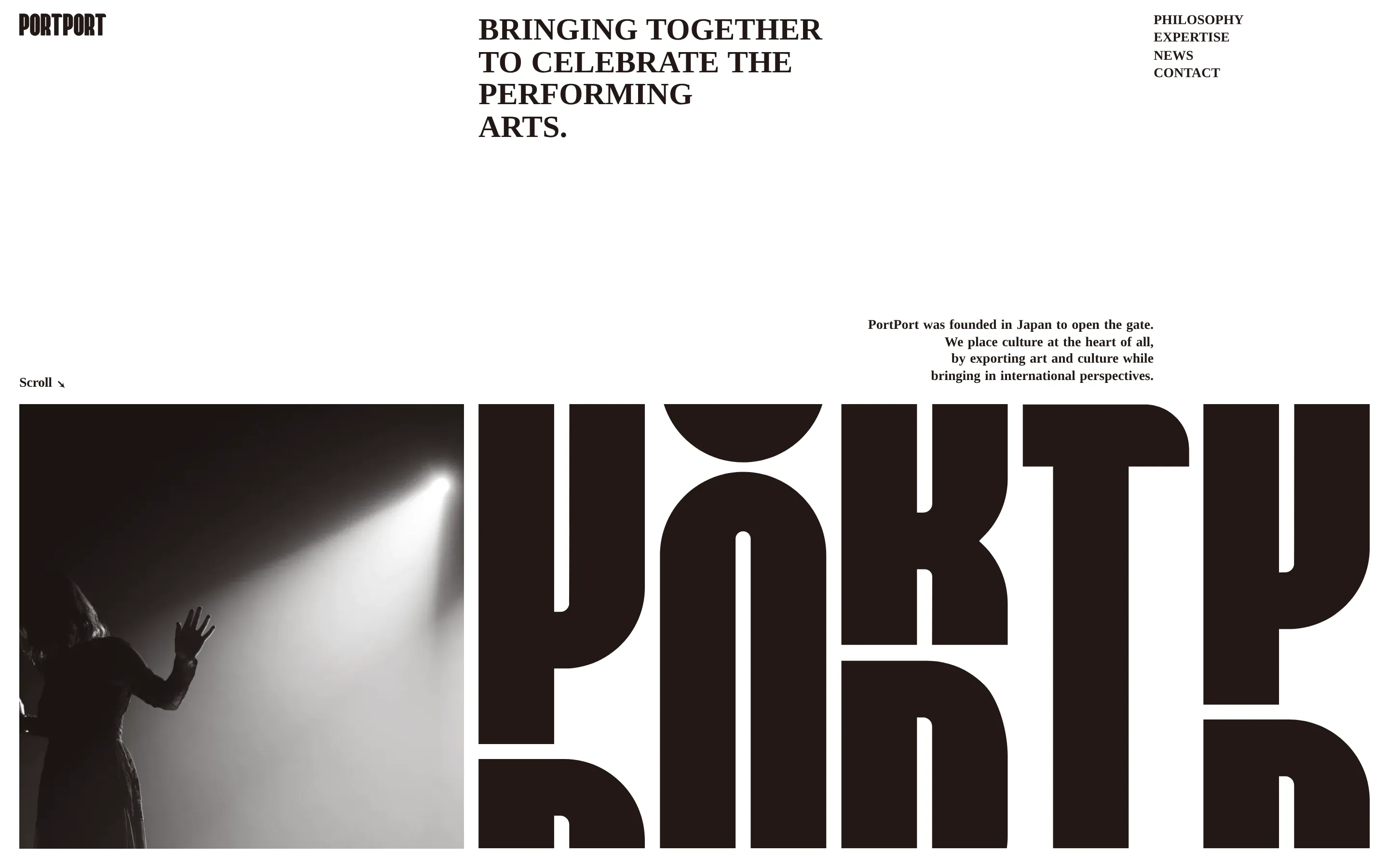
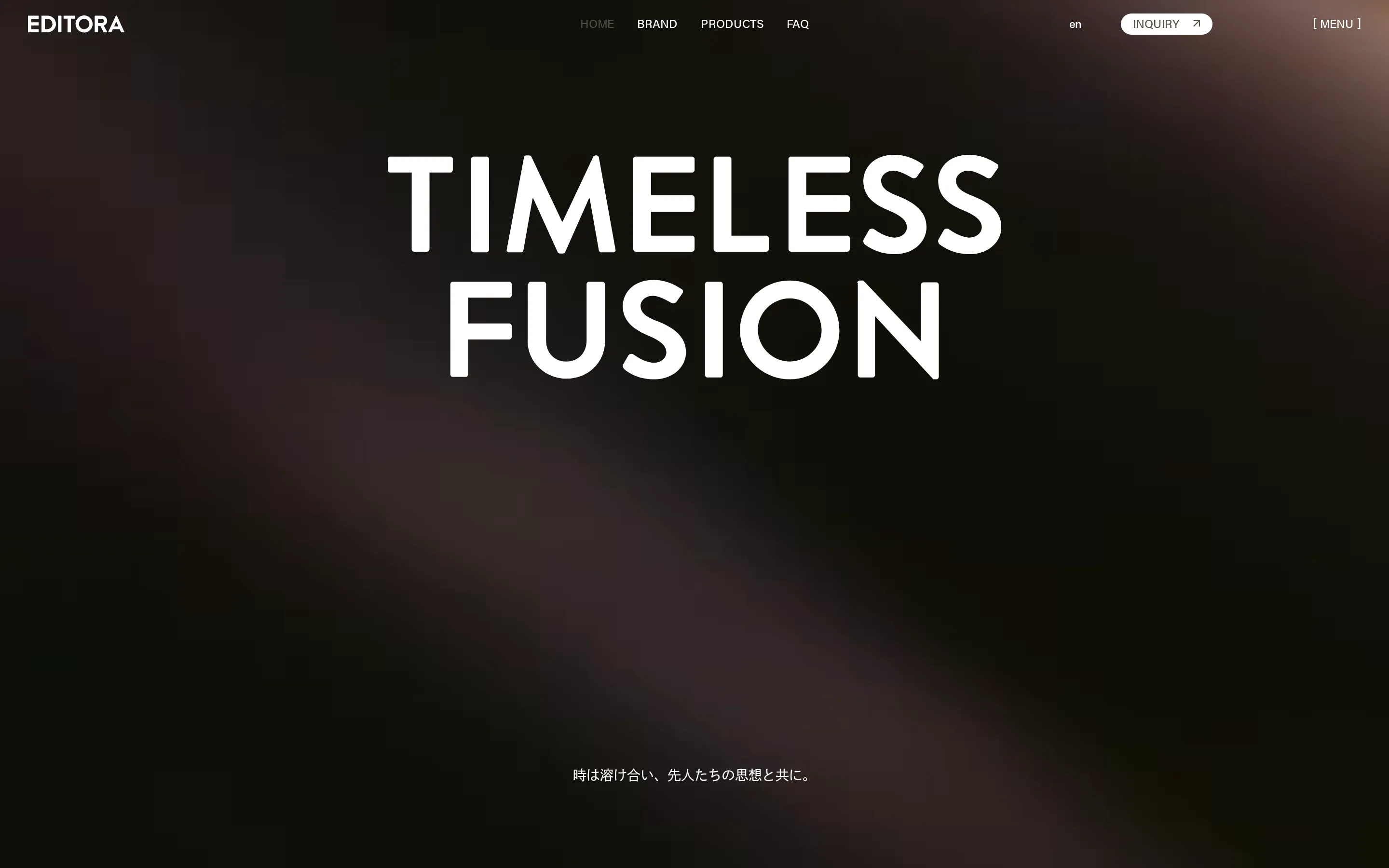
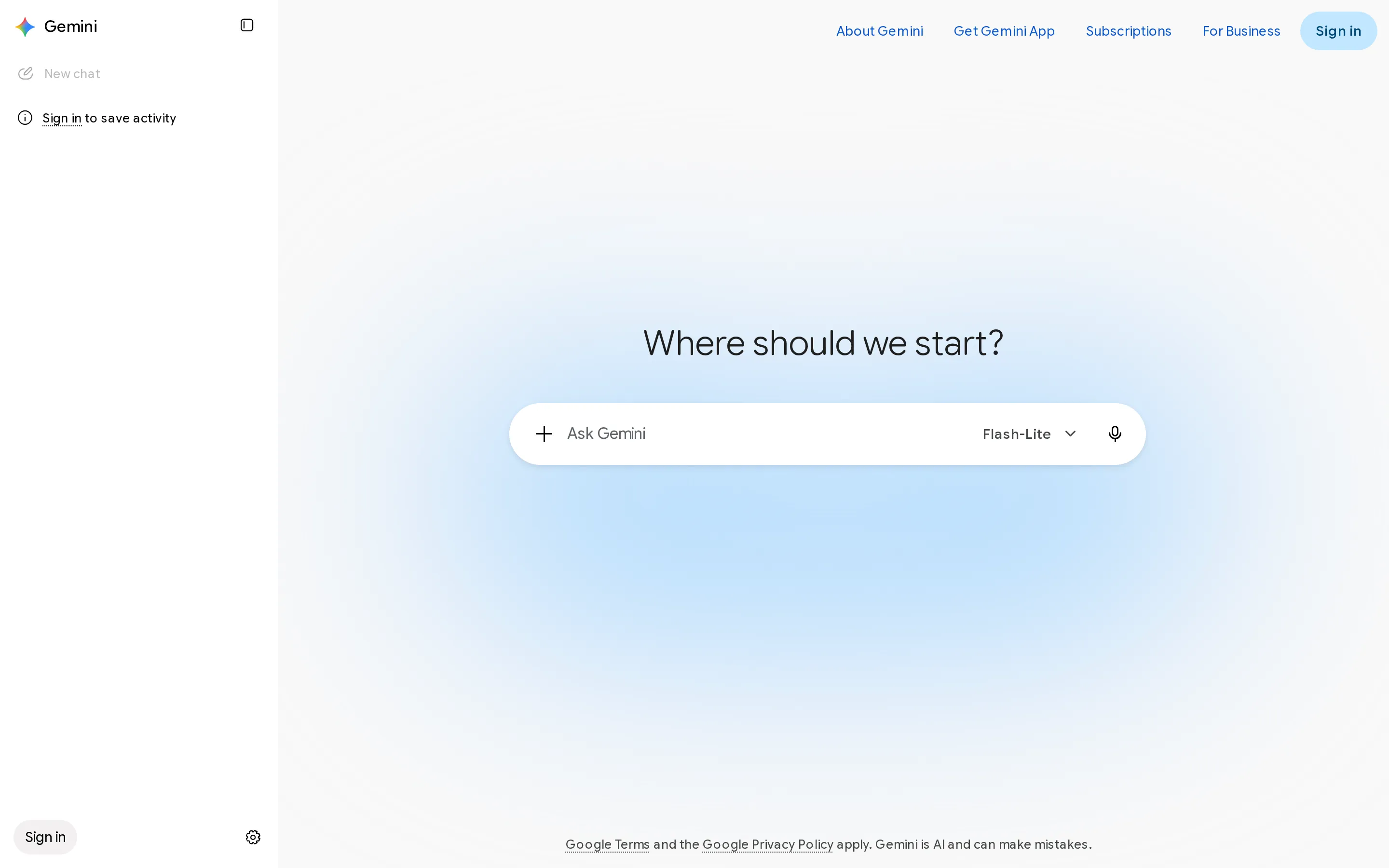
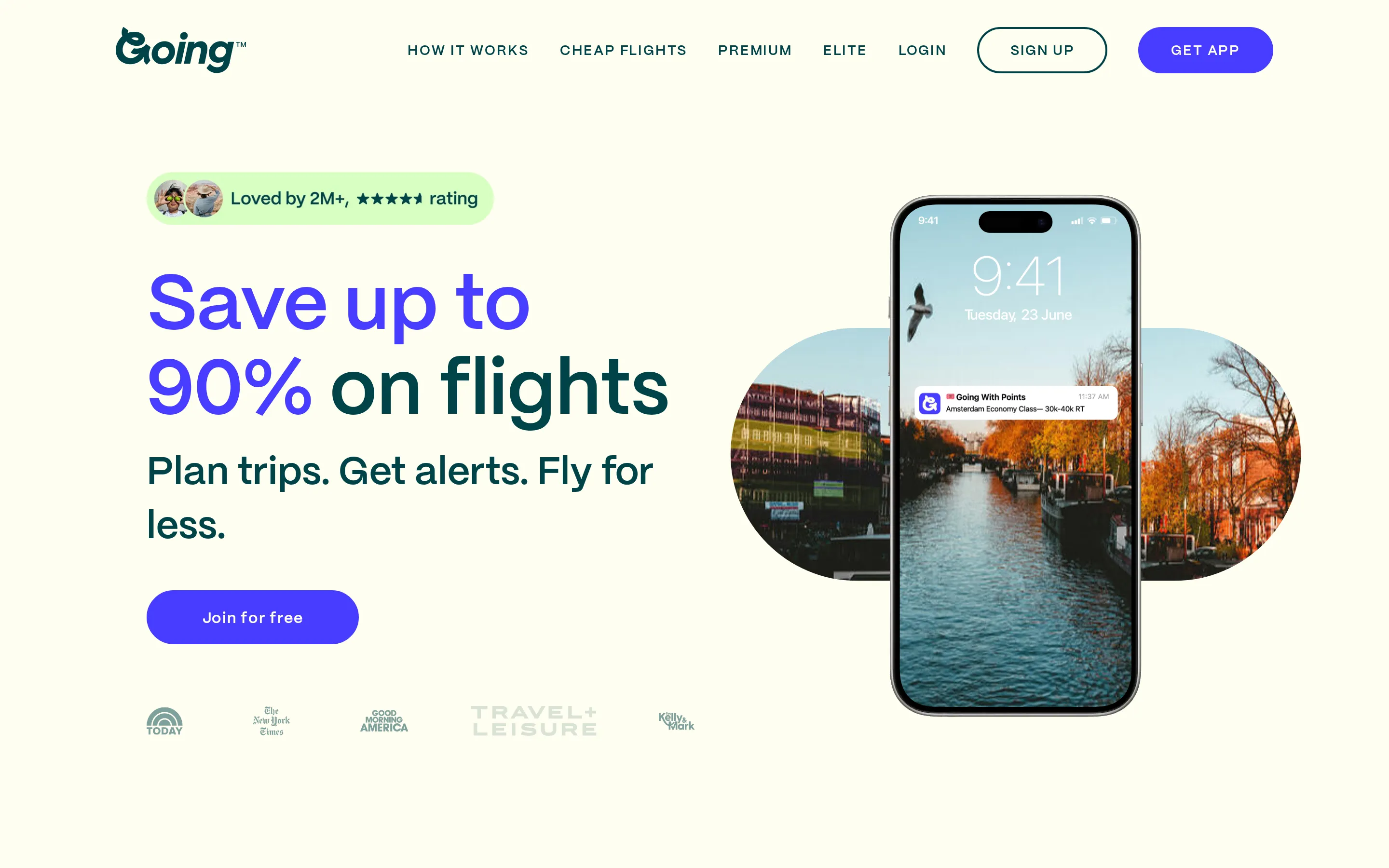
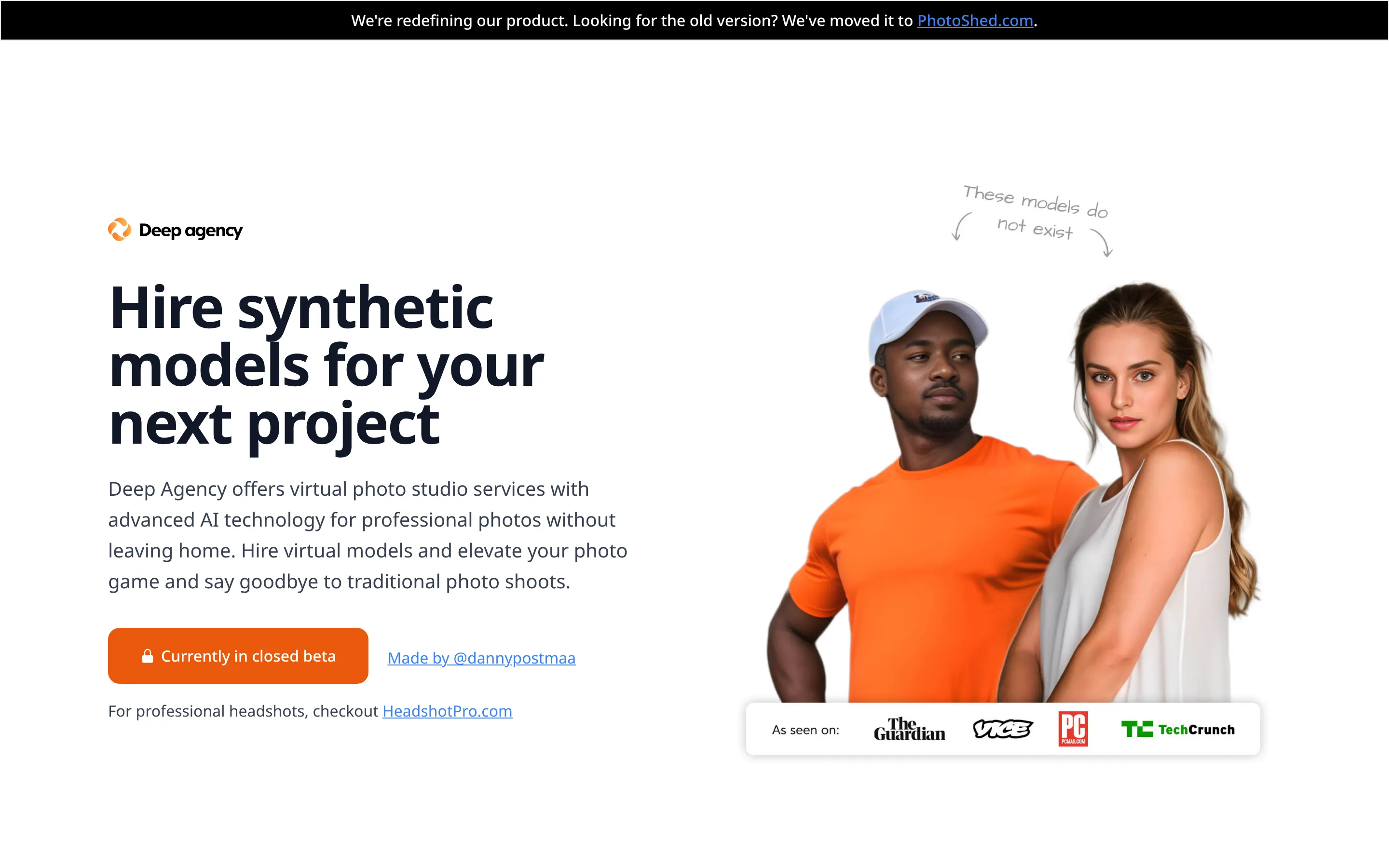
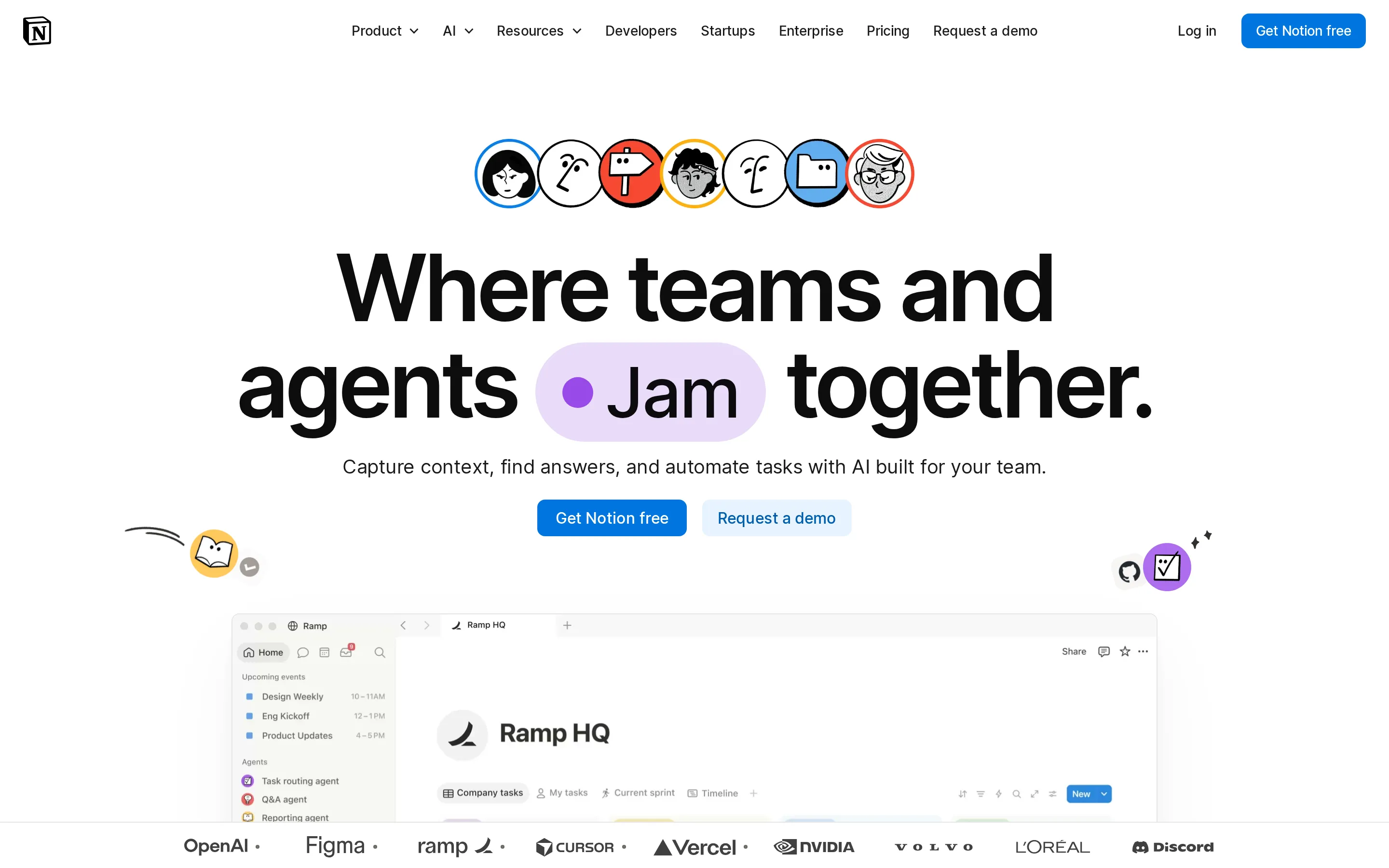
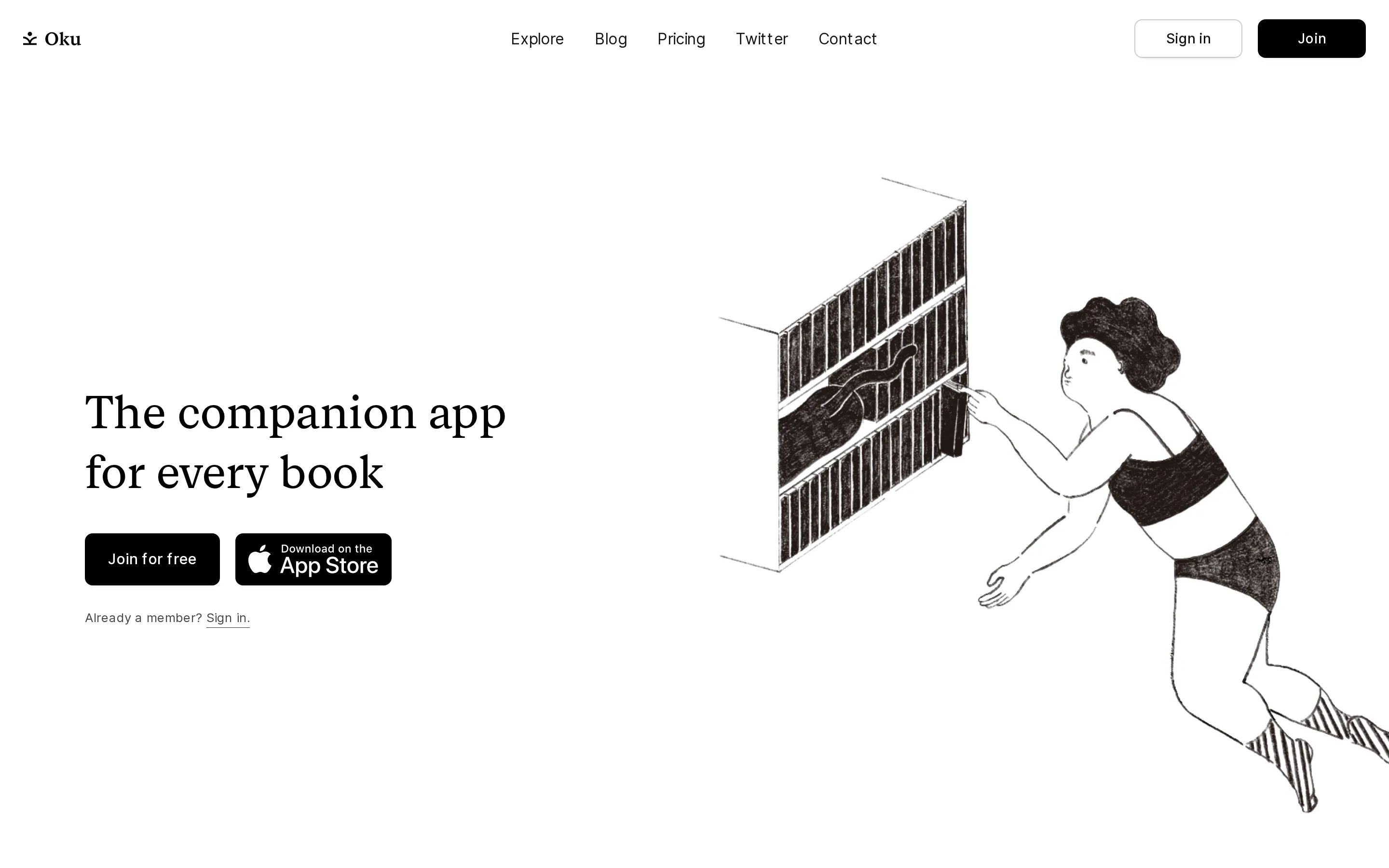
Software, AI and development sites often explain what users can build or operate. Finance and health anchor the promise in a recognizable domain. Agencies, portfolios and architecture establish identity through practice and work, while commerce and fashion foreground what is available now. The useful benchmark is therefore not one universal headline formula, but whether the first screen makes the category-specific value legible.
Recent edits sharpen positioning before they change the action
Among 3,793 websites with a previous comparable capture, 863 changed at least one clean hero field. Descriptions changed on 598 sites and headlines on 577, compared with 285 CTA changes. Across the reviewed category summaries, the clearest examples make the audience, use case, product role or offer more explicit. This is a direction within edited sites, not a claim that every category is moving together.
Action emphasis is shared; visual identity is not
Filled buttons are the leading captured treatment in 42 of 48 category design profiles, and mixed radius systems lead in 28. Typography is much more fragmented, with leading fonts often appearing on only a small share of sites. Clear action hierarchy is a broad convention, while type, geometry, imagery and composition remain the stronger territory for category and brand distinction.
Research summary · 48 categories analyzed · 3,810 monitored websites · 60 confirmed redesigns, led by Technology, SaaS, AI, Startup. Categories overlap.